

Why Can't We Always Recycle Wind Turbine Blades? Here Are Some Potential Solutions
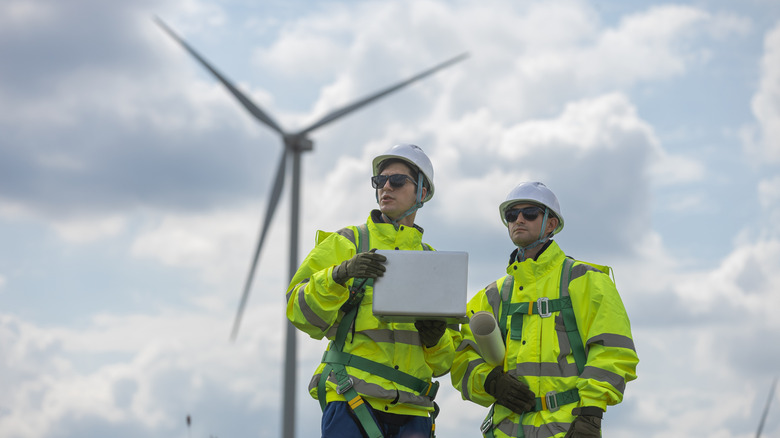
Wind is currently the most popular source of renewable energy in the United States and makes up over a quarter of the world's renewable electricity output. It's a crucial part of the clean energy transition, but the technology is not without its flaws. Among them are wind turbine blades, which are typically the only part that goes to a landfill once the turbine has reached the end of its lifespan. That's because they're partly made of fiberglass, a material that's difficult and expensive to recycle.
Currently, there are three methods for recycling decommissioned blades, the main ones being mechanical recycling and thermal recycling. These involve shaving down or burning them to create raw fiberglass material that can be repurposed by manufacturers. Thermally recycled fiberglass is particularly useful for making concrete, reducing the carbon footprint of the process by 16%.
There's also chemical fiberglass recycling, which chemically dissolves the material to recover fibers. While promising, this method is fairly new and likely needs further development to improve cost and safety before it can be widely used. Finding new ways to break down and reuse fiberglass is great, but it currently represents a small portion of defunct blades. Fortunately, scientists and researchers are addressing the problems alongside other disadvantages currently associated with wind energy.
Making wind turbine blades from materials besides fiberglass
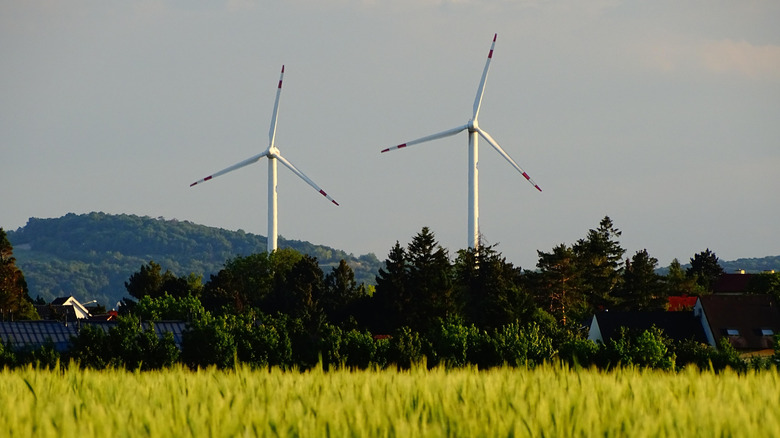
Some technology companies are aiming to change what materials are used to build wind turbines to make blades that are more environmentally friendly and recyclable. German startup Voodin Blade Technology and its partners announced the VB1F project, an effort to build a factory that can produce wind turbine blades out of wood, more specifically, laminated veneer lumber. The composite material binds layers of thin wood to create incredibly strong timber, which is fully biodegradable. Voodin also claims these wooden blades are easier to build than traditional ones
VB1F received a €48.18 million (~$55 million) grant to build its factory from the European Union's Innovation Fund, a program that funds projects that help Europe reach net-zero carbon emissions. The project started in April 2026 and is expected to take 117 months (just under 10 years). According to Voodin's timeline, the factory should commence operations in 2031 and will be able to produce around 160 blades each year.
Another ongoing effort to address fiberglass waste comes from the Rhode Island Marine Trade Association, whose Fiberglass Vessel Recycling Program is designed to reduce pollution from aging, damaged, or otherwise abandoned boats with fiberglass hulls. The initiative looks to expand a pilot program that recycled 60 tons of fiberglass with the goal of bringing down recycling costs enough to make it a viable alternative to sending it to a landfill. If successful that would no doubt help recycle additional fiberglass