

Google Home's September Update Fixes Battery Drain And 3 Other Issues
Google Home is one of most popular smart home ecosystems, because it's compatible with tens of thousands of products, including some worthwhile Google smart home gadgets that make it easy to automate, secure, and monitor your home. But there have been some issues with the system that needed to be addressed, so on September 16, 2026, Google released an important update. This update included new features, but it also brought with it bug fixes and improvements for four key issues.
For most users, the update's most significant fix addresses the Google Home app's battery drain issue. Now, widgets in the Google Home app will pause background updates and polling when your phone screen is dark, locked, or displaying a screensaver. That's meant to both conserve battery life and refresh your widgets once you open your phone.
That's not the only fix in Google Home's September 16 update, though. There are a variety of smaller changes, which can be broken up into three categories: Home app crash and UI improvements, Google Gemini fixes, and Home app camera improvements. It also introduces a new feature called Google Home MCP that further incorporates AI tools into the platform.
What Google Home's September Update fixes and adds
Continuing with the Google Home app, the rest of the changes are smaller. If you have multiple accounts you use with Home, the update makes it easier to switch between them. It also fixes a start-up crash, makes UI improvements, eliminates stalls when pairing a new device, and improves smoke and carbon monoxide alarm notifications.
As for Gemini, smoothing out some of the voice assistant's unnecessary follow-ups, awkwardness, and self-disruption aren't the only improvements. The update fixes a couple of streaming and broadcasting issues, so Gemini should no longer have issues launching TV streaming apps, finding personal playlists, and broadcasting throughout your home.
Finally, the update makes a couple of improvements for both Android and iOS users. If you're on Android, watching camera live stream tiles and scrolling through video timelines should be smoother. On iOS, the update resolves an issue where the Live button wouldn't work when watching a recorded event.
Google's latest update adds more AI to Home
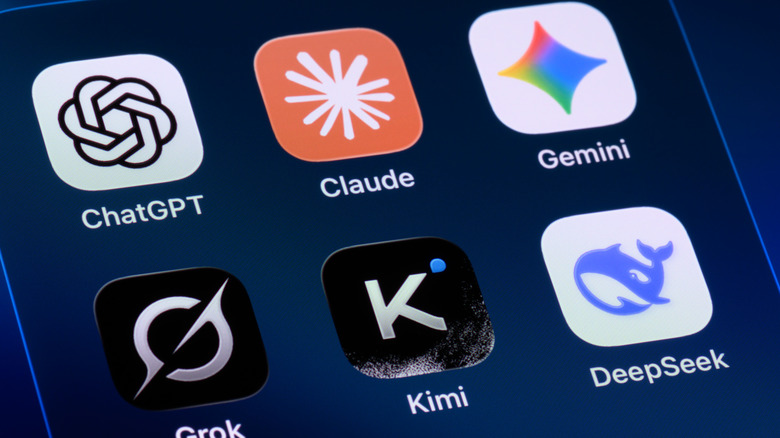
Google Home MCP, which stands for Model Context Protocol, allows AI agents like Claude, OpenClaw, and Google's own Antigravity to interact with your smart home devices like security cameras, doorbells, and lights so they can analyze their data and answer questions. The announcement gives a couple of examples of how testers used the new feature such as asking what the kids did after school or how many loads of laundry were done in a week. It's currently only available to Google Home Premium Advanced users, and it's unknown if or when access will expand.
Google promises that privacy and security are at the core of Home MCP, barring AI agents from actions like unlocking doors. Still, the idea of handing near-total access to your home over to an AI model comes with obvious concerns about how private and safe your home can really be. It's also worth noting that this is rolling out amid a rise in AI loss on control incidents where the AI models will lie, ignore user instructions, or carry out unwanted tasks, sometimes to the harm of others.
While it's an optional feature that requires users to set it up and grant permissions, Home MCP comes with serious risks. Google even acknowledges that connecting an AI agent "can result in unexpected or even undesired behavior," so it's worth thinking long and hard about the feature before deciding to opt in.