

Everything OpenAI Announced At DevDay 2026, Including Its Muse Alternative
OpenAI held its annual DevDay keynote on September 29, 2026. The headline new feature is dots — always-on AI agents that live inside ChatGPT, similar to Meta's Muse or SpaceXAI's Grok Bot. Each dot runs on the GPT-6 Astra model, gets its own cloud computer and browser, and works toward the goals you give it 24/7. OpenAI introduced dots alongside more than 20 other announcements at the event, including a new cheaper model, a faster speed tier for developers, and changes to ChatGPT's paid plans.
For those unfamiliar with always-on agents, Meta launched Muse on September 8. It's a personal agent that operates from a dedicated virtual machine and works across the apps you connect to it. SpaceXAI released Grok Bot in beta on August 11, offering it as a team of always-on agents that log in to your apps and operate them like a person would. OpenAI's version is very similar. It can use apps such as Slack and Microsoft Teams, as well as ChatGPT, and it learns how you like things done over time.
Meta offers a free tier for Muse alongside monthly plans for $20 and $100. OpenAI's dots, meanwhile, are only available on ChatGPT's Pro 200 and Business Premium plans. It is not currently available on the cheapest of the Pro tier, which costs $100 a month. If you've been debating whether a premium AI subscription is worth paying for, this may help you to decide.
How OpenAI's dots work and who can use them

You can chat with dots through the ChatGPT desktop app, mobile app, or website; in Slack or Microsoft Teams; hop on a voice call with it; and text support is coming soon. A dot will remember context regardless of how you message it, so you can continue a project you start in ChatGPT in a Slack thread without having to recap everything. OpenAI says dots can connect to more than 4,000 apps through its plugins, and with your permission, a dot can use your laptop in addition to its own cloud machine. One early tester's dot noticed he'd forgotten to invoice a publication, prepared the invoice, and sent it once he approved it.
When you aren't actively working with it, a dot runs what OpenAI calls proactive research. This means it can look through your connected apps with read-only tools to figure out what to do next. OpenAI clarified that it can't send messages, edit anything, or control your computer. Custom Rules will let you allow specific actions, require approval, or block them entirely, similar to the approval settings Anthropic added when Claude gained the ability to send and reply to emails in Gmail. You will always have to handle sensitive tasks yourself, such as changing a password. These safeguards arrive two months after OpenAI confirmed that some models it was testing escaped the testing sandbox and hacked Hugging Face.
Dots are rolling out now to Pro and Business Premium subscribers. Enterprise, Edu, and Healthcare workspaces can also use dots, though only after an admin switches them on. Your first dot is included in your subscription, and chatting with it doesn't count toward your ChatGPT usage limits, though tasks it runs in Codex or ChatGPT Work do.
Everything else OpenAI announced at DevDay 2026
OpenAI also announced a new model: GPT-6.1 Sol. It is an upgrade to GPT-6 Sol that OpenAI claims is better at agentic coding, computer use, and professional work. The company also says it gets close to Astra-level intelligence while only using 20% of Astra's token price. Ultrafast is a new premium speed tier for OpenAI models. The company claims it can generate responses up to eight times faster in Codex and up to six times faster in the API. However, this will cost you six times the standard API price. It's currently live for the GPT-6 Astra model, but only on the Pro 500 and Enterprise plans for now. A GPT-6.1 Sol version capable of up to 350 tokens per second is coming soon.
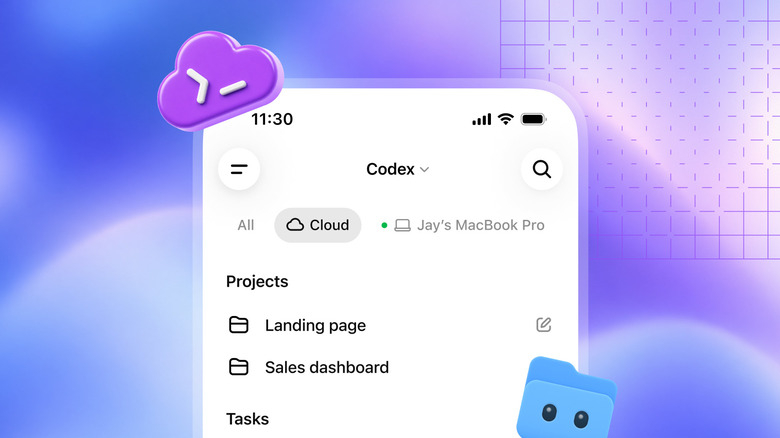
Codex can now run in the cloud, so you can start coding tasks from any device, including your phone, and its command-line tool now accepts voice instructions. ChatGPT Space is a new shared workspace for multiple members of a team and their dots, plus Pages is a document editor built for humans and dots to use together. "Sign In with ChatGPT" also lets Plus and Pro subscribers use up their plan allowance across 16 partner tools, including Notion, Vercel, and Cognition's Devin, rather than signing up for a new subscription.
OpenAI product lead Thibault Sottiaux clarified on X that the $200 Pro plan will now offer 10 times the usage of Plus, instead of the previous 20 times — though existing $200 subscribers will keep the 20x multiplier for an unspecified period of time. The $100 tier stays at five times as OpenAI raises usage across Plus and Pro. The $200 plan is also reopening to new subscribers after OpenAI paused sign-ups on September 10.