

Why Phones Are Running Out Of Storage Faster Than Ever
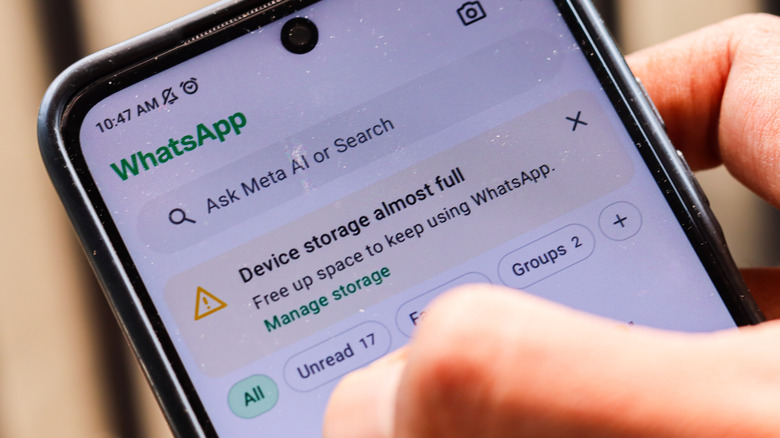
Until recently, the tech industry seemed to follow a regular rhythm of new products, offering new capabilities, often faster or more efficient than before, all of which gets less expensive over time. Apple's Macintosh SE costed the median American household 9% of their annual income when it came out in 1987; in 2026, the average worker can put in just a week of their family's wages for an iPhone 18 Pro Max. Similarly, the 256GB of storage on that flagship smartphone is 6,400 times the storage that came with a top-of-the-line hard drive for the Mac SE. But there's a hiccup: It never seems that storage is enough.
While we wrestle with how many photos, downloads, and apps we can cram onto our devices, that tech innovation rhythm is changing. An AI-driven supply crisis is driving up prices across the tech industry for everything from game consoles to storage drives. That trend is also slowing product development, meaning improved hardware is landing on store shelves at a slower pace.
Software needs, meanwhile, are set to continue jumping. We've already gone from cruddy 360p video before the iPhone to 4K, and the file sizes have rocketed up with the resolution. Apps that used to be 10 megabytes are now several times larger, in part because of their increasingly complex features. With those greater capabilities and bigger files comes more room for cruft, more processes to run through, and more things that end up being kept around, even if we think we're clearing out space.
Apps are bigger (often because they have to be)
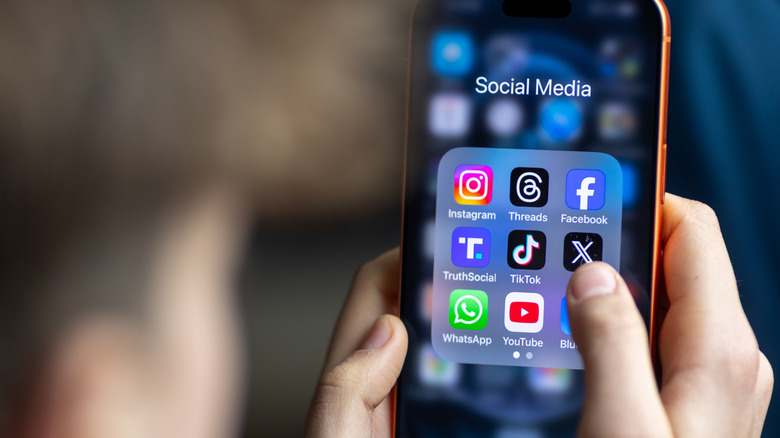
Apps aren't just lightweight webpages that connect to your favorite services. As Spotify's R&D blog lays out, there's a lot more going on behind the scenes. Apps contain the initial download package, the installed app, a cache holding updated content like music and news. Don't forget there are update packages that change the fundamental app installation too, such as updated user interfaces, prompt flows, and other nitty-gritty logic.
Facebook, for example, comes as a roughly 100MB download to Android devices from the Google Play Store, but expands to a 600MB after login on my phone, and that's just the app. Facebook stores my personal data separately, and that's an addition 900MB including stored login credentials, local copies of my recent photo and video uploads, personalized ad-tracking technologies. As I use Facebook, that cache can balloon to 1.5GB of posts and other content that it will serve to me in upcoming feed refreshes. Some users have reported their Facebook app installs inflating to gigabytes, some north of 10GB.
Updates introduce more code and more features to comply with certain goals, standards, and regulations. This can mean adding on a system to check online payments or more detailed game texture assets. These incremental changes definitely have added up: A TRG Datacenters study from 2024 found that WhatsApp grew by 167% from a decade prior to a 40MB download while Slack grew by 500% to 60MB, according to a report from TechRadar. Video games alone bloomed from 50MB to a stunning 2GB.
The files we create are sticking around longer

The need for a budget digital camera was obviated long before we had 200-megapixel sensors on our phones. Some of us have taken full advantage of our hardware, jumping from 12MP photos to 50MP ones—even at quadruple the resolution, efficiencies in formatting only produce a doubling or tripling of size on average. That said, it's little comfort when you move from 1080p to 4K and start packaging many multiples of 8MP stills every second. Furthermore, phones like the Pixel 11 Pro can record in 10-bit HDR, a potentially 64-times expansion from the traditional 8-bit color palette.
The files themselves aren't the only problems. Device makers default to keeping photos, videos, downloads, notes, and other media on our local devices. Even if you've enabled file synchronization to Google Photos, iCloud, or another cloud service, they typically act as data copying services rather than a backup so you can delete off your phone. Furthermore, many apps provided by your operating system will still store files you've put in the "Trash" for up to 30 days before actually deleting them from your storage.
What you can do to save space on your phone

You can take action to reduce the amount of data stored on your phone. Many of the typically recommended measures you'll hear about may, in a sense, feel like using a bucket to scoop out water rushing onto a sinking ship–but they can still help in a pinch. These include heading into the trash sections of your apps to delete files before the 30-day threshold. Many of phone and tablet settings apps now have features to help clear old app data, though doing so may mean you'll have to re-log into accounts associated with those apps.
When it comes to using your camera, evaluate whether you should toggle your default resolution settings down to 1080p or even 720p at 30FPS or 24FPS per second. One common tip for smartphone cameras these days is to see if your camera app can record using the more data-efficient HEVC codec, or even picking lower-detail resolution settings.
When it comes to beastly apps like Facebook, you can head into their settings and turn on data-saving toggles or, in some cases, replace them with "Lite" alternatives—including what we've called the "good" version of Facebook Messenger—either direct from the developer or from third parties that are designed for lower overall data usage. In many other situations, you can go without their apps entirely and use their web experiences, which often take up far less space but may not work offline.