

Is A YouTube Premium Subscription Worth It For Music?
For individuals, YouTube Music Premium costs $12 per month while YouTube Premium, which includes a subscription to the former, costs $16 per. If you choose to pay for an annual plan, the company will knock two months of payments off either tier. Ideally, you'd be picking up YouTube Premium for the sake of ad-free viewing (and downloading) of all the content you watch, with some of your fee going towards the creators. In those cases, you're likely getting your money's worth. When it comes to YouTube Music, it's a little more debatable.
To start with, most people hardly notice the difference in supposed streaming sound quality. YouTube Music's top streaming rate of 256 kbps pales in comparison to Spotify or Apple Music, which offer among the best streaming audio quality for music. Still, YouTube Music should provide good enough listening for a run or sitting through a flight with a pair of noise-cancelling headphones. That said, those who have an ear for details in quieter settings may be left wanting at that lower bitrate. Beyond any one feature specific to YouTube Music, though, there's one selling point to consider: the deep catalog.
YouTube Premium might be worth it for the musical rabbit hole
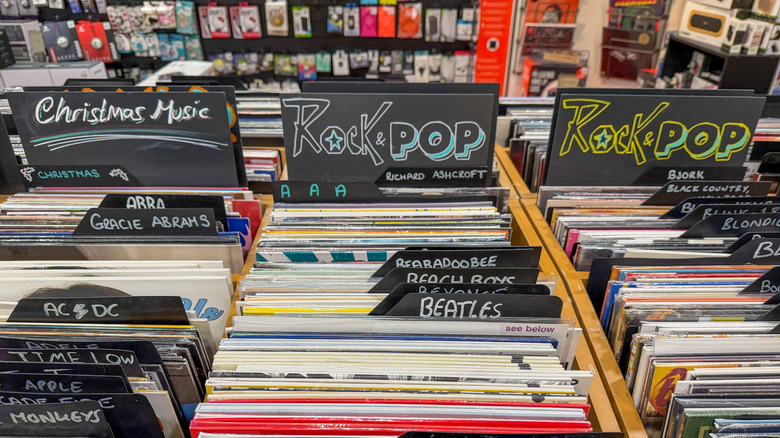
One benefit of YouTube, in general, is that it's a two-way street. The service lets you upload and store massive amounts of media for free. It might not be SoundCloud or Bandcamp with features catered to up-and-coming types, but the power of "free" certainly makes for a hotbed for garage bands and concert clips, as well as a haven for what would otherwise be lost media.
In addition to his officially published tracks, synthwave artist HOME also posts shorter noodles on his Tumblr page and has a litany of other works released under different names that have disappeared from the wider internet. There are multiple YouTube channels dedicated to reposting these songs so that anyone can easily find and listen to them.
YouTube's core essence does introduce some multimedia complications and, no, we're not talking about all those TikTok-like YouTube Shorts in your feed. In most cases, artists or their management will publish both the music video and the audio track to all of the same services. But sometimes, the streams just don't cross.
An example comes from one-time video producer at Polygon and all-around talent, Brian David Gilbert. His song "Don't Tell Your Wife About This Game" was published on YouTube as a video, but released on music streamers only as an audio track, and neither have the twain met. So, the version you'll listen to on YouTube Music will contain diegetic audio and several seconds of silence at the end, just as was in the YouTube video. Stream the song on Spotify, and it's 12 seconds shorter with a truncated intro, quicker ending, and in better quality.
On the whole, if you're a listener with varied tastes and a tinge of being terminally online, YouTube Music might be worth it. You'll definitely have a lot more musical rabbit holes to explore.