

Texas Is Becoming A Hotspot For AI Data Centers, And It's Not Just About Cheap Land
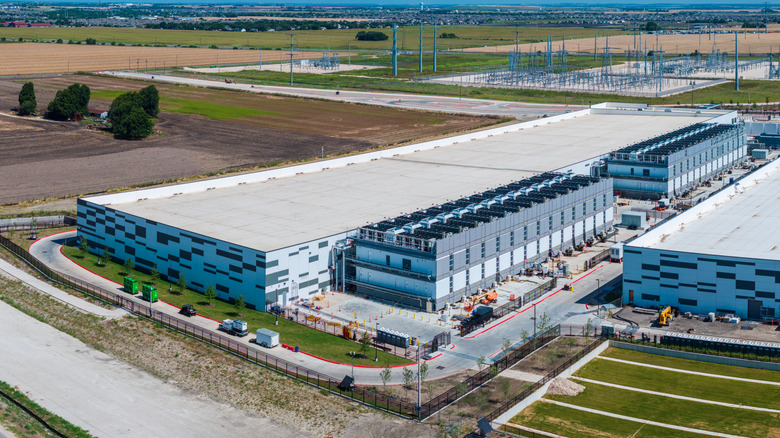
The Lone Star State, already home to hundreds of AI data centers, is set to open hundreds more in the coming years. Texas currently has over 300 operational data centers and around 250 under-construction or planned ones, for a total of 561 facilities, many of which are concentrated in the Dallas-Fort Worth area. Land availability and cost are certainly important factors, but there are other reasons that explain why Texas is such a desirable market for data center investors.
According to commercial real estate and investment firm CBRE, as of April 2026, 78% of investors viewed Dallas-Fort Worth as the "most attractive market" for data center development thanks to power availability and cost, fiber Internet availability, and lower natural disaster risk than other parts of the country. Much of the state, including major cities, has a deregulated energy market that allows homes and businesses to choose their supplier rather than having to rely on a local utility company. It's a system that's intended to provide options to consumers and promote competition, but, in practice, often leads to higher costs.
Texas is also known for its lax, business-friendly regulations and has tried to make itself more appealing to data center investors with a state sales tax exemption for data centers. While announcing a $40 billion Google investment intended to boost the state's AI infrastructure, Governor Greg Abbott called Texas "the epicenter of AI development," framing the deal as a job-creating opportunity. While the state might appear an ideal frontier for the AI data center boom, these facilities are facing increasing amounts of backlash from ordinary Texans.
Data centers are increasingly unpopular
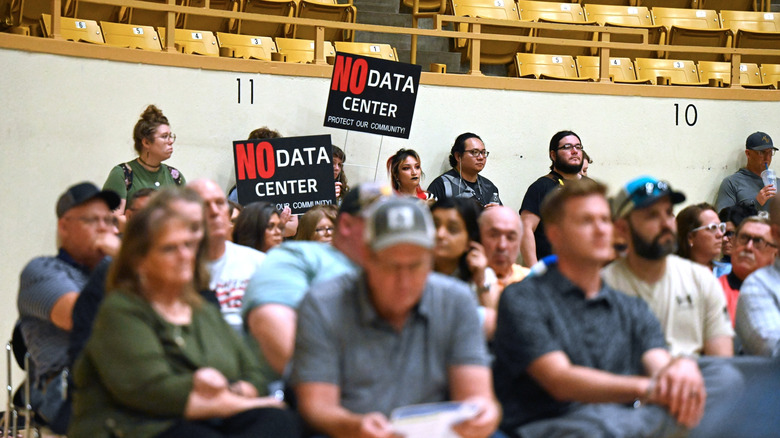
By now, you're probably aware of the multitude of issues that make data centers controversial, such as resource consumption that drives up utility prices (especially in places where resources are already strained) and creating pollution that contributes to climate change. AI data centers have also driven a memory chip shortage that has led to skyrocketing consumer tech prices and come with unexpected consequences like threats to zoo animals and livestock. That's why increasing numbers of people are pushing back against proposed data centers and calling for more regulation on existing ones.
Opinions on data centers and their impact are becoming increasingly negative, and elected officials on the local and state level are starting to take note. In July, New York became the first state to put a one-year moratorium on new data centers as the state develops regulations to make them less disruptive and destructive. As of this writing, 16 states have introduced legislation targeting new projects, though several have already failed.
Even Gov. Abbott, currently locked in an unexpectedly close gubernatorial race, has changed his tune. In August, the governor mandated a comprehensive audit for all proposed data centers, and in September, he halted all data center permits until the audit is completed. These executive orders are essentially a moratorium on all projects in Texas, which is a major shift in under a year and reflects the public's growing distaste for data centers and their proponents.
What other states are seeing data center booms?
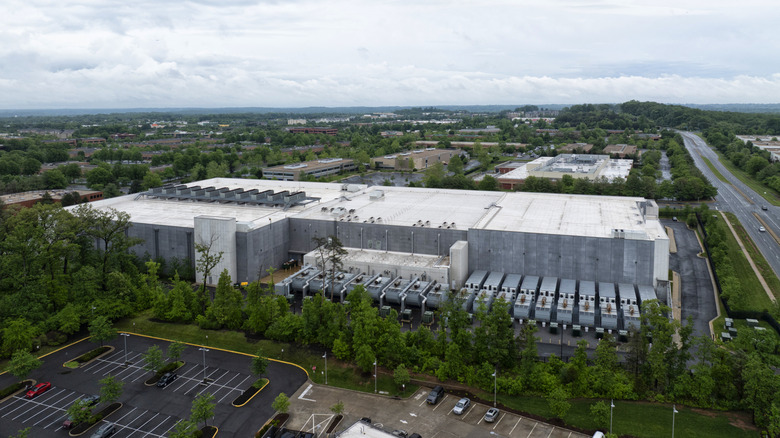
It's worth mentioning that counting data centers is difficult, as there's no universal definition for what a data center even is. On top of that, they're measured differently; some only count operating data centers, while others go by power consumption or size. Before the moratorium, Texas was on track to become the state with the most data centers by the end of the decade, but it may remain in second place for longer to Virginia.
According to the U.S. Data Center Map, which measures active, under-construction, and planned facilities, Virginia has 591 data centers to Texas' 561. In a distant third is California with 343 data centers, followed by Ohio (238) and Georgia (232). The gap between Virginia and Texas could widen depending on how long the audit takes. In the previously mentioned CBRE survey, 72% of investors viewed Northern Virginia as an appealing market for data centers. That said, Virginia is also tightening regulation in response to public outcry.
In September, Gov. Abigail Spanberger announced comprehensive data center accountability standards, and a newly introduced state Senate bill that would put a moratorium on new approvals already has bipartisan support. As for power consumption, it's true that everything is bigger in Texas. The state's data centers have a reported power total of 103.7 GW, 10.5 GW of which comes from operational facilities. Virginia is second at 40.6 GW total and 9 GW active. Pennsylvania comes next at 23.4 GW total, though just 328.6 MW of that's from operational data centers. Only counting active ones, Georgia comes in third at 2.5 GW.