

The Unexpected Way A Data Center Project Is Threatening Nashville Zoo's Most Sensitive Animals

Maintaining the current trajectory of AI development requires computing power. This computing power doesn't come out of thin air and relies on data centers, which is the key factor in why these facilities keep popping up. The situation is only getting worse. Arguably, not much thought is put into the environmental impact of new data center operations, and many will be built in drought-stricken areas. Climate change debate aside, locals often push back against "compute factories" when it hits home, so to speak. For instance, residents of Newton County, Georgia, were openly unhappy with Meta's new data center constructed in the area, citing water supply issues.
This is becoming a central issue in the United States. Reports of Amazon data centers burning through 2.5 billion gallons of water in a year were nothing but a confirmation of what critics of AI's environmental impact already knew. Though the particular headline may have slipped under the radar for many, Nashville residents rallied against the construction of DC Blox's new data center, surprisingly, to protect animals in a nearby zoo. From what exactly?
Well, data centers are doing more than just driving up utility prices. In addition to impacting the water supply, the facilities also introduce noise pollution and infrasound, which can have a significant impact on the endangered animals in the Nashville Zoo. Fortunately, the Nashville Zoo data center sparked public outcry. The petition collected over 520,000 signatures, and the city's mayor, Freddie O'Connell, filed a piece of legislation to acquire the vacant plot of land where DC Blox was planning to construct the data center.
Nashville shows solidarity with the zoo
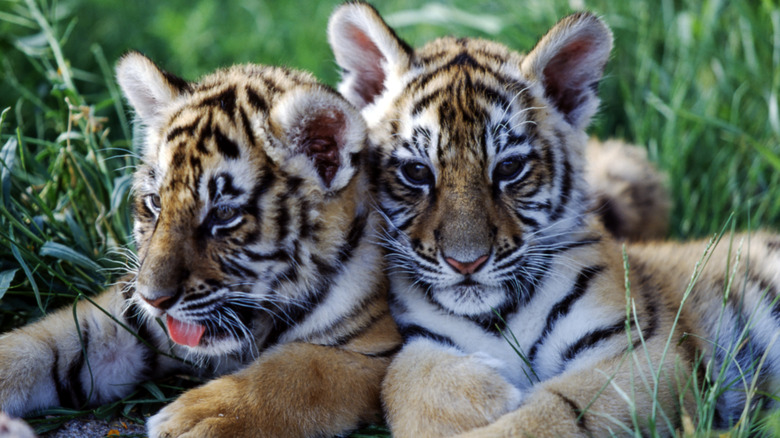
According to the Nashville Zoo, the infrasound emitted by the proposed 69,000-square-foot data center neighboring the facility could harm the animals located on the premises. In a blog post, the Nashville Zoo also shared an anecdote about a Texas rancher who saw no live cattle births on his ranch after a data center popped up in the vicinity of his property. Water is another problem. The zoo's stormwater retention system is already working around the clock to purify the stormwater runoff coming from the industrial park slated for the new data center. Most concerning is the impact on the local tributaries, one of which even contains federally protected crayfish species.
Light pollution could also disrupt the animals' sleep cycles and behavior, but it's not just about the zoo. The data center in question is expected to use 50 megawatts at minimum, which, according to the zoo, is equivalent to at least 30,000 single-family homes and will put extra strain on the Nashville power grid. Citizens who oppose the construction of the data center found an ally in Nashville Mayor Freddie O'Connell, who said that the city found better uses for the vacant lot. So, he filed condemnation legislation to acquire the property and put it to public use. Mind you, the piece of land is appraised at over $36 million, proving that a common enemy easily bridges the divide between citizens and politicians.