

These Android Phones Have Built-In Spam Call Protection That Actually Works
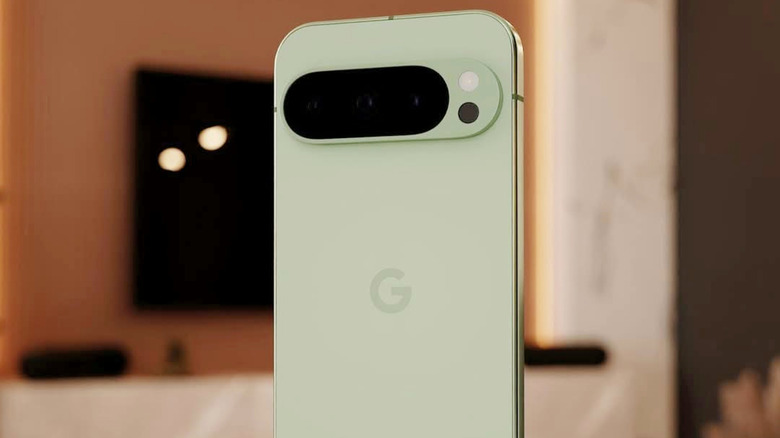
Two of the most notable Android phone makers offering built-in spam call protection are Google and Samsung. Each takes its own approach, but the outcome is the same: Fewer spam calls. These days, spam call protection is a necessity, as impersonation scams are on the rise, from claims that your bank account has been compromised to the notorious process server scam, which goes so far as to harass you and your family. These calls can be constant, and many spoof their numbers to look local. In other words, there's a sea of scams to navigate, and it's much easier with a Google or Samsung phone, since both have taken spam protection to the next level.
Google's protection can be more automated, but it comes with a maze of confusing names. Under the umbrella of Pixel Call Assist, a suite of calling features built into the Google Phone app, you get features like Call Screen, Clear Calling, Direct My Call, Hold For Me, and Wait Times. Call Screen is the main spam-fighting feature, but it actually relies on Call Assist to answer unknown calls and hang up if it determines the call is spam. Then there's Caller ID and spam protection, which is available to non-Pixel devices through the Phone app, while Scam Detection remains limited to eligible Pixels. Features like these are why your Google Pixel is getting smarter at detecting scam calls.
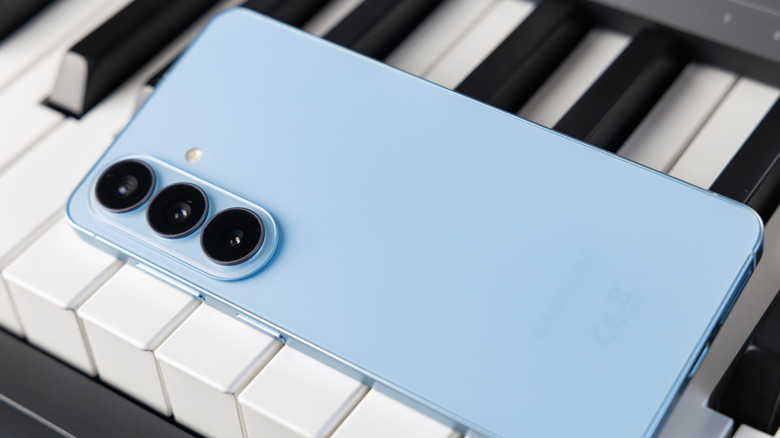
Samsung's approach is more straightforward. Its Caller ID and spam protection can flag suspected spam calls and block them. Newer Galaxy phones running One UI 8.5 or later also offer Call screening, which uses Galaxy AI to answer unknown calls, ask who they are and why they're calling, and show you a live transcript. It's one of the cool new Samsung Galaxy S26 Ultra features you need to try. So whether you choose Samsung or Google, built-in spam protection goes a long way toward keeping scammers at bay.
Google and Samsung lead on built-in spam protection
For the most protection, Google Pixel phones like the Pixel 11 series are an easy recommendation. If you live in the U.S., Call Screen can answer unknown calls, identify who's calling and why, and even hang up on suspected spam automatically, or you can take over and hang up yourself. On top of that, Scam Detection listens for common scam patterns during a live call and warns you in real time. It's available on Pixel 6 and newer phones in the U.S., and on Pixel 9 and newer phones in several other countries, including the U.K., Canada, Australia, and India.
Samsung's counterpart is known as Call screening, which debuted on the Galaxy S26 series. It can answer unknown calls, show a live transcript of the call, and automatically screen suspected spam or scam calls, which you can then reject or take over yourself. While spam protection on older Galaxy flagships is a little less clear-cut, Samsung is actively rolling out One UI 8.5 to the S25 and S24 series, though as a newly released feature you should keep in mind that the full experience may be limited to the S26.
So if Call screening is the reason you're considering a Samsung smartphone, you should double-check that the feature is actually available on the model you're looking at. Between the two companies, Google's Pixel remains the safest bet for all-in-one built-in spam protection, especially if you live in the U.S., while Samsung's Call Screening is its strongest answer to Google's spam tools yet. Together, they're the two strongest options if you want built-in spam call protection, with their newest premium models offering some of the most complete protection available on Android.