

Do The Colors On Your iPhone 18 Pro's Display Look Off? You're Not Alone
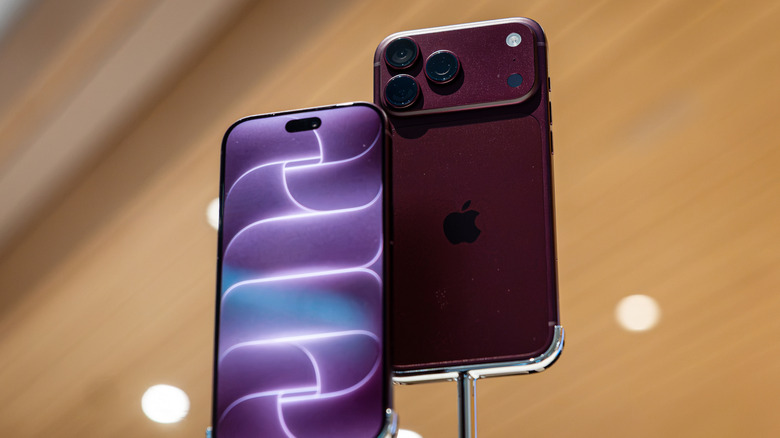
The iPhone 18 Pro models have been available in stores around the world for about a month, and while they've received positive reviews, the devices aren't problem-free. One recurring issue that buyers have complained about is the displays on both the iPhone 18 Pro and iPhone 18 Pro Max. Some consumers found the screen to be less warm than previous iPhone models. Users described tinting (magenta and green) and more washed-out colors. These are not confirmed to be manufacturing issues, and it's unclear how widespread the problem is. Some consumers have investigated the display provenance in search of explanations or fixes.
Samsung Display and LG Display are the two screen manufacturers for the iPhone, but users can't choose their iPhone 18 Pro based on the OLED screen vendor. That's because Apple doesn't differentiate between the two panels, and all displays are supposed to offer the same experience and performance. The screens are calibrated similarly, and they have to meet the same quality assurance process before Apple uses them in new iPhones.
When it comes to specs, the iPhone 18 Pro and iPhone 18 Pro Max should offer the same characteristics: ProMotion with adaptive refresh rates up to 120 Hz, 2,000,000:1 contrast ratio, and brightness ranging from 1 nit (minimum) to 3,000 nits (peak outdoor brightness). Typical brightness is rated at 1,000 nits, with peak brightness reaching 1,600 nits. These figures are identical to the iPhone 17 Pro and iPhone 17 Pro Max. Users who aren't happy about their screen experience should take their iPhone 18 Pros back to Apple, and ask for potential fixes.
What's wrong with the iPhone 18 Pro screen?
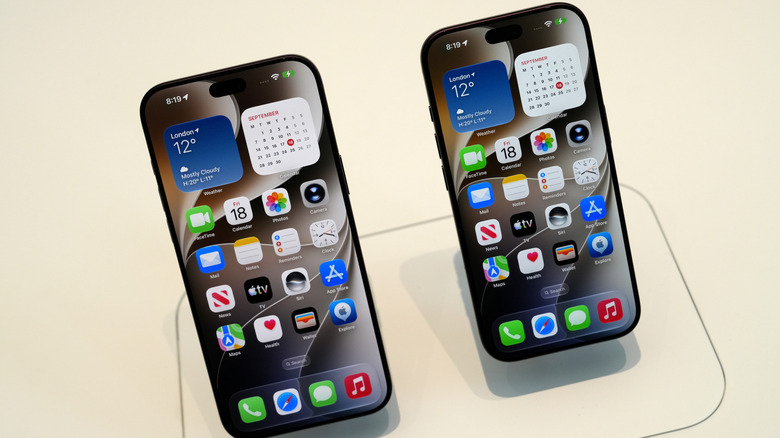
Reddit user junglehypothesis complained about their iPhone 18 Pro Max feeling "off," and said the device featured an LG GH3 panel. "Screen looks washed out in a hazy way with a green tint, and colors are hyped in a bad way, very unrealistic and kind of cartoonish or neon," the user wrote. The Redditor also detailed the types of OLED panels that may be used in iPhone 18 Pro models. The list includes Samsung G9N, G9Q, and G9P displays, and LG GVC and GH3 screens. Junglehypothesis described the latter as the "worst and lowest acceptable bin," a screen type that may be "more susceptible to minor visual defects like being washed out, with lower brightness, cartoonish colors and slight pink/green/yellow screen tinting or color cast when tilted." At the opposite end is the Samsung G9N, which features "the best sub-pixel fill rates, the sharpest text rendering (due to deep optimization of green sub-pixels), superior color accuracy, and zero color shifting at extreme viewing angles."
It's unclear where junglehypothesis obtained their information from. Apple doesn't offer such granular descriptions about iPhone OLED panels. The Redditor returned the iPhone 18 Pro Max with the LG GH3 display and received a Samsung G9Q panel. They said a diagnostic test wasn't even needed to determine the screen type, as the difference "was blatantly obvious upon starting the new phone." The phone showed "normal colors, no washed-out effect or green tint."
This is a very detailed iPhone 18 Pro display complaint, but it's not the only one. Redditor evilZardoz compared the iPhone 18 Pro against the iPhone 17 Pro, finding the new screen has "a significant magenta tint."
What if the cooler colors aren't a problem?
YouTuber Erica Griffin analyzed the new OLED panels (video above), comparing them to previous iPhones. She said she had complained about the iPhone panels looking warmer with every generation in the past. The iPhone 18 Pros marked a departure from that, looking "much cooler and more neutral." Griffin explained that Apple calibrates iPhones and MacBooks to D65 white, or "the industry standard for neutral daylight white." But despite similar calibration, the panels can look different. She also complained about the iPhone 17 Pro models looking the worst when it comes to warmth and yellow tinting.
She tested the iPhone 18 Pro screens and found out that they were significantly cooler than D65. Griffin then changed a calibration setting (OLED Judd Modified instead of CIE 1931) and discovered that measurements improved for both the iPhone 18 Pro and iPhone 18 Pro Max. The screens still looked cooler, but they were within parameters. Interestingly, Griffin noticed that the Samsung panel in the Pro Max did worse in the test than the LG screen in the iPhone 18 Pro model. "My suspicion is that Apple has changed its color matching approach in a way that better accounts for how we actually perceive these newer OLED displays," she concluded, adding that Apple hasn't explained any changes publicly. Keep in mind that you won't know what panel a replacement device may have, if you qualify for an iPhone replacement, until you've started using it.
Griffin said she is "stinking happy" about the change, appreciating the more neutral display colors. This contrasts with the reactions of other iPhone 18 Pro buyers complaining about the cooler, sometimes tinted displays.