

This Cult Classic '90s Sci-Fi Show Was Created To Sell Chryslers To A Younger Audience
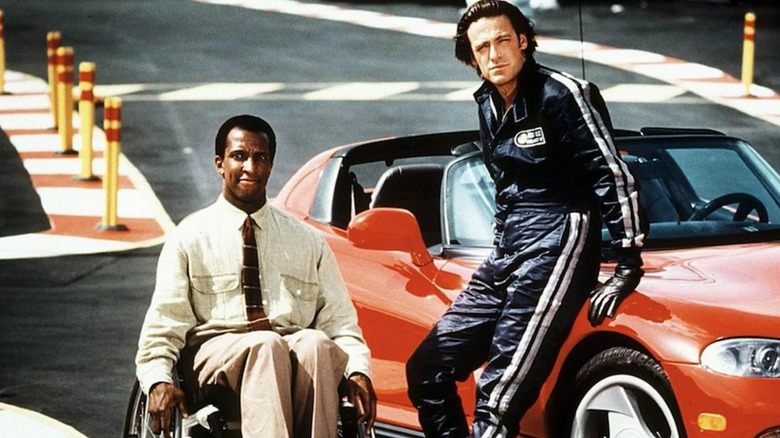
If you're a hopeless nostalgic who grew up in the oversaturated 1990s like myself, I'm here to throw you for a loop. Can you remember a TV show that starred a bombastic muscle car that was also able to transform into an infinitely cooler silver liquid-metal version armed with all kinds of high-tech weaponry to fight crime in the near future in a fictional place called Metro City in California? Alright, I'll help: the series was called "Viper," and it featured (you guessed it) a Dodge Viper RT/10 driven by two handsome fellas with uncanny driving skills to catch and/or dispose of bad guys scattered around town.
It may not have been great (questionable writing, casting choices, and clunky special effects were all present), but it undeniably had charm. Especially to young boys and men who were easily seduced by the mere sight of badass sports cars that virtually made everyone salivate in front of their television screens. You'd think that was just a by-product of a show with semi-serious sci-fi aspirations on its mind, but you'd be wrong.
"Viper" was created by car manufacturer Chrysler (in a partnership with Paramount Television) solely to promote its Dodge Viper models and other performance vehicles that largely made up their mid-brand division, Dodge. The action scenes may've looked cheesy in the series, but the cost of production wasn't cheap in the slightest. According to Driving Line, Chrysler had to write heavy checks of about $1.5 million per episode, and season one needed 12 of those to run from January 2 to April 1 in 1994. Since that high budget wasn't sustainable and the show's ratings were poor, NBC canceled "Viper" after its first season, but it was later brought back for first-run syndication.
During its four-season run, Viper went through significant changes
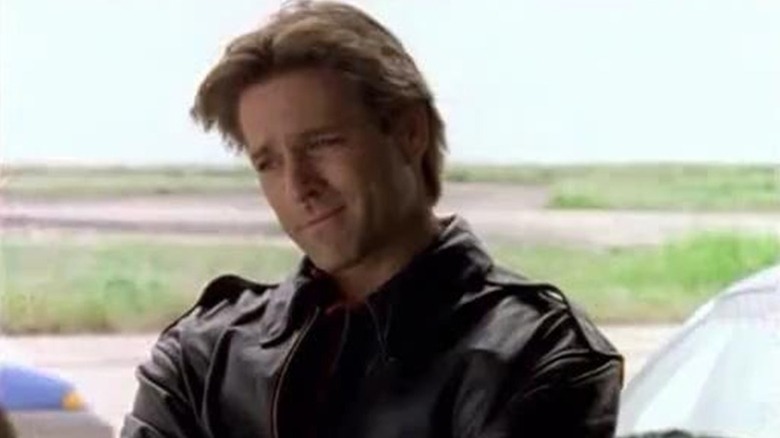
In the freshman season, the titular Dodge Viper Roadster is driven by James McCaffrey's Michael Payton, a former member and top driver of the crime syndicate called the Outfit, who suffers an accident during a heist and is captured by the police. Due to his injuries and crime-ridden life, the Metro City Police decide to erase Payton's memories and give him a new identity under the name of Joe Pastor in order to use him in the top-secret government task force titled the Viper Project.
Due to his outstanding driving skills, he's the perfect specimen to handle the Defender (the war machine the Viper can turn into at the push of a button) and slowly dismantle the Outfit's crime operations bit by bit. At the end of the season, Pastor is sent to Europe by the U.S. government for deep cover missions, and the Viper Team is shut down. Season 1 regulars (and recurring actors) included McCaffrey, Dorian Harewood, Joe Nipote, Camille Winbush, and Fay Hauser, out of whom only three returned in the later seasons.
Once the series was revived and brought back for syndication, its cast was almost entirely replaced. Taking McCaffrey's place in the driver's seat was Jeff Kaake, introduced as Thomas Cole, a CIA agent with a special affinity for driving, who was chosen to lead the reassembled Viper Team to fight the resurgent crime that was once again overtaking Metro City. His partners were Cameron Westlake (Heather Medway), Allie Farrow (Dawn Stern), and Frankie Waters (Nipote, the only actor to appear throughout the entire show). In the final season, McCaffrey and Harewood also returned to reprise their roles.
Although Viper ran for several years in the '90s, there's no evidence of it actually increasing dealership sales
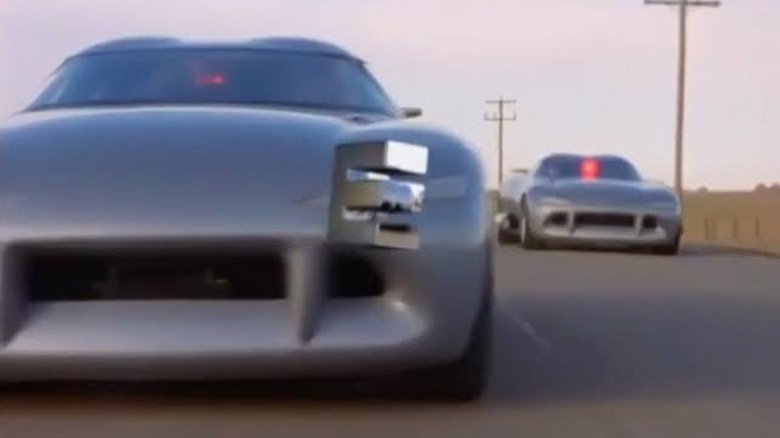
In spite of its initial troubles and early cancellation, "Viper" ended up running for four seasons (78 episodes) between 1994 and 1999. Although critics generally dismissed it as standard fare among police procedurals that deserved little attention, the show developed a cult following among its loyal fanbase. Honestly, I would've totally forgotten about its existence if it weren't for the dazzling car designs the series featured (often boasting prototypes and unique features that weren't even available for customers in real life at the time) in some of its ridiculous high-octane chases, which were clearly the bread and butter of the show.
Funnily enough, "Viper" also used many Chrysler models almost exclusively in the fictional futuristic streets of Metro City besides the several Dodge Viper variations, yet there is no evidence or available data about whether that boosted the company's sales at all or not. Regardless of the sole purpose of selling more cars it was born from, "Viper" has essentially become an amusing and nostalgic piece of trivia from a simpler era (like these critically dismissed sci-fis from the '90s) that can elicit fond memories from those who grew up watching it. In retrospect, it was definitely the wildest and most shameless product placement ever, but somehow the series managed to become its own thing and find enough viewers who stuck with it for years.