

Pinching Pennies On XLR Cables For Your Home Sound System Is A Bad Idea - Here's Why
We may receive a commission on purchases made from links.
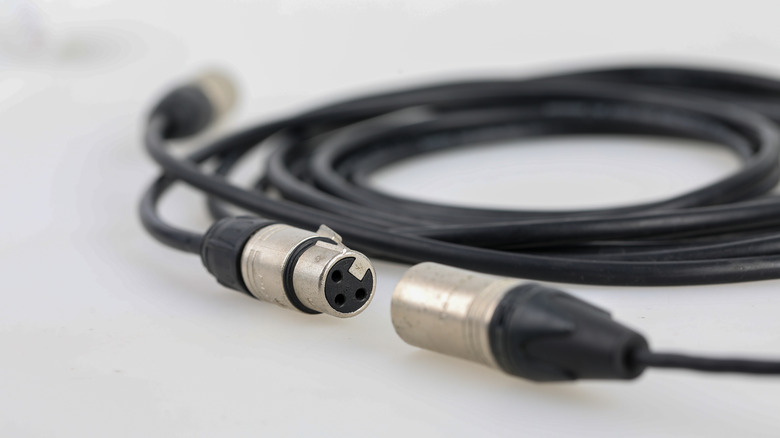
XLR cables are a great choice for audiophiles and everyday consumers looking to upgrade their home audio setups. You have a wide range of options, from budget picks like the Amazon Basics XLR Microphone Cable, which sells on Amazon for only $10.80, to premium choices like the 100-foot-long Mogami Gold Studio 100 XLR cable, which retails for $274.95. While cutting costs with a cheaper XLR cable may seem financially beneficial, you'd sacrifice your sound system's audio quality in the process. So we think it's better to choose higher-quality products for your subwoofer and other components of your audio setup.
Pricier XLR cables beat cheaper alternatives because they offer superior electromagnetic and radio-frequency interference shielding. Better shielding makes your system more likely to block out annoying buzzing or humming tones that could sneak into your audio signal. Premium cables also come with more reliable connectors. These offer better strain relief to protect the connector's solder joints, thus keeping the internal wires in place.
Quality XLR cables should also contain denser, more balanced insulation to prevent broken connections and electrical sparks. They also use a higher strand count of silver-coated copper wires that, compared with cheap cables' bare wires, may enhance sound quality and reduce audio interference. Without these perks and more, your home sound system may not reach its full potential, no matter how expensive or high-quality the speakers are. That said, you shouldn't cheap out on XLR cables.
XLR cables can enhance your home audio
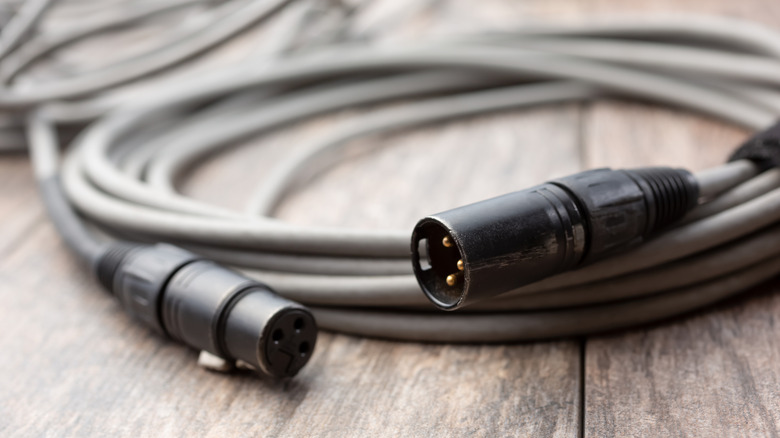
Understanding why audiophiles prefer XLR cables makes it even clearer why it's worth splurging on more expensive products to level up your home theater. Compared with traditional connectors like RCA cables, XLR cables offer exceptional noise rejection, a balanced connection, longer runs that prevent signal loss, and superior signal quality. They also stand out for their use in professional audio environments and their broader compatibility with more devices.
XLR cables are also praised for their ability to deliver a track's crucial elements crisply and cleanly. Some Reddit audiophiles praised XLR for putting the meat of the audio at the forefront, rather than letting it get drowned out. "I generally think that XLR sounds cleaner, punchier, more forward with a better sense of image solidity," one user wrote. By comparison, they argued that RCA cables sound more natural and calmer. "I generally think that RCA sounds more open and far more natural, less boosted in bass and treble, midrange calmer, open with a wider dispersion of sound horizontally and vertically," the user wrote. So while either option can fit your individual listening needs, if you want your home system to deliver movie theater-quality sound, premium XLR connectors may be the best way to get the most out of your speakers.