

Amazon's New Alexa Tablet Gets One Upgrade Everyone Wanted
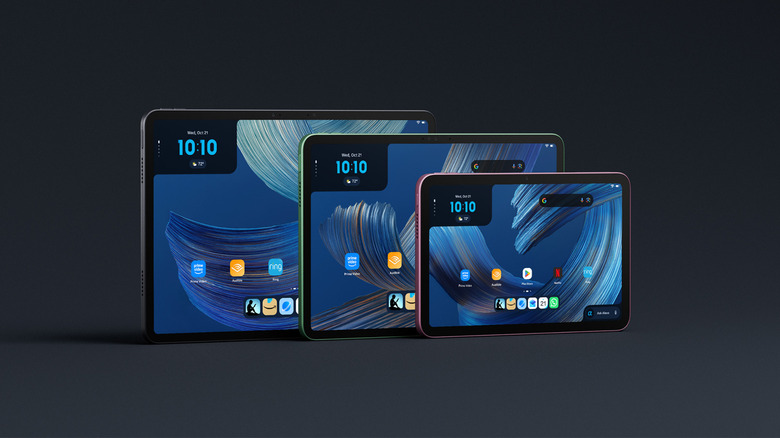
Amazon has been making tablets for 15 years — the company's first multimedia tablet launched all the way back in November 2011. But these have historically run Fire OS, Amazon's modified version of the open-source Android operating system. That is, until now.
Amazon launched its new Alexa tablets in 2026, forgoing Fire OS for the more ubiquitous Android OS. And that's a good move. Fire OS has been plagued with complaints about its limitations for years. The public has been itching for something more familiar and user-friendly that affords better access to the apps they want.
With a switch to Android and its new Alexa branding, Amazon is officially discontinuing Fire OS and the Fire line of tablets. Sure, there are cool things an Amazon Fire tablet can do, like work with multiple profiles and sideload apps. But this is still the upgrade everyone has wanted for a slew of reasons, including better access to Google services and apps as well as improved performance over the older models. And while the top-line new model, the Alexa Tablet 12 Pro, has received its fair share of early criticisms, there's no denying that the changeover to Android along with deep integration of Alexa voice assistance was a good move.
Why Android is the better move
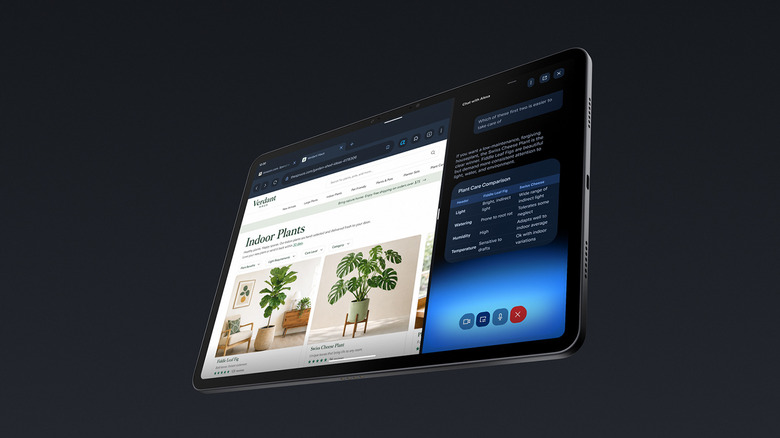
One of the biggest issues people have had with Amazon Fire tablets is that they're locked to the Amazon Appstore. You can technically run some Android apps through sideloading, a process of installing from outside of the device's official app store. But this isn't simple for the average user to do, the apps may not run as well, and you have to be cognizant of where you're downloading them from. It's not as user-friendly an experience as being able to natively access the Google Play Store. Google Play access alone is a solid reason to finally buy an Amazon tablet if you've been on the fence.
Since all the new Alexa tablets run Android 16, updatable to Android 17 by early 2027, you can download apps that can run on any other Android-based tablet from other brands but weren't accessible on Fire tablets. It's the same OS running on your current Android phone as well. This is alongside synergies with your Amazon account, too, like being able to sync from your laptop, phone, or TV to pick up watching a Prime Video movie from where you left off, or continue reading a Kindle book from the last spot you ended. The Alexa tablets even have a Kindle mode that automatically silences notifications and dims blue light to conserve battery life as soon as you open an e-book for a more comfortable reading experience. You're now getting the best of both worlds.
Still some drawbacks with Alexa tablets
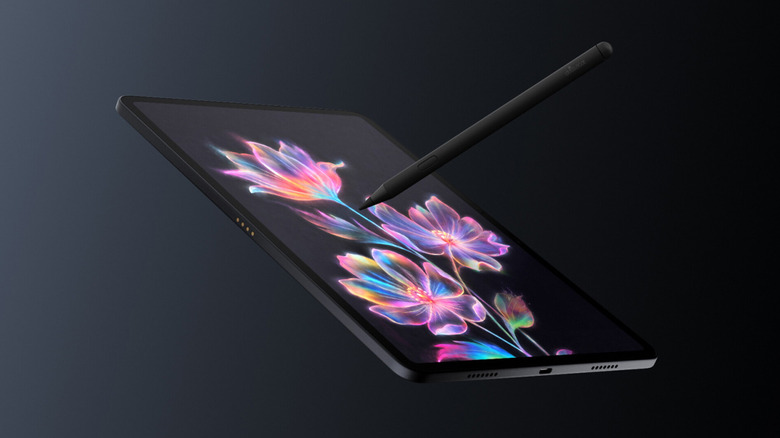
Despite the positive changes with these latest generation tablets, they aren't without drawbacks. Based on early reviews, they don't pack as much power as other similarly priced tablets, though our Amazon Fire Tablet 12 Pro reviewer says you get better performance than with previous generation Fire tablets. Most notably, navigation can sometimes lag and stutter, and not all Android apps are optimized for the larger screen. There's also a lot of Amazon bloatware with things like content recommendations, pre-loaded Amazon apps like Music, Photos, Amazon's Silk browser, Luna, and Prime Video, and even a pair of home screen widgets advertising Amazon products that you conveniently can't remove. The Alexa integration is nice, but it often drives you to Amazon to buy whatever you're asking about, some reviewers claim.
While Alexa Plus is handy, it's still not quite as good as other voice assistants like Gemini. The good news is that you can also access Gemini on this tablet. There's even a dedicated folder with Google apps like Gmail, Maps, Meet, and YouTube, and a Google Search widget on the home screen. Most agree that, regardless of their drawbacks, the new Amazon Alexa tablets are beautiful, well built, and easy to view in any condition, especially with the upgraded Nanomatte display finish option that reduces glare. But overall, the biggest upgrade to these tablets isn't the integration of Alexa — it's adopting a more Google-fied experience, and the combination of Amazon services with the Android OS.