

How Much Would It Cost To Buy Headphones In 2006 Vs. 2026?
We may receive a commission on purchases made from links.
The headphones market was simpler in 2006 than it is today. Most people just wanted a comfortable partner in crime while they jammed out to the iPod's 1,000 songs in their pockets. Active noise cancellation (ANC), built-in microphones, and wireless connectivity cost a premium, and the average consumer prioritized convenience and comfort over advanced features. Products like Apple's $29 earbuds came in to meet that demand with the standard 3.5-millimeter audio jack, wires, and basic stereo sound.
However, the audio market is a whole different story in 2026. Adjusted for inflation, that $29 converts to $49, enough to buy a pair of wireless ANC headphones. What used to be high-end back in the day has evolved into the baseline industry standard, with ANC, lithium-ion batteries, and wireless connectivity becoming basic everyday features. For example, the JBL Tune 520BT has much better sound quality than the average 2006 headphone and lasts 60 hours on a single charge. While the price has largely stayed the same, the premium features have been discounted.
A quick glance from 2006 to 2026 shows how much headphones have evolved. The price chart has remained steady over two decades, but now consumers receive better functionality. From budget headphones to flagship products, each brand has had fantastic improvements across the board in these past two decades. However, just how much would a good pair of headphones set you back in 2006?
Flagship and budget audio cost less in real terms
On the premium spectrum, Bose's 2006 flagship offering, the QuietComfort 3, provided active noise cancellation, heavy bass, and best-in-class audio. This came at a steep $349 back then, which amounts to roughly $580 today. Now Bose's 2026 premium counterpart, the QuietComfort Ultra Headphones (2nd Gen), comes with spatial audio, a 10-microphone array, 30-hour battery life, and Bluetooth 5.4 that enables it to pair simultaneously with up to two devices. All this costs $455 on Amazon, which is roughly 22% cheaper in real purchasing power compared to the top end in 2006. This shows that despite rampant inflation, audiophiles are getting a better return on their tech investments in 2026.
On the budget side of things, the Sony MDR-7502 was among the best offerings in 2006. For $65 (about $108 today), the MDR-7502 had all the basics: wired audio, passive noise isolation, and a lightweight, comfortable design. In 2026, Sony headphones pack significantly more functionality for much cheaper. At $68 on Amazon, the latest Sony WH-CH530 has a 55-hour battery life, a built-in microphone, and AI-powered noise reduction for calls. While the 2006 model focused on providing the basics, its 2026 counterpart offers advanced features, enhanced accessibility, and overall clearer audio for a lower inflation-adjusted price.
The best value headphones you can buy in 2026
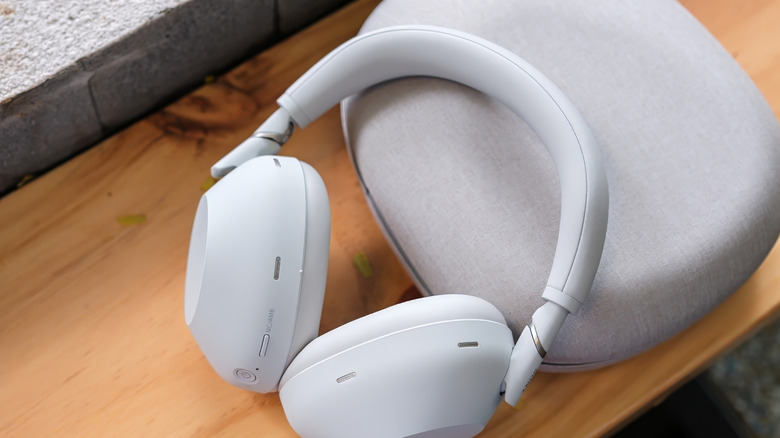
The 2026 gold standard for premium headphones is the Sony WH-1000XM6. It combines industry-leading ANC with top-notch audio quality, which is heavily customizable using the available 10-band equalizer in the companion app. The WH-1000XM6 also has a foldable design and comes with a magnetic-clasp travel case that promotes portability, and its world-class ANC can mute out even the busiest of train terminals. It goes for $458 on Amazon but occasionally drops to $400 or less at select retailers. Even at full price, though, the Sony WH-1000XM6 is a worthwhile investment if premium audio is your goal.
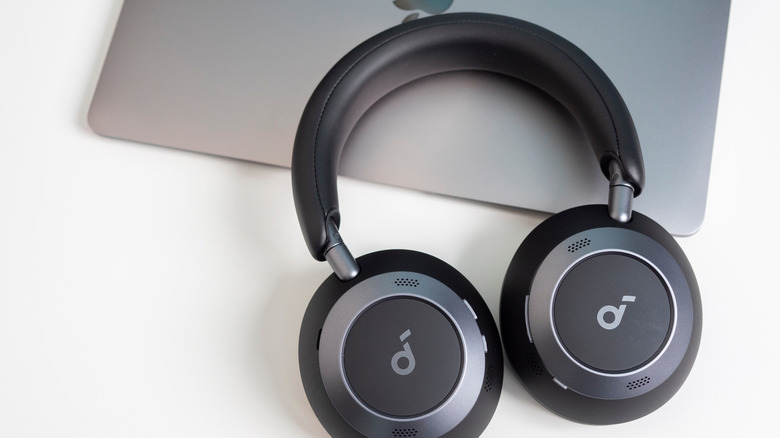
In the budget comparison, the Soundcore Space 2 is one of the most affordable pairs of over-ear headphones available in 2026. It offers an enormous 70 hours of playback without ANC and 50 hours with ANC. Its 40-millimeter double-layer drivers deliver high-resolution wireless and wired audio to your ears, while the cushion padding makes it perfect for long hikes and gaming sessions. Although the $129.99 price tag makes it pricier than entry-level budget headphones, its value for the money is compelling. In 2006, the premium $349 Bose QuietComfort 3 provided little more than clear audio. Today, the Soundcore Space 2 provides tenfold more for a fraction of the price.