

Why Some Game Discs Still Require Large Downloads
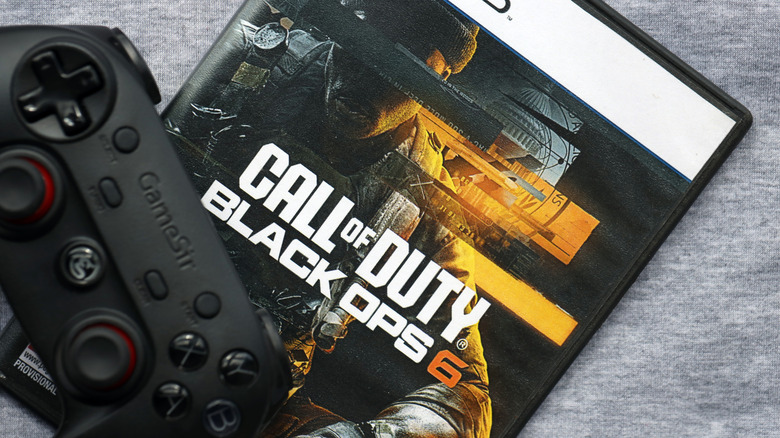
Playing games from physical discs doesn't necessarily mean you won't need to download anything. While discs can contain most of a game's playable content, some rely on additional downloads for launch-day updates, bug fixes, missing data, compatibility improvements, or post-launch content. This varies by platform and game, but suffice it to say that owning a disc doesn't guarantee an entirely offline experience.
The size of these downloads can vary, with some amounting to just a few gigabytes and others reaching tens of gigs. This has become an increasingly noticeable part of buying modern games, especially when a newly purchased disc prompts a lengthy download. The reasons are not always the same: A download might just update the version provided by the disc, add game data that wasn't included in the physical release, provide a patch intended for a particular console version, or include post-launch content like expansions, new maps, missions, updated rosters, and seasonal content.
Why do disc games need to be downloaded now?
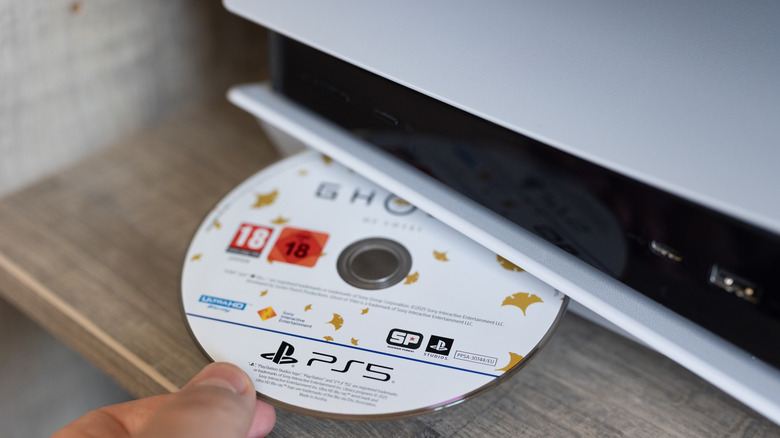
One of the main reasons disc games require downloads is the time between the game's final build and its physical release. Publishers have to manufacture and distribute the physical copies in advance, but development can continue during that period. Developers may find some bugs, improve overall performance, or make any other changes before launch. As a result, a day-one update would have to be released. Since the already manufactured discs can't be rewritten, those changes must be downloaded separately by the user. For instance, day-one updates of 47 GB and 74 GB for "Call of Duty: Modern Warfare (2019)" were released for PS4 and Xbox One disc versions, respectively.
However, not every large download is a day-one patch. Some physical releases do not contain all the data required to install the game, making an internet connection necessary. For instance, Nintendo's Switch 2 Game-Key Cards contain the key to launch the game, while the actual software must be downloaded separately. Other than that, some day-one patches can address crashes, graphical problems, broken quests, or other issues discovered after the physical release.
Lastly, a game released for an older console may receive an upgraded version for the newer hardware. The new version can offer improved graphics and performance, but it may need to be downloaded separately because the disc contains the older version. For example, if you own the PlayStation 4 disc version of "Cyberpunk 2077" and you want to play it on your PlayStation 5, you have to download the PS5 version from the PlayStation Store. For that, the PlayStation 4 disc must be inserted into Sony's PlayStation 5 to verify ownership.
Console system updates and cache are different from game updates
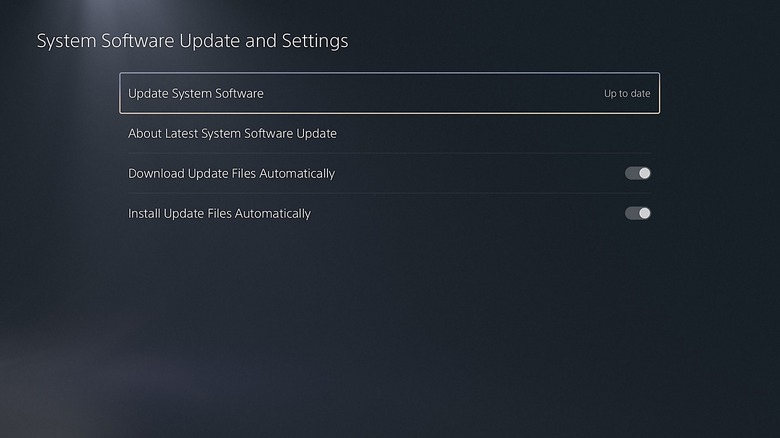
A console may need a system software update before certain games or features can be used. Unlike a game patch, a system update modifies the console's underlying software. Sony confirms that some content or applications may be unavailable until the console's system software is updated. If a console is running outdated system software, a player may be prompted to update it before launching certain games (assuming you haven't set up automatic updates). This can mean downloading and installing an update even when the game itself is installed from the disc. However, this certainly does not mean that the game is being downloaded again.
Other than that, games may also store temporary data to speed up loading and avoid processing the same information repeatedly. After an update, some cached data may need to be rebuilt so it matches the game's newer version. However, this is different from downloading a patch, which changes or adds game files. Cache files themselves are generally not the main reason physical games require large downloads.