

Car Features You've Already Paid For Can Still End Up Behind A Subscription
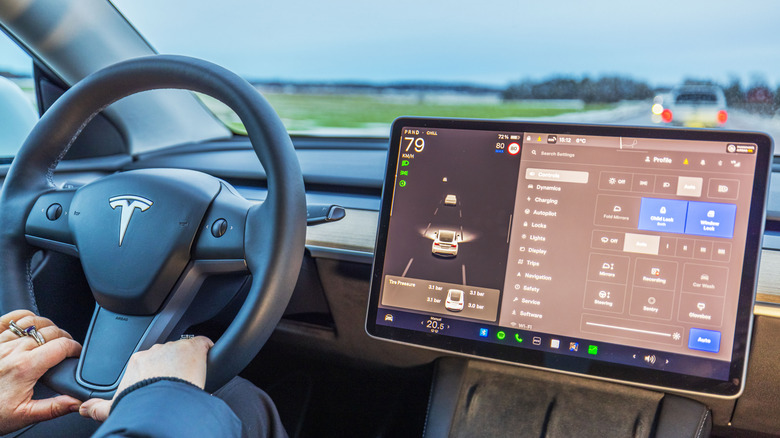
When purchasing a car, most buyers are under the impression that it's a one-and-done deal. But recent car owners know that's often not the case anymore. We're now seeing more and more automotive companies starting to lock existing features behind a paywall, and it's concerning. Gone are the days when you bought a car and the only extra expense you'd face was buying gadgets for maintenance (of course, fuel, insurance, and servicing are all a given). But are the features locked behind subscriptions essential for performance, or simply quality-of-life add-ons? The answer is both.
While many of these subscription-based features are premium add-ons, such as Tesla's Self Driving package for $99 a month, the subscription trend is also shifting towards core aspects such as increased horsepower. Not only does this limit your car's capabilities, but it also allows corporations to control subscription prices as they see fit, ultimately leading to price hikes just to simply use your car to its maximum potential.
Now, the question is whether you're going to be affected by this in the future. While it is possible, there are only a handful of companies, such as Tesla, BMW, and Volkswagen, that have adopted this tradition for now. Plus, most features being locked behind paywalls aren't vital to your daily commute. Before you end up subscribing to an additional add-on, here are the car features that are currently subscription-based, and whether they're worth dropping the extra monthly cash.
The car features locked behind monthly subscriptions

The very first subscription-based feature was introduced by BMW in 2022. BMW required customers to pay a monthly fee of $18 to gain access to heated seats, a built-in feature they quietly locked behind a paywall using pre-installed hardware and wiring during manufacturing. Fortunately, after significant backlash, the company decided to scrap the idea. However, this snowballed the idea of automotive companies introducing subscription-based services. Currently, popular examples of cars with paywall-locked features include Tesla's Full Self-Driving Supervised (FSD) package, Volkswagen ID.3 Pro's increased horsepower, and the 2026 Toyota RAV4's Drive Connect subscription. Even though BMW decided to remove subscriptions for heated seats, customers can now purchase several tiers of the Parking Assistant package to make the BMW iX3 park itself.
It should be noted that these are only some common examples of features currently locked behind paywalls. Other car brands have followed suit with their own set of features. Mazda offers users additional security via its My Mazda app, which allows you to track and communicate with local authorities in case your vehicle is stolen. Toyota has also showcased remote ignition if you purchase its $9.95 monthly Connect+ subscription, allowing you to remotely start the vehicle and manage climate control.
How buyers are reacting to car feature subscriptions
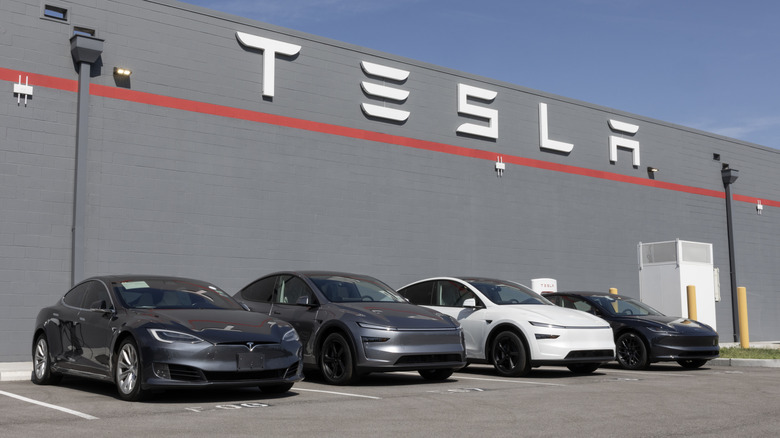
Finding out you can't use certain features that are already built into your new car is frustrating, to say the least, and the statistics show exactly that. In a survey conducted by Cox Automotive, about 75% of people said they were not willing to pay an annual or monthly subscription fee for most features on their next vehicle. When asked about specific features being included in the one-time purchase price, 92% agreed for heated seats, and 89% said yes for remote start, while 87% believed automatic braking should be part of the complete package. But if we look a little deeper into the demographic, there's an interesting generational divide as well. Older customers believe payments should end once you drive off from the dealership, while younger millennial customers are more accustomed to subscription-based services and willing to pay the monthly fees.
Finally, what does this mean going forward? This trend is still up in the air, as New York lawmakers are considering a ban on carmakers locking built-in hardware behind a subscription system, since it costs the company nothing to activate. A subscription-based system also invites hackers to try to bypass the company's security, as they do with other subscription-based services. This could potentially open the door to massive data breaches, which would only aid the argument against having to pay for features already available in your car.