

Your Old Gaming Console Could Be Valuable - Here's How To Check
Consoles are a part of history, and history certainly sells. That means collectors will pay a premium when a console is in high demand or has high value; for example, if it's barely been used, includes the original retail box, and comes with other original manufacturer peripherals, like the cables and controllers. However, it all depends on the platform and demand. While instant store trade-ins, like the nearest GameStop Retro, might sound appealing, they won't always offer the best deals. You can also get second-hand opinions from independent collectors and check auction platforms to see if you can attract niche buyers willing to pay more if you include everything that raises its market value, like the original manufacturer's box, even if it is used.
Pricing may also depend on where you live, so it is worth shopping around on open marketplaces like Facebook Marketplace to see what's available in your area. eBay is also a decent middle ground if you are worried about in-person exchanges. Another good source is local retro shops; they can offer fair value upfront and share tips on what they look for, since these stores are less corporate and often run by collectors themselves. Specific online communities also offer guides to hardware pricing, like "RetroGaming with Racketboy," if you just want a starting point or a reference, like whether it is even worth going through the process.
Choose the right method for selling your gaming console
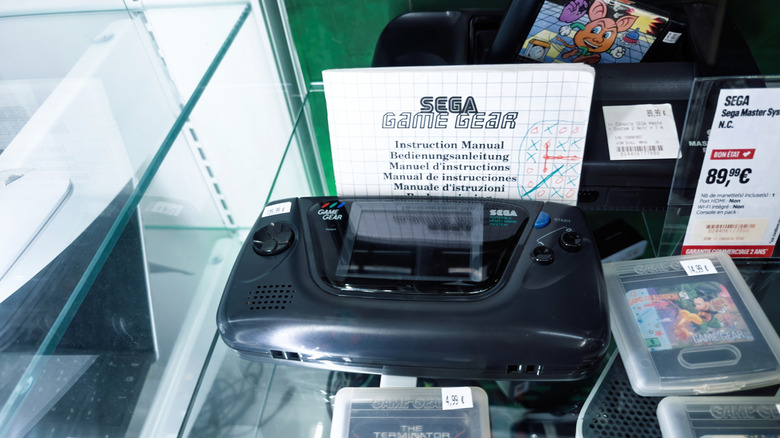
One indispensable resource is an online price history tracker. A solid gaming option is PriceCharting. The platform makes searching easy by separating products by condition, content, and edition. It usually aggregates a product's pricing history for as long as it's been recorded online.
More importantly, PriceCharting helps you estimate your console's value; loose pricing is for consoles without a box and is the most common form. Complete means you have the original box and manual; brand-new means an untouched, unopened set, the most coveted but rarely realistic in the used market (your old gaming systems, if used, will be considered pre-owned). The final main category for selling a console is graded. Essentially, it's a seal of approval, like an appraisal, that buyers like to see when they are paying for something niche and rare. Graded items can be in different conditions and require an extra process (costs money). But if you hope to get the most out of an unused, rare gaming system, grading is usually the best option because it builds buyer trust. If you want to grade your old console, VGA is a popular hardware choice; check VGA's grading guide to understand the price range for each tier and learn more about grading fees and the process.
Which old consoles are worth money?
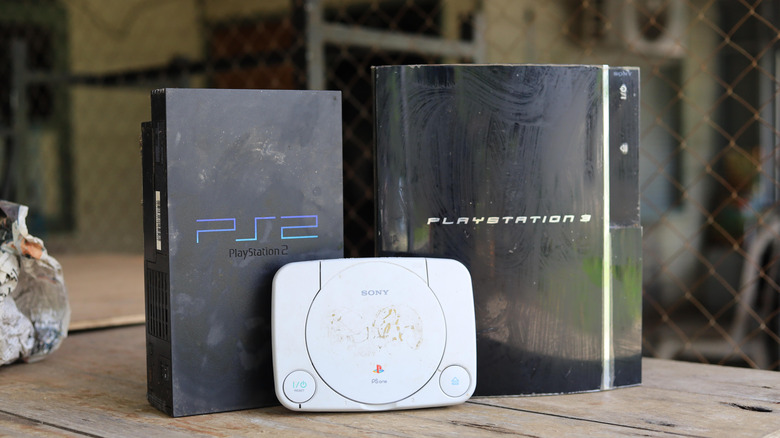
Generally, the older the console, the more it can jump up in price. The model also plays a bigger role in your system's value, especially if the original manufacturer revised it and cut features. For example, a slim PlayStation 3 (CECH-2000 to CECH-3000 series) sells on eBay for around $90; you can find them as low as $70 and as high as $230, depending on what's included and the condition. But compared to the fat launch models CECHA01 and CECHB01, where Sony kept the backward-compatible architecture, those can sell pre-owned for $200-$350. One listing sells it for $2500, brand-new and unsealed.
Limited-run consoles and editions can fetch a pretty price, as well. The Nintendo GameCube had two uncommon editions. The rare Panasonic Q GameCube, which never left Japan, can sell for several grand, depending on its condition. The Japanese Spice Orange edition can range from under $100 to over $300 if it includes the box. The U.S. Indigo and Jet Black GameCube editions sell for much less, unless they are fully boxed and graded.
Video Game Console Library (VGCL) tracks very rare and special-edition variants that are also worth a lot if you happen to be extremely lucky to own one, such as the Nintendo 64DD, which sells between $1,000 and over $3,000 a pop; individual games can be sold for hundreds, or the Sega Nomad (1995), with working units ranging from $150 to over $300, while boxed ones sell for $400 to over $700. The Nintendo Game Boy Light (1998) sells between $100 and over $250 (over $500 for certain limited colors), while the Xbox 360 Halo 3 Legendary Edition and the Star Wars R2-D2 Edition consoles sell between $200 and over $500 for complete, boxed units. There's also the PlayStation 2 Automobile Edition (SCPH-77000), which is priced around $500 or over $2000.