

Illegal Destruction Of 250,000 Trees For A Google Data Center Causes Outrage In Finland
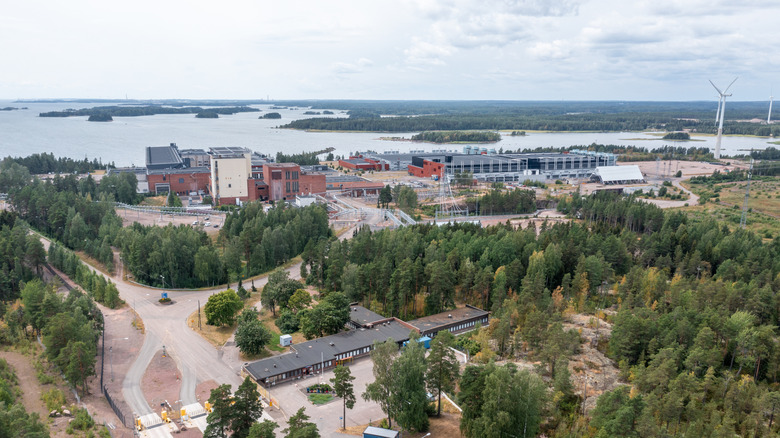
Back in September, Google announced plans to invest €13 billion ($14.6 billion USD) in Finland — the biggest single investment it has ever made in Europe. Now, less than two months later, Google is in trouble with Finnish regulators and police after it cleared an estimated 250,000 trees near Muhos for one of its new data centers. According to reports on the issue, Google acted without first finishing the environmental impact assessments that Finnish law requires.
The forest Google cleared at Muhos was about 330 hectares (815 acres) and the company reportedly took the topsoil with it, so all that's really left there now is mud. Conservationists accused Google of clearing it illegally, and the Finnish Licensing and Supervisory Agency (LVV) ordered Google's subsidiary to stop the work at Muhos and at a second site in Kajaani until those assessments are finished. The Oulu Police Department then opened a preliminary investigation into the Muhos site on October 29. Google's Finland country manager Antti Järvinen has apologized for the clearings but he maintains that Google was following the law as best it understood.
The water at Muhos is a big part of the problem
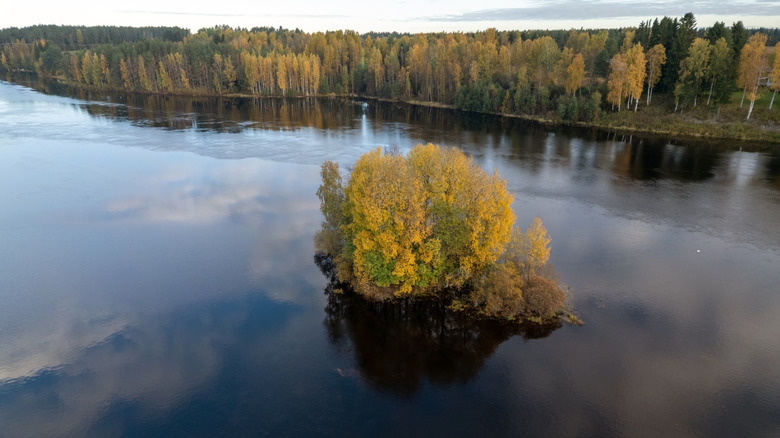
Police say what they've found so far points to what Yle News described as "irregularities and shortcomings in drainage and water management at the data centre project's worksite." People who live near Muhos have seen brown water coming off the clearcut and running into a stream that feeds the Oulujoki River, which is only around 400 meters away. LVV has given Tuike Finland — Google's local subsidiary — until November 5 to turn in a more detailed water plan that deals with heavy rainfall, snowmelt, and the acidic black shale soils in the area. Meanwhile, police say they're hoping to finish their investigation sometime in 2027.
Google cleared a second forest at Otanmäki, a village near Kajaani, and Mari Annala of the Finnish Association for Nature Conservation estimates another 150,000 trees were removed there as well. That would put the total for both sites at about 400,000. Additionally, a family who has lived in Otanmäki for generations say that wolves have started "coming into the village" after the forest was cut down because the animals that lived there "fled" from the noise.
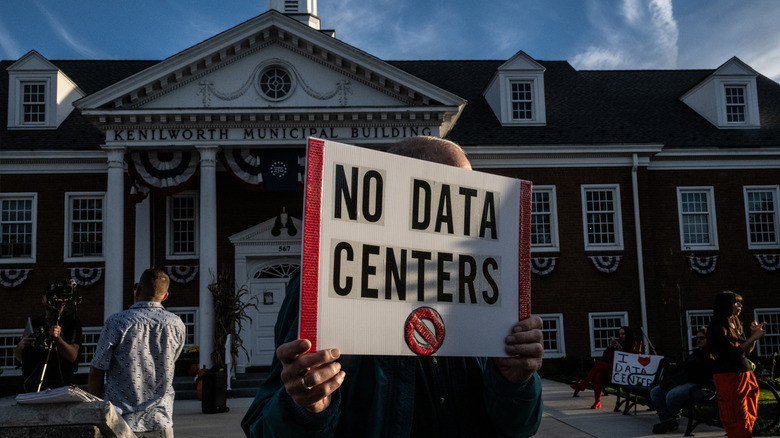
Google says it plans to plant trees across 130 hectares at Muhos. That's less than half of what it cut down there. Conservationists say it's not enough to make a difference. Hanna Halmeenpää, who chairs the conservation group's board, told The Guardian that the thing reeked of "pure arrogance," and more than 96,000 people have now signed a citizens' initiative asking for stricter rules on data centers in Finland as well as a fee to compensate local communities for environmental damage.
Google isn't the only company with data center construction problems
Google's Finland sites aren't the only data center projects to cause problems before they were even finished — Google has had issues in the U.S., too. In September, Virginia regulators cited its Project Peanut site in Chesterfield County after sediment from construction got into nearby streams and wetlands, and Google told VPM News heavy rainfall "overwhelmed" the site's "existing stormwater controls." When people talk about data centers polluting local groundwater it's usually about the ones that are already running, not those still under construction.
Meta had a similar problem in Cheyenne, Wyoming, earlier this year when bacteria from construction at its data center got into the city's reuse water. It took months of cleanup before Wyoming water recycling was finally safe to restart after Meta's data center contamination, and Meta has since appealed the city's violation notice, saying the city hasn't shared all of its testing data. In New Jersey, the company building a data center in Vineland was fined more than $1 million in September for running 62 natural gas generators without a permit.
On the other side of things, though, back in 2022 when Microsoft wanted to remove 2,642 trees from a 33-acre lot in San Antonio for a data center, it asked the city for an exception before making any moves. This was because the amount of trees being removed was greater than the city's tree rules usually allowed. The city ultimately signed off on it and Microsoft agreed to pay $1.47 million into a tree mitigation fund and plant 833 trees around the facility. So there are ways to handle these things legally and above the board.