

Do Data Centers Pollute Local Groundwater?
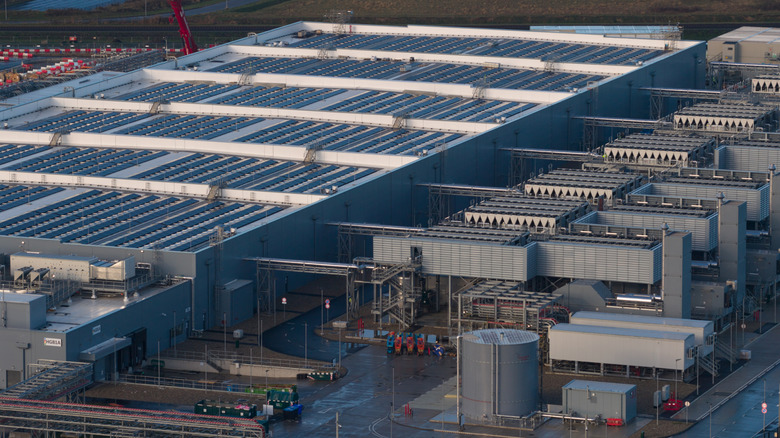
AI development is happening so fast that experts are struggling to measure the exact growth rate. Such a blistering pace of growth comes at a high cost for residents in areas where AI data centers are located. The bump in utility bills is a common concern for locals, and in Georgia, residents are being displaced due to eminent domain as data centers require more space. But at that scale these facilities are being constructed across the U.S. and around the world, it's natural to wonder if data centers pollute the groundwater, and whether they introduce unnecessary pollutants into local water sources. Sadly, it's possible.
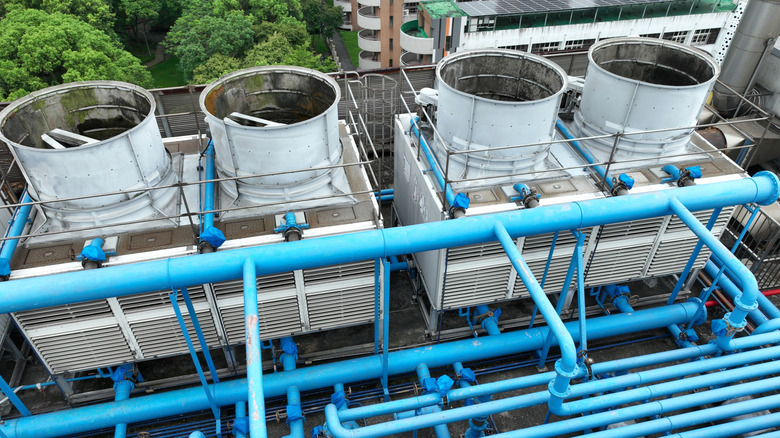
Data centers may reduce an area's water pressure or lower water tables through excessive consumption, but when operating properly, they won't actually pollute water sources. While the risk of worst-case scenario is never zero, there hasn't been a clear-cut case of a data center polluting the local water supply... yet. Data centers use refrigerants and chemical additives — like PFAS, chlorine, biocides, and others — in the water to cool their servers to eliminate limescale and battle corrosion, so a leak could potentially penetrate the soil and contaminate the groundwater. Any leak would be catastrophic.
Is there a cause for concern?
As data centers continue moving into rural areas, more eyes will be focused on water safety. That's exactly what happened in Cheyenne, Wyoming when construction of a Meta data center caused the city's water recycling facility to shut down for months. In this case, the data center did introduce a rare bacterium into the city's water reclamation system, but it was flushed with city-supplied water, the data center wasn't even operational, and no pollutants were introduced to the drinking water.
Similarly, Amazon agreed to pay out $20.5 million in a settlement in exchange for admitting no fault in an Oregon lawsuit over nitrate-polluted water. On the surface, it reads like Amazon trying to hide its tracks, but the tech giant is merely one of the defendants in the case (there are 17 in total), and the groundwater quality was questionable in the past. Amazon and others agreed to settle to avoid litigation costs.
It would be amazing if the troubles ended right there and then, but that isn't likely to be the case. Data centers are expanding at an alarming rate, which will only bump up the water consumption and increase chances of a spill or environmental disaster.