

Why Are Data Centers Moving Into Rural Areas?
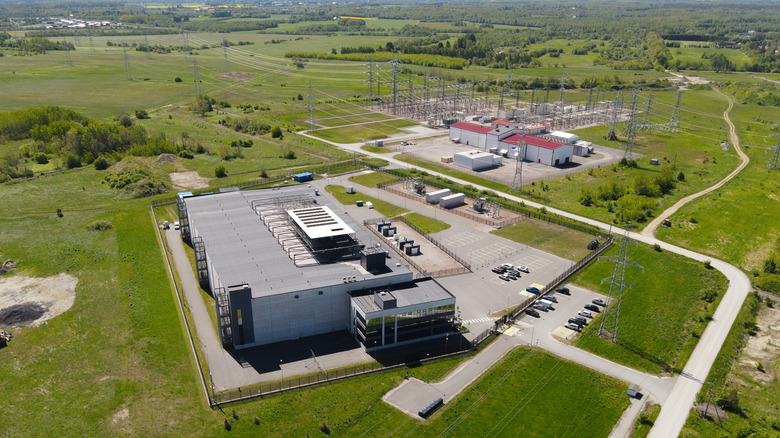
The GenAI boom has sparked a sharp increase of data centers across the U.S. While such facilities were already scattered about, most were in unpopulated areas like the open plains of Virginia. As tech firms continue to seek out readily available land and more affordable utility costs, though, these data centers have begun to encroach upon smaller, rural communities, and the residents of those communities are concerned.
A data center serves various digital and AI purposes, and it requires multiple types of resources, including physical space to house servers and components, electricity to power everything, and water to keep it all cool. Compared to land closer to major metropolitan areas, which are both dwindling and becoming more expensive, rural areas tend to have a surplus of the resources a data center needs at attractive prices. It's precisely this reason why the residents in rural areas have become increasingly worried about new data center developments taking up space, creating environmental harm, and driving up the general cost of living in the area.
Land and resources are cheaper in rural areas
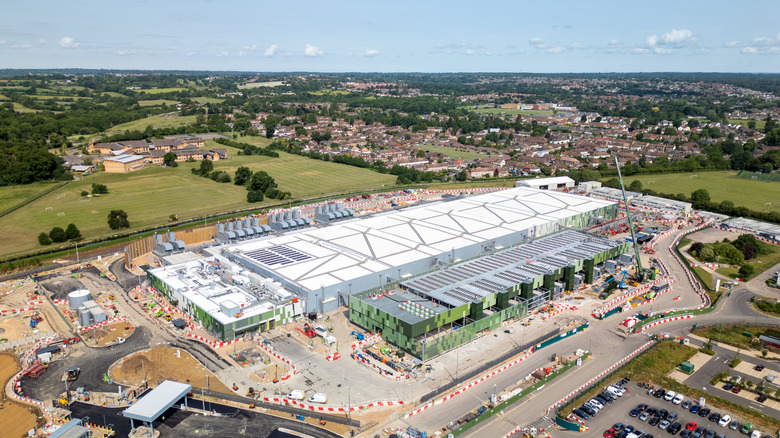
While mini data centers can fit in your backyard, most standalone AI data centers sit on massive, sprawling complexes. In addition to the abundance of servers, this size is required to house other necessary components for running generative AI like GPUs as well as all of the electricity to function and water to keep the computers from overheating. This need for such plots of land has led tech companies and developers to look to less-populated areas in states where land is cheaper.
Most of the primo spots for data centers have either already been taken or are so expensive that nobody can stake a claim on them. However, in the digital age, you don't need to be right next to a center of commerce to serve it. Developers have figured out that you can build a data center anywhere in the country so long as there's a steady internet connection, ample power capacity, and available water, so they've been staking claims in rural communities where these resources are still available and affordable.
The presence of a data center drives costs up
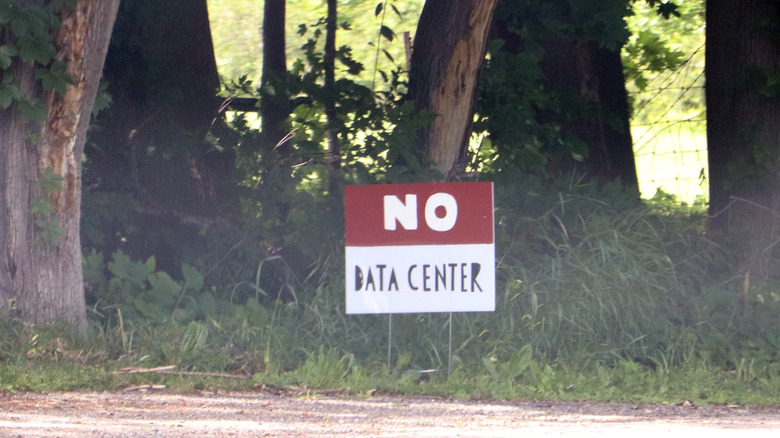
As expected, these rural communities haven't exactly been champing at the bit to invite data centers into their neighborhoods. Prior to the development of a data center, vital resources like power and water are cheap and plentiful, but data centers can consume massive quantities of power, as well as evaporate or foul large quantities of water used for cooling, which both limits residents' access to those resources and substantially drives up their costs. Amazon's data centers alone have consumed over 2.5 billion gallons of water in a year's time.
In addition to resource concerns, the presence of data centers has presented more tangible problems. For one thing, rezoning rural areas for data centers can mean sacrificing viable farmland, which could have a knock-on effect on the size and cost of crops. Additionally, as data centers rely extensively on diesel generators for power, their presence can lead to both a decrease in the quality of local air and an increase in obnoxious noise pollution. Besides being problematic in the short term, concerns have been raised about the potential impact of all of these problems in the long term, both on people and local animal populations, for which there is currently little-to-no concrete data.