

Do You Really Need Smart Home Automations? Here's What You Should Know
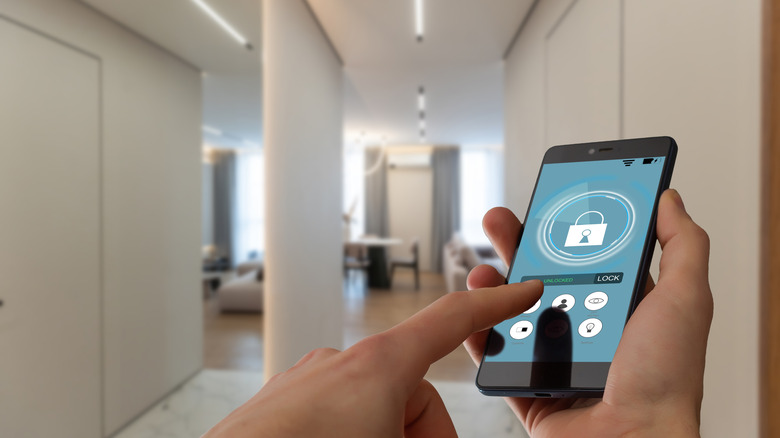
Most any piece of tech can be a smart device nowadays. From a smartphone to a thermostat, there are dozens of items that can be part of your smart home automation system. Being connected is more than just an easy way to control your smart home, it can also reduce energy, cut bills, and make your life more convenient. But, whether you need it or not depends on how and why you want to use it.
You may want to invest in smart home automation to better protect your home and family with a smart home security system, or just the ability to lock your doors remotely. It can be for entertainment, too, and allow you to control your lights, audio, and TV. Smart home automation allows you to not only control your devices while you're home, but also gives you the freedom to set up routines that can turn lights on and off or allow you to remotely look through a security camera to see and speak with anyone who may be in front of it.
You can even control your smart thermostat to help cut down on bills or set the temperature more comfortably when you get home. There are so many smart home automations you can set up, all of which can make life a bit easier. You can keep it simple with just a few devices or create a full automated hub to control several.
The pros of smart home automations
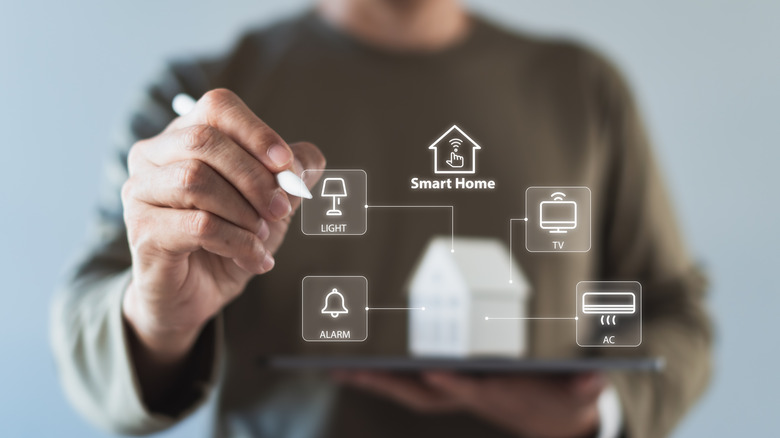
There are multiple benefits to setting up and using smart home automations. If you are looking to add several smart home devices to your home, it can be a worthwhile investment. It's not a difficult task to do by any means, and you can even decide to add on more devices in the future. It's a project you can generally do yourself and you can start small or go big all at once, but it may be smart to start with security.
Security may be one of the largest reasons to invest in smart home automation. By having a smart home security system, you can be alerted if anything suspicious happens in or around your home. You can install cameras on your own and connect them to WiFi and your smart home hub and even view them from anywhere through your smartphone. Many come with two-way talk to chat with a delivery driver or scare off a potential thief.
There are even smart door locks that can automatically lock and unlock when you leave and return. Also, instead of having to worry about physically controlling the thermostat or lights, you can set routines that do it for you remotely. This way the temperature can set itself if it gets too hot or cold in the house and lights can adjust with how light or dark it is.
The cons of smart home automations
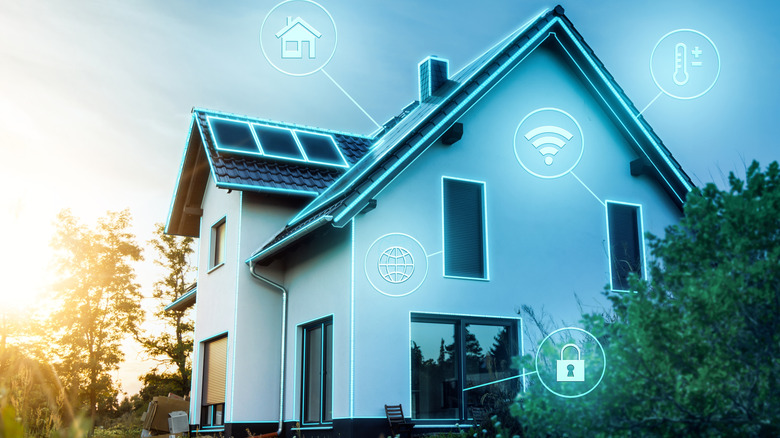
However, one of the most concerning things about smart home automation may be to your wallet. The cost of smart home automated devices can get quite expensive if you invest in multiple pieces of tech to control your home. You will want to consider the cost of each and every smart home device you'll want beforehand, so you can budget accordingly.
Adding a security system, door lock, lights, a thermostat, and more tech can add up quickly and can set you back thousands of dollars. If you invest in Google's Nest smart home automated system, you may be looking at spending around $1,200 — or more depending on price and where you buy the items — for a Nest Learning Thermostat (4th gen), a Google Home Speaker, a Nest Cam Outdoor (wired, 2nd gen), a Nest Cam Indoor (wired, 3rd gen), a Nest Doorbell, a Nest Hub (2nd gen), and Yale Smart Lock with Matter. That's before adding in the price of any subscriptions you may need to pay, as well.
Other negatives of owning a smart home automation system is WiFi. You may need a strong wireless network in order to ensure everything works seamlessly. You will also want to check to see if every smart home device you own can connect to the same central hub. Though, there may no longer be a need for a smart home hub anymore, as you can control devices with your voice.