

Modern Samsung Galaxy Watches Have A Temperature Sensor - Here's When You Might Need It
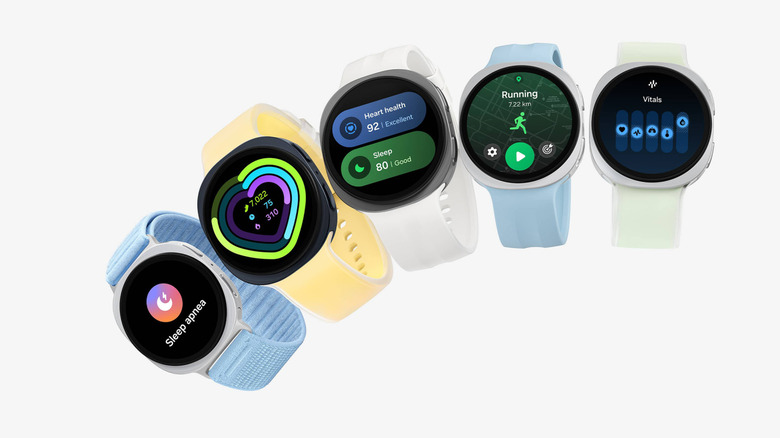
Many people have gotten used to using smartwatches to track various aspects of their health. Besides being able to track things such as step counts, workouts, heart rates, and sleeping patterns, Samsung Galaxy smartwatches from the Galaxy Watch5 series onward can track skin temperature as well, and it might be more useful than you'd expect.
Galaxy Watches that have temperature tracking capability can have a few different use cases, from tracking your menstrual cycle and ovulation to identifying abnormal nightly temperature ranges that could indicate illness or infection, though Samsung says the data shouldn't be used to diagnose health conditions. In addition to skin temperature readings, some Samsung Galaxy Watches can also measure blood pressure to track hypertension, once calibrated with a cuff.
Modern Galaxy smartwatches can be used to track menstrual cycles through skin temperature readings, where basal body temperature increases by about 0.5 to 0.9 degrees Fahrenheit. When used consistently, your Galaxy smartwatch can detect temperature fluctuation before or after ovulation and help more accurately pinpoint cycles.
Also, like other smartwatches, modern Galaxy Watches can track sleep score, but don't put too much emphasis on it because tracking your sleep score with a smartwatch might not actually help, as it can cause unwanted sleep issues in the long run.
How temperature readings can help detect health issues
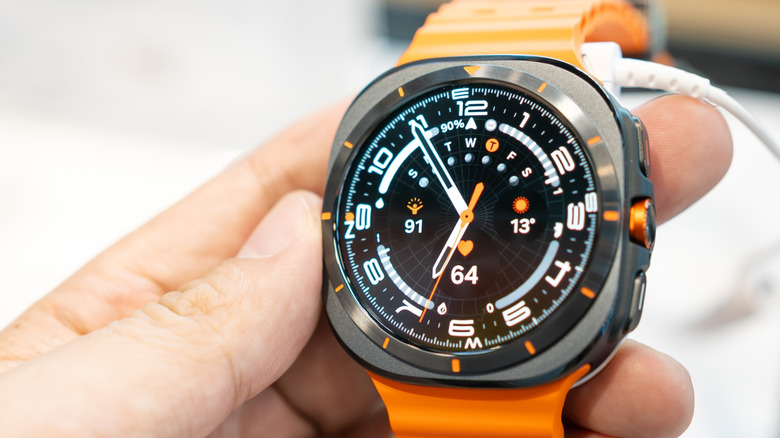
Nightly skin temperature readings can also be used to detect early health warning signs. Research done by Stanford University in 2017 showed that smartwatches and other wearables can detect signs of illness by measuring heart rate, skin temperature, and more.
Smartwatches can detect when health measurements fall outside of normal baselines. Abnormal skin temperature and heart rate readings could indicate infection or even disease. Higher-than-normal readings are linked to increased levels of C-reactive protein in the blood, which is an immune system marker for inflammation. This can indicate the presence of infection, autoimmune disease, cardiovascular disease, or even certain types of cancer.
Other smartwatch readings can also help detect early signs of type 2 diabetes. Wearable devices were able to distinguish between test participants with and without insulin resistance, which is a precursor to type 2 diabetes. Researchers tested an algorithm that measured step counts, daytime heart rate, and differences between daytime and nighttime heart rates to identify participants who were likely insulin-resistant.
The practicality of these measurements was well illustrated when the senior author of the study (while wearing seven different biosensors) took a long-distance flight from the U.S. to Norway. He noticed that the usual increase in heart rate and drop in oxygen levels he had seen on previous flights didn't return to normal after a few hours. Having just spent time erecting fences in rural Massachusetts, he suspected that a tick bite could have infected him with Lyme disease. Tests later confirmed the infection. If constant biomonitoring technology can be advanced and worn on a regular basis, early detection of illnesses can become a very normal practice in the future. Devices like the Oura Ring can already detect blood oxygen levels, which could mean that the industry is not far from delivering this capability to humanity.