

Tracking Your Sleep With Smartwatches Might Not Actually Help - Here's Why
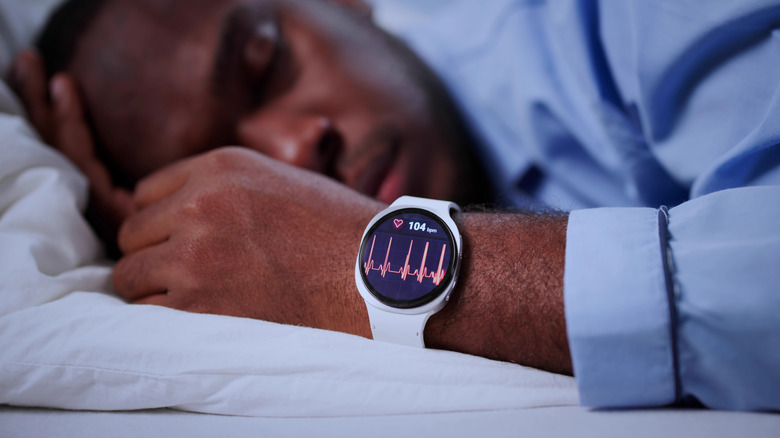
Smartwatches are some of the best wearables for sleep tracking, with many offering a morning report on how well you slept, based on a range of data points. The goal is to help users see where their sleep suffered and areas where it might have improved. However, new research shows that sleep tracking apps like this might actually lead to worse sleep quality, as the user worries too much about how well they're sleeping.
The University of Bergen conducted a survey of 1,002 adult Norwegians and found that 46% had used or were using sleep tracking apps. This usage was more prevalent in the under-50 demographic, and among women. Of those who have used sleep apps, the survey showed that only 29% felt the app helped them prioritize sleep more, while 37% disagreed that the app contributed to improving their sleep.
The real crux of the problem comes from the nearly 18% of users who reported that tracking their sleep patterns with an app or smartwatch actually made them more worried about sleep. The researchers note that this could lead users to become obsessed with trying to achieve a better sleep score. In turn, that could impact the quality of their sleep as anxiety around it grows when their scores don't match up with what was expected.
The dangers of striving for sleep perfection
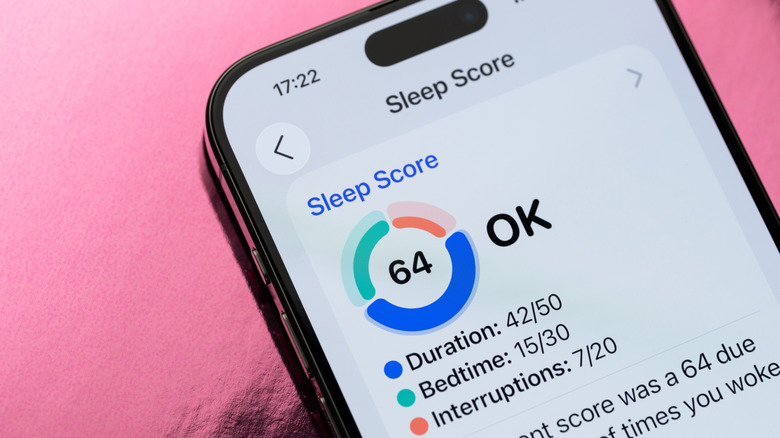
To fully understand the problem with focusing too much on the sleep score your smartwatch spits out, we need to look at research from 2017 that dug deeper into the growing trend of sleep tracking apps. In a study from the Journal of Clinical Sleep Medicine, researchers found that those relying on wearables to track sleep patterns appeared to value the data from their smartwatches and apps over techniques like a sleep study.
Researchers noted that users created a correlation between the fatigue they felt during the day and the data from their sleep apps, leading them to push harder for a higher score. The researchers further highlighted how this pursuit can become an obsession for optimized sleep known as orthosomnia. This condition can affect those already experiencing insomnia, and has the potential to make sleep problems worse in the long run. This is because patients may continue to obsess over their sleep scores, even after other sleep disorders have been treated successfully.
Putting too much stock in sleep tracking data
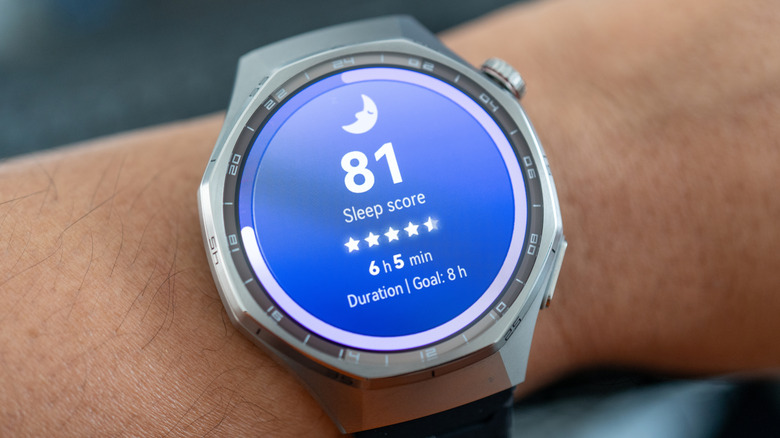
The usage of sleep apps and tracking sleep patterns with smart wearables has increased in recent years, according to a study from 2020. Because of the accuracy issues researchers have seen in sleep trackers, they recommend relying on professionally-sourced data instead of becoming obsessed with what your smartwatch or phone shows. We've seen reports of Fitbit's sleep tracking accuracy being questionable and issues with sleep score accuracy on Apple Watches, too.
While you can fix some of those issues, relying solely on this type of data might lead to longer-term sleep problems. The biggest issue with focusing too much on the results provided by these apps appears to be related to how they interpret sleep data. Researchers say that the trackers may over-emphasize minor sleep data" variations, causing unnecessary worry for the user. As such, those who obsess over getting a perfect sleep score could risk focusing on the wrong issues entirely, or believing they're getting great sleep when they actually don't.