

AMD Just Set An Overclocking World Record With An Unexpected GPU
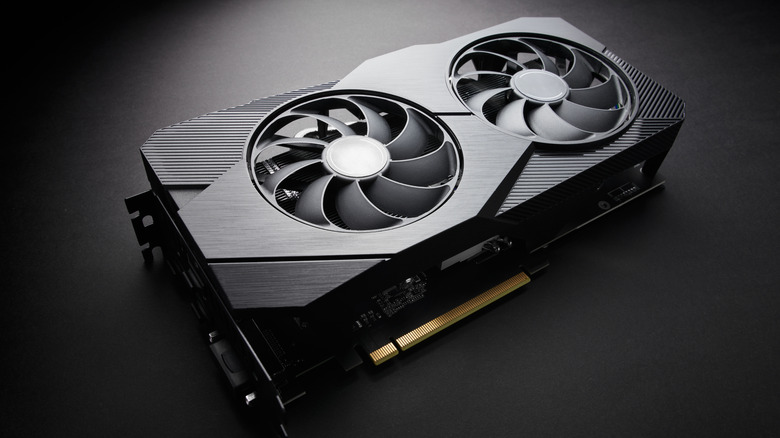
AMD has managed to set a new world record for GPU overclocking, but it isn't one of the company's top-of-the-line graphics cards that you have to thank for the accomplishment. Instead, AMD managed to squeeze an impressive 4,837 MHz out of the Radeon RX 9060 XT, a graphics card that originally launched in 2025 for just $299.
AMD's Jack Huynh shared the news in a post on LinkedIn, where he detailed some of the festivities surrounding the opening of a new Micro Center in Austin, Texas. Among those festivities was an attempt to break the GPU frequency world record, which saw Huynh teaming up with professional overclocker Bill Alverson and other members of AMD's overclocking team. The group even recorded the whole thing, including the moment they broke the previous record of 4,789 MHz.
What's especially interesting about this particular record is that it isn't the first time the RX 9060 XT has been pushed to these kinds of speeds. Alverson and another overclocker known as SoonHo used the same GPU to set the previous record in June 2026. Both attempts are documented in the OC World Record Museum, though neither has been formally validated by a third party just yet.
How AMD managed to get its GPU running so fast
If you've ever overclocked your GPU, then you're already familiar with how much hotter your graphics card can get when you push it beyond its factory settings. Heat is one of the biggest hurdles that professional overclockers have to contend with, and you'll often see them pouring liquid nitrogen into a large metal tube attached to the hardware they're trying to overclock.
That's exactly what Huynh and the rest of AMD's team did with the RX 9060 XT. They removed the cooler that normally sits on top of the GPU and replaced it with a container designed to hold liquid nitrogen. A screenshot from the attempt shows a GPU temperature reading of minus 49 degrees Celsius when the team hit 4,837 MHz, though the actual temperature of the chip may have been even colder than the card's sensors could register.
Another detail worth paying attention to in that screenshot is the fact that the GPU was reporting a load of 0%. We don't know how long AMD managed to keep the card running at 4,837 MHz, let alone whether it could actually run a game at that speed. This is important information to keep in mind, especially if you're looking at buying a factory-overclocked graphics card for your own PC. Being able to reliably maintain higher clock speeds matters far more than just being able to hit them briefly.
Why AMD's RX 9060 XT is so good for overclocking
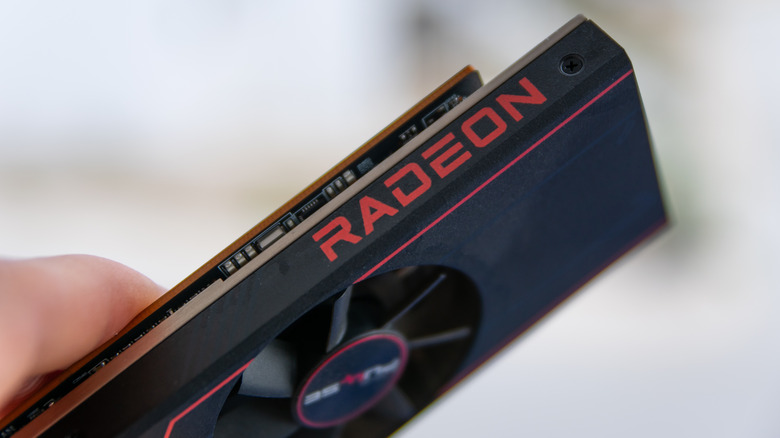
If you're familiar with AMD's current lineup of graphic cards, you might be wondering why the company isn't setting these kinds of records with the more powerful RX 9070 XT. While the RX 9070 XT does offer better gaming performance, the RX 9060 XT actually boasts a higher clock speed right out of the box. AMD rates the cheaper card for boost clock speeds of up to 3,130 MHz, whereas the RX 9070 XT tops out at 2,970 MHz.
A big part of the difference between these two cards comes down to the size of the graphics processors themselves. The Navi 44 GPU found in the RX 9060 XT has just 32 compute units compared to the 64 found in its more expensive sibling. The RX 9060 XT also has a typical board power rating of 160 watts, whereas the RX 9070 XT is rated for 304 watts. Having a smaller, less power-hungry chip can be advantageous when you're trying to manage the additional heat generated by overclocking.
Of course, just because AMD managed to get the RX 9060 XT running at speeds more than 54% higher than its advertised boost clock doesn't mean you're going to see a similar jump in your frame rates. There's a lot more that goes into determining how well a graphics card can run a game, including how much memory bandwidth it has to work with.