

5 Electronics From The 1960s And '70s That Shaped An Entire Generation
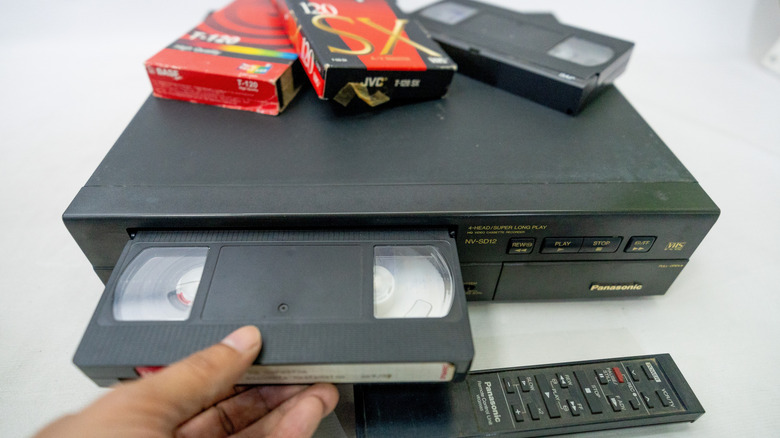
There was a culture lull in America in the years following the end of World War II, but by the mid-1950s, television had become a part of the family and rock and roll was on the verge of creating a new, youth-driven American mindset. These conditions ushered in the pop culture explosion of the 1960s and the more independent nature of the 1970s. TV shows like "I Love Lucy" set the stage for shows like "The Beverly Hillbillies" and "I Dream of Jeannie," while the two decades combined saw the rise of icons like The Beatles and Bob Dylan.
But the 1960s and 1970s also saw technological leaps that contributed to the rapidly changing cultural backdrop. The NASA space program led to everyday gadgets, and in a general sense, electronics were getting smaller and more affordable. The average family could suddenly afford multiple forms of entertainment right in their living room, and communicating from home to home was easier than ever. Many such electronic inventions, from the touch-tone phone to the VCR, are still in use today in one form or another, though it was their initial impact that shaped the lives and daily experiences of an entire generation.
Touch-tone phone
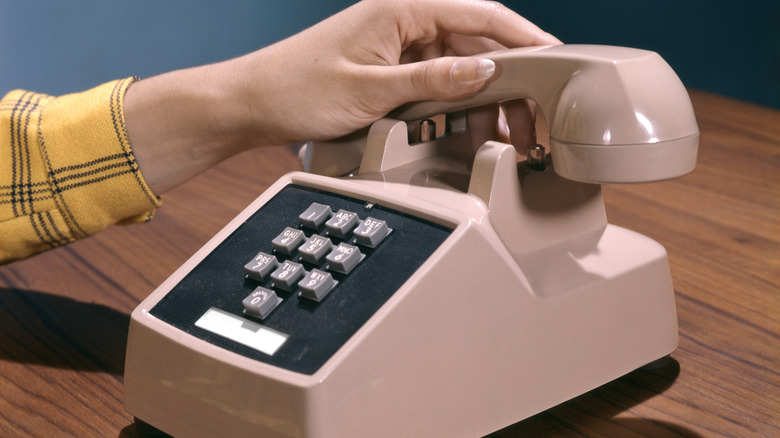
Long before we were ranking the best smartphone brands, the primary form of communication was a landline. The rotary dial was the best phone technology available throughout the first half of the 20th century. However, the circular mechanism used to input a phone number was clunky and slow, and calling long distance required even more patience as a person went through the process of dialing ten digits.
But in 1963 Bell Laboratories introduced the public to the touch-tone phone. It simplified the dialing process down to a matter of pressing buttons in order to input somebody's phone number. Touch-tone technology was also more reliable, as the mechanical rotary system was replaced by dual-tone multi-frequency signals that allowed telephone networks to process calls faster. The first touch-tone phone was the Western Electric 1500. It had ten buttons, and was followed up by the model 2500, which added pound and asterisk buttons.
With the youth explosion in full swing, the touch-tone phone became incredibly popular. Its convenience and reliability made it easier for teenagers to interact without having to be in the same room, but the 1960s also drove the touch-tone phone into various phases of evolution. The technology enabled the development of automated customer service systems and voicemail, for example, and even the mobile phones of today use the touch-tone system for dialing numbers.
Kodak Instamatic
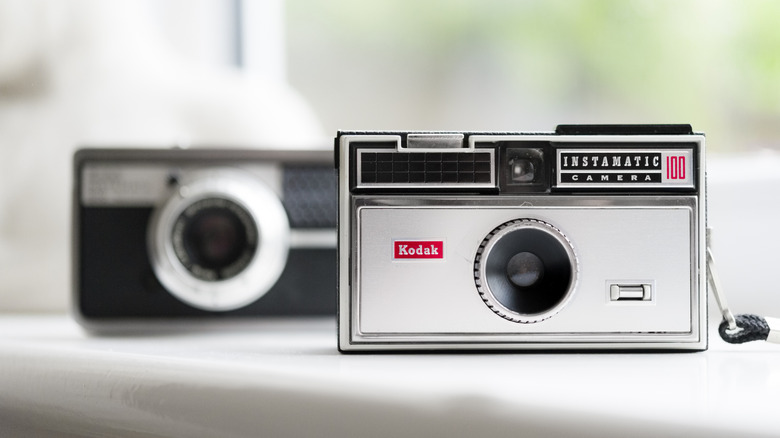
Around the same time touch-tone phones were becoming popular, so too was the Kodak Instamatic camera. The very first model was released in 1963, making photography accessible to an entire generation of amateur photographers. The Kodapak film cartridges it used eliminated the possibility of loading mistakes and created a point-and-shoot photography experience that required no technical knowledge. Photography was suddenly more mobile and more accessible, and young people of all ages were interested.
Before the Instamatic, taking pictures was mostly reserved for working professionals. Older cameras could be large and cumbersome, and even handheld cameras required an immense amount of knowledge and experience to master. The simplicity of dropping in a film cartridge and immediately snapping pictures transformed photography from a deliberate activity into a spontaneous hobby. Anyone who wanted to document a birthday party, a vacation, a wedding, or a beautiful sunset was now capable of it.
Kodak leaned heavily on the popularity of the first Instamatic camera, making later models just as compact, colorful, and fun in spirit. More than 70 million Instamatics were sold by the time the 1970s rolled around, and it remains one of the best-selling cameras of all time.
8-track player
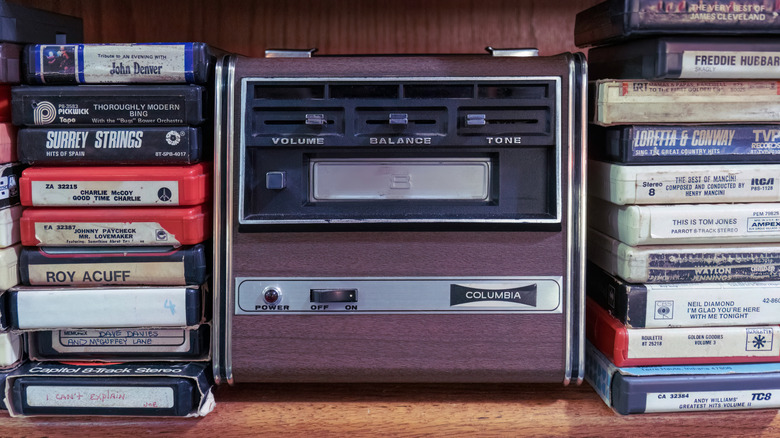
Until the 1960s, music was largely confined to the home. Record players were so large they were considered pieces of furniture, and the only music available in vehicles came through the radio. In 1964, however, the 8-track tape player was developed by an ensemble of corporations that included Lear Jet, RCA Records, and Ford Motor Company. In its 1966 automobile lineup, the latter began offering factory-installed 8-track players as an option.
The technology used a continuous loop tape cartridge that could play up to 80 minutes of music without needing to be flipped like a record or rewound like a reel-to-reel tape. The form factor of the 8-track cartridge was ideal for vehicles, and teenagers across the country went off and running with it. Ford reported it installed 8-track players in more than 65,000 of its vehicles in 1966. Giving drivers the ability to listen to music of their own choosing, the 8-track dominated well into the 1970s.
Cassette tapes would eventually dethrone the 8-track player and its associated cartridges, but not before it kicked off a revolution of musical individualism. The 8-track made music portable and personal, and it paved the way for the cassette tape, the CD, and eventually, digital music streaming services like the recently upgraded Spotify.
Pong

The best video games of today are complex, rich adventures that drop players deeply into the lives of its characters. But in the early 1970s all it took to captivate a generation of gamers was a computerized version of ping pong. The game was called "Pong", and though it may seem primitive by today's standards, it established video games as a potential mass-market product.
The arcade version of "Pong" was released by Atari in 1972. It featured two vertically sliding paddles and a ball against a black screen. Basic beeping sounds were the only audio feedback the game provided, but its simplicity was part of what made it so addictive to a generation of up and coming video game enthusiasts. It was easy to play and easy to get good at, and while "Pong" wasn't the first arcade game to hit the market, video games were still in their infancy, so it was unlike anything consumers had seen before.
Atari would eventually release a home version of "Pong" and the young people who were introduced to it became the first generation of home console gamers. They would witness the release of the Atari 2600 in the late 1970s, and go on to introduce their kids to consoles like the Nintendo Entertainment System and the Sony PlayStation when they arrived in the 1980s and 1990s.
VCR
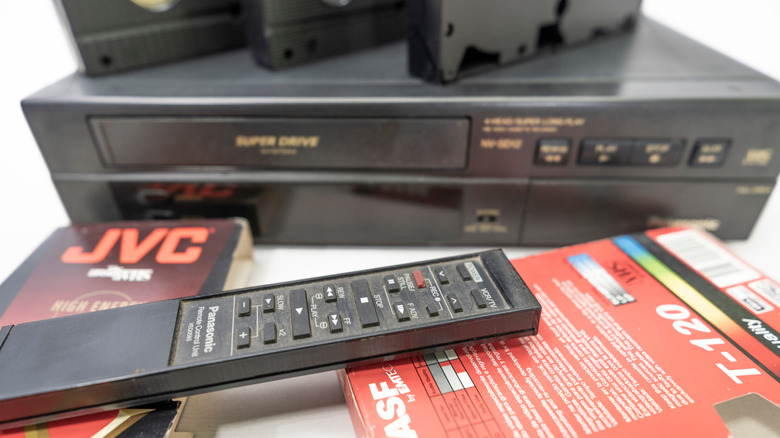
Similar to the way the 8-track player transformed the way we listen to music, the video cassette transformed the way we watch movies, TV shows, and other visual content. With visual entertainment limited to movie theaters and the airwaves throughout the 1960s and the early 1970s, the ability to watch something on-demand was nonexistent. But the Betamax video cassette was introduced in 1975, and in 1976 came the VHS tape format.
The affordability of these tapes gave rise to an already-existing piece of technology, the video cassette recorder, or VCR as it became more conveniently known. A VCR combined with a blank VHS tape gave people the ability to record anything that aired on television, for the first time. Parents could record children's shows for more convenient viewing times, busy workers could record shows that aired while they were at work, and young people could record movies to watch over and over again.
This level of autonomy created the marketplace for a new kind of home entertainment. Movie studios and other entertainment companies utilized the VHS format to distribute and sell their content beyond the original theatrical release. The VCR became a staple of living rooms, basements, kids rooms, and even classrooms. It was the original DVR system in concept as well as a precursor to the current crop of on-demand streaming apps.