

An Internal Battle At Samsung Could Impact The Price Of The Galaxy S26
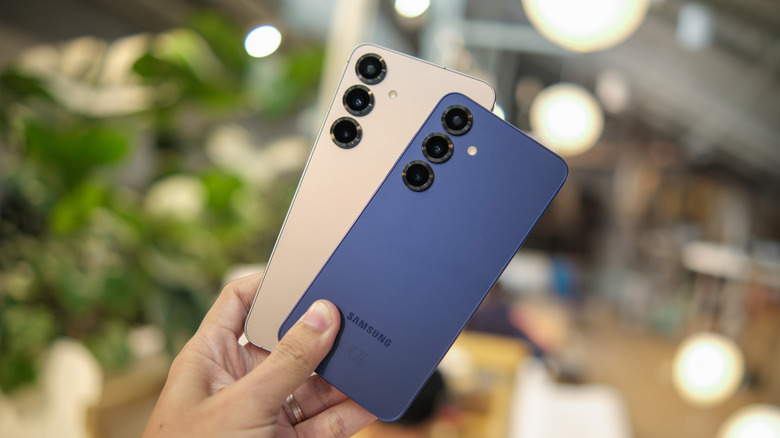
Samsung is expected to launch the Galaxy S26 series in late February. Rumors say Galaxy AI will be a focal point of the show, which is expected of any new smartphone flagship, particularly from Samsung. Samsung unveiled its Galaxy AI platform even before Apple came out with Apple Intelligence. Ironically, while Samsung may want to impress consumers with new AI features, like a Bixby-Perplexity assistant alternative to Gemini, artificial intelligence might also hurt Samsung directly. Following previous reports that memory and storage price hikes will impact the cost of smartphones next year, including flagships like the Galaxy S26 series, a new report from Korea points out an unexpected development for Samsung, which may impact the Galaxy S26 price.
According to SEDaily, Samsung's semiconductor division (Samsung DS) and the Mobile Experience division (Samsung MX) are at odds concerning a key smartphone component — the low-power DRAM (LPDDR) that goes into phones like the Galaxy S26 models and other Galaxy-branded devices. Samsung MX has been looking to sign a long-term contract with Samsung DS, but the latter wants to prioritize what seem to be guaranteed profits from the AI industry rather than ensure that its sibling has access to reasonably priced RAM.
Samsung DS is reportedly focusing on reorganizing its production line to make the most of high-profit products, including high-bandwidth memory (HBM) and the mobile memory chips Samsung MX needs. AI firms also seek the same type of mobile memory from suppliers. The semiconductor division wants to make the most of the memory "super cycle" the AI industry created.
How much will the Galaxy S26 cost?
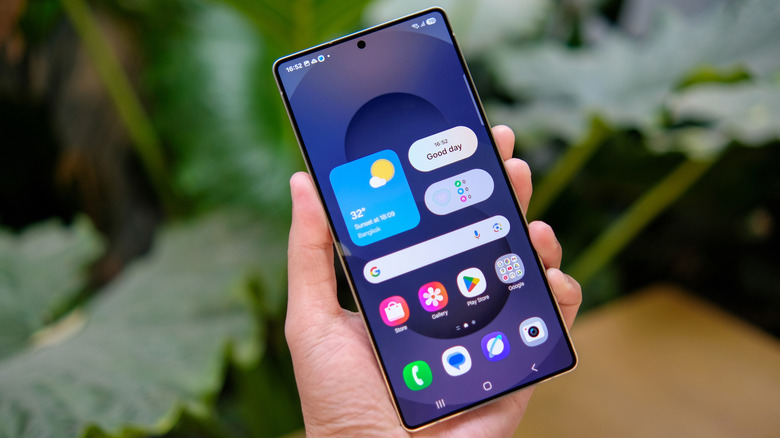
The mobile division is struggling with rising component costs ahead of the Galaxy S26 release. Samsung MX wanted a contract for more than a year, something Samsung DS reportedly refused. The two parties agreed on a three-month contract, which appears to have been the norm between the two Samsung subsidiaries. A longer contract may have helped Samsung MX avoid other memory price hikes. The report notes a silver lining in this complicated dynamic — the two companies agreed on a minimum supply volume for 2026, which should ensure that Samsung MX has access to enough memory chips, even if prices may continue to rise in the coming quarters.
SEDaily explains that a 12GB LPDDR5X module, which can be found in Galaxy phones, cost around $70 at the end of November. The same component cost around $33 in early 2025. Samsung MX has also been dealing with increased chip prices, spending 25% more on processors in the third quarter of 2025 compared to the same period a year prior. The mobile chip usually accounts for 20% of the cost of a smartphone. The memory semiconductors account for 15%. The price hikes impacting the chip and memory business will raise those percentages by about 5% each, according to the report. In turn, Samsung's price strategy for the Galaxy S26 series may change.
The report doesn't offer details about the Galaxy S26 price points. Previous leaks from Korea said that Samsung was shocked to see Apple keep the $799 price point unchanged for the base iPhone 17 model. Samsung wants to hit the same entry price for the cheapest Galaxy S26 model, but price increases are in the cards for the Galaxy S26 Plus and Galaxy S26 Ultra models.