

Is It Ever Safe To Use WD-40 On Electronics?
We may receive a commission on purchases made from links.
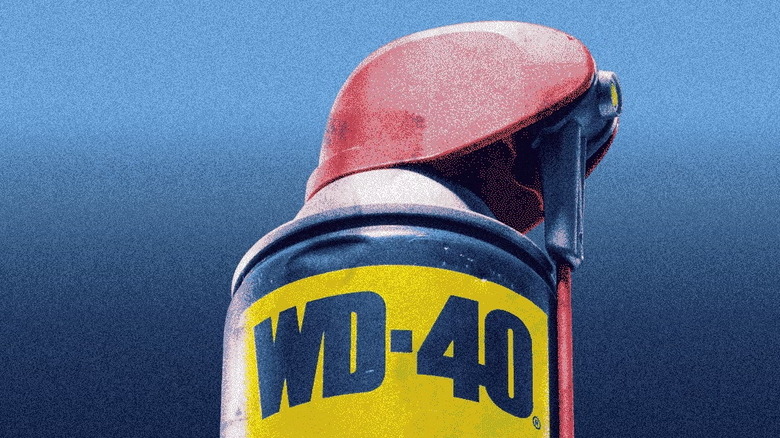
If you've ever needed to unseat a stubborn screw or grease the track of a sliding-glass door, chances are good you've used a can of WD-40 to get the job done. A jack of all trades, WD-40 is commonly used as a lubricating agent, but can also be used to protect against rust, corrosion, and moisture. A useful applicant for home, garden, and automotive purposes, even the occasional tech hobbyist can find various uses for a can of Water Displacement, 40th Formula (the literal meaning behind the acronym).
But DIY computer-builders and vintage radio restorers be warned: the traditional WD-40 Multi-Use Product is not designed to be used on electronics. What's the big deal, you may be asking? Regular WD-40 is highly flammable, and the residue it leaves behind is known to be electrically conductive.
Even if you blast it onto a power supply or exposed circuitry and everything seems fine in the moment, that leftover residue is basically a ticking time bomb. Give it a few days or weeks, and it can trigger a short, fry the entire component, or— worst-case scenario — spark an electrical fire.
Maintenance that doesn't mean malfunction
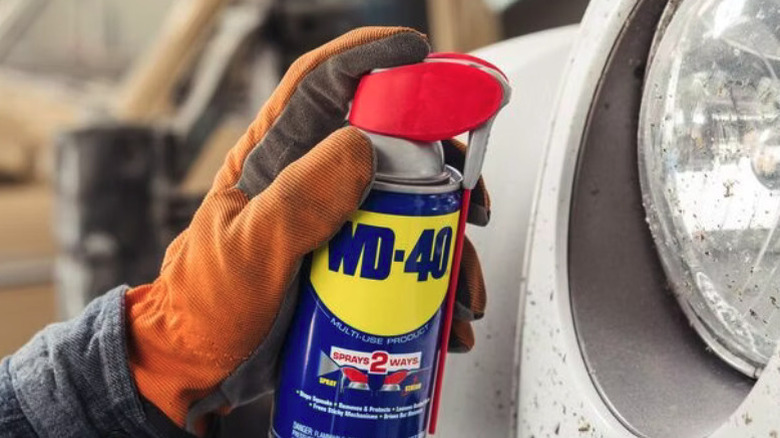
We understand why you may have thought using WD-40 on your tech product was okay — after all, how else are you going to get all that dust and grime off your electrical components? Beyond the fire and electrical hazards WD-40 poses, that oily coating it leaves behind may disturb the dirt you're attempting to clean in the short term, but it can also act as a magnet for future detritus to cling to.
Fortunately, there are numerous products on the market that are designed for deep-cleaning electronics, and one of them is even made by the WD-40 brand. Enter WD-40 Specialist Contact Cleaner, a spray-on applicant that's tailor-made for use with circuit boards, electric panels, and control interfaces. The red precision nozzle lets you spray oil and dirt to condensation in hard-to-reach places, and the product dries quickly and leaves zero residue behind.
Alternatively, you can invest in a bottle of 90% isopropyl alcohol or higher for cleaning electronics. It's generally safe to use because the liquid evaporates quickly and doesn't leave behind any residue. You'll want to steer clear of anything 70% or lower, which is loaded with water, lingers on surfaces, and takes forever to evaporate. Not exactly what you want anywhere near sensitive electronics.
Keep your tech clean without killing it

There are several other brands that produce safe and reliable contact cleaners for electronic equipment, many of which you'll be able to find right on Amazon. This CRC QD Electronic Cleaner is one of the site's top-rated contact cleaners (4.8 out of five stars, based on over 14,000 reviews), and it's designed to leave behind zero residue and is engineered to protect against contact failures.
We know how important it is to keep your electronics dust and lint-free. Our guides on how to safely clean your computer's USB ports and how to deep clean your iPhone emphasize tools like cotton swabs, microfiber cloths, and isopropyl alcohol. All of which are just as effective at removing dirt and grime from a circuit board and other sensitive electronics.
We also have an explainer on how often you should clean your computer, in which we recommend using a soft-bristled brush to dislodge dirt and dust clumps. This is another great accessory to keep in your kit — perfect not just for digging crud out of your laptop or desktop, but for giving all your other electronics a much-needed cleanup, too.