

Should You Use The HDMI Cable That Comes With Your PlayStation 5?
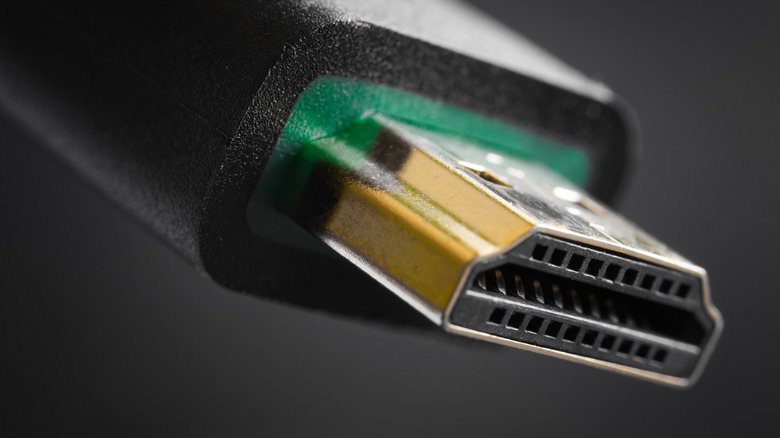
You might have heard mumblings that there are "fake" HDMI 2.1 ports in devices because certain features of the new standard are optional, but not required. That being said, HDMI performance has as much to do with the cable you use as it does the port. The natural response to this is whether you can trust the cables that come with your media devices, like, for example, the HDMI cable that comes bundled with your PlayStation 5. Is it compatible with HDMI 2.1 for high-resolution and high-refresh-rate support, or should you swap it out for another?
The short answer is yes, the PlayStation 5 comes with an HDMI 2.1 cable. This means you can take full advantage of your TV's — and the HDMI standard's — best features. That's particularly important for the PlayStation 5 and PlayStation 5 Pro, because you can use features like variable refresh rate, high-frame rate modes with 120Hz, 4K and 8K output, optimized HDR and color settings, and Auto Low Latency Mode (ALLM). Also, it matters which HDMI port you use in your TV — make sure you have it plugged into the right one, being a port that supports a 4K resolution and 120Hz refresh rate.
Why is HDMI 2.1 important for PS5 players?
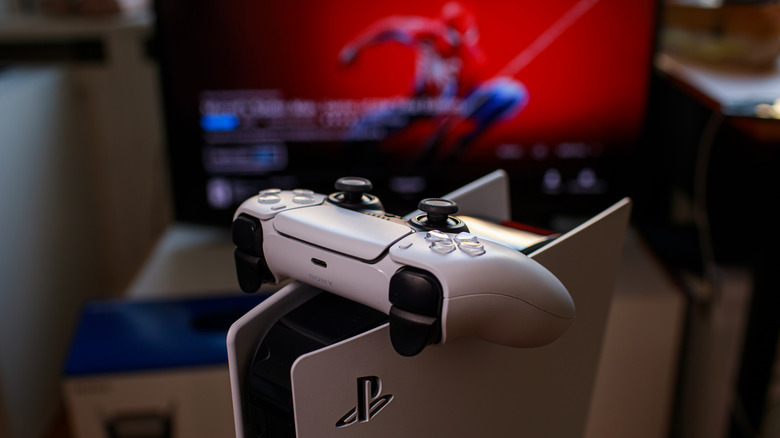
HDMI, which stands for High-Definition Multimedia Interface, comes in several versions or formats, the most common in consumer-grade products being HDMI 2.1. As mentioned, the PlayStation 5 supports some exceptional visual fidelity features over HDMI 2.1, which requires both a compatible HDMI port, on your TV, and a 2.1-compatible cable. The cable that comes bundled with the PS5 will work just fine. You might want to think about upgrading if you need a longer cable, but other than that, there's no reason — unless you're experiencing poor performance or connection issues and you suspect it's a damaged cable.
As for why HDMI 2.1 is important for PS5 players, it all has to do with the next-gen console's visual features. Variable refresh rate allows the smooth motion rates to adjust in real-time, to keep things looking immersive and realistic, and 60Hz to 120Hz refresh rates allow for smoother motion especially in high-action games. Meanwhile, Auto Low Latency Mode helps reduces potential input lag and visual latency to make gameplay more responsive. Other features like 4K and 8K resolution support, HDR, deep color output, an expanded RGB range, and varying video transfer rates adjust your gaming experiences, too — usually for the better. All of these features are supported in HDMI 2.1, and without them, your games simply won't look as good onscreen.