

Hands-On: XGIMI's MemoMind AI Glasses Solve One Of AR's Biggest Issues
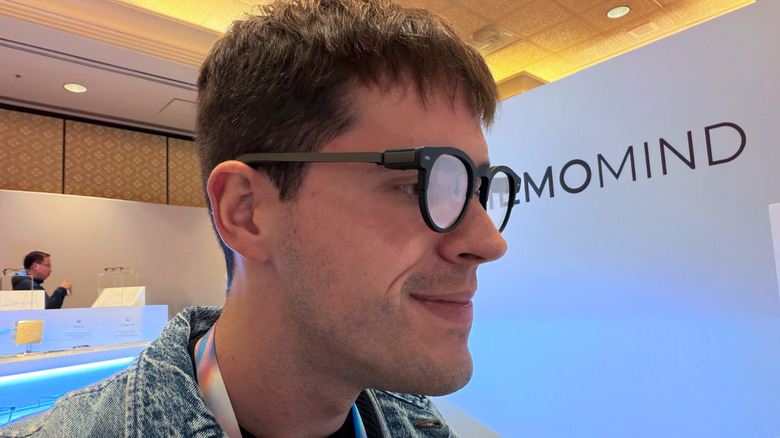
Before CES 2026 begins, the popular Chinese projector brand XGIMI is kicking off the year with a new AI glasses company called MemoMind, in addition to its first batch of wearable devices. Following the AI/AR glasses trend that went mainstream as Meta partnered with Ray-Ban, and has since grown with smaller brands such as Rokid and L'Attitude during IFA 2025, XGIMI is trying to outdo them by combining a cool design, innovative dual-screen technology, and advanced AI. But does it finally make AR glasses usable on a daily basis?
BGR got an early look at the glasses, including a full demo of how they're intended to work, how they currently function, and what's in the store for the MemoMind brand in the coming months. With a design-first approach, XGIMI is announcing these products while soft-launching a new company at CES as part of a "side gig" of its engineers.
 José Adorno/BGR
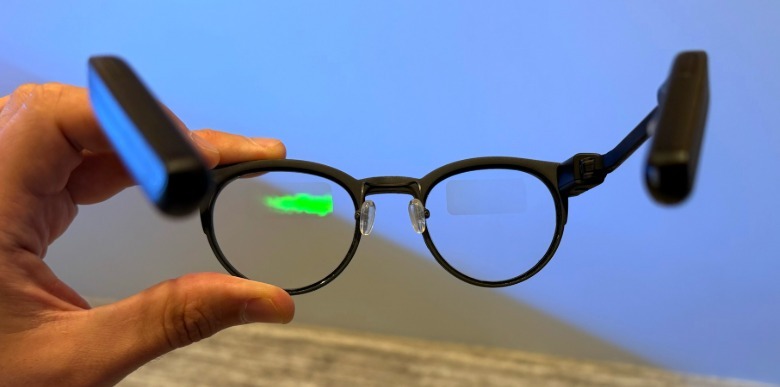
Unlike most projector brands, XGIMI designs its own hardware end-to-end, so it's trying the same approach with AI glasses, including the optics. During IFA 2025, I was able to try Rokid's AI glasses, and the innovative display caught my attention. Still, with a single screen approach, I would cross my eyes to read what was on the display. This "design flaw" has been fixed by XGIMI's first AI glasses product.
Meet Memo One, XGIMI's AI glasses
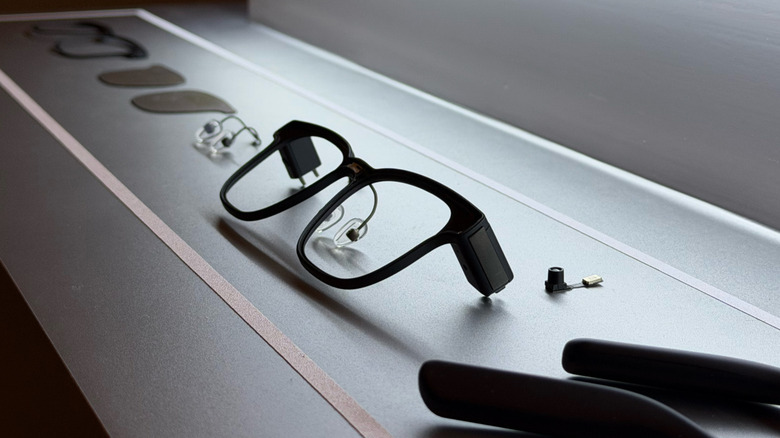
XGIMI tells me that design is at the core of the Memo One glasses. With eight different frame styles and five interchangeable temple designs, the AI glasses will also support prescription lenses and a sunglasses add-on. With that, the company is working to build desirable glasses first that also happen to be powered by AI.
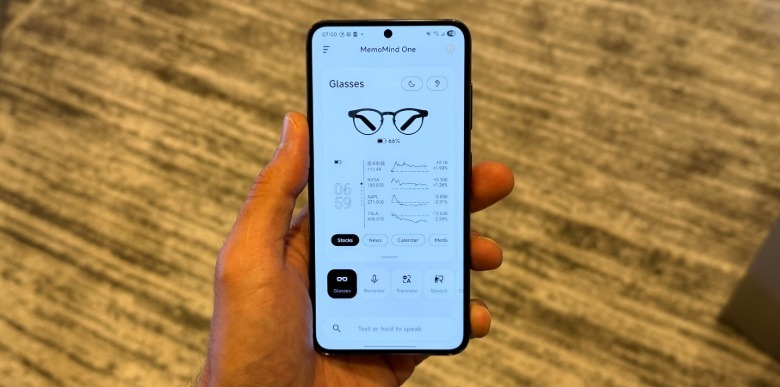
With a multi-LLM hybrid operating system (at first, it will support OpenAI, Azura, and Qwen), the Memo One glasses have a single button. With it, users will be able to navigate through the several features you might expect from AI glasses: starting live translation, the ability to record and summarize conversations, checking a calendar, listening to songs, and reading a teleprompter.
 José Adorno/BGR
I tried each of those features, and live translation is the one that impressed me most. By quickly translating Mandarin to English in almost real time, the only issue is finding the proper balance between offering useful information and not breaking eye contact. There are software tweaks that can improve that, but I don't think XGIMI — or any company — could crack this new layer of interaction yet.
Still, the company is doing it better than the rest of the market. The new dual-eye screen sets it apart from the competition, which uses a square display on a single eye. With two wider screens for both eyes, the text looks sharper and brighter, ultimately making it easier to read what's in front of you.
MemoMind's future plans
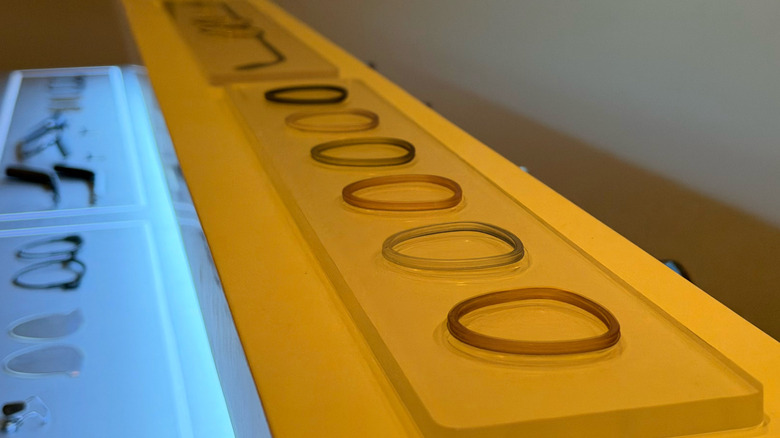
With a release date expected in the second quarter of the year and a price point starting around $599, the company also plans to release the Memo Air Display at a later date, which will be a less expensive pair of AR glasses with a more traditional eyewear design. These glasses will lack the built-in speaker of the Memo One and will feature a single display instead of two.
What's interesting about XGIMI's new AI glasses is that the company isn't adding a camera to any of the first batch of wearables. For many consumers, the camera has been the primary draw of smart glasses. Instead, the company is entirely focused on making the AR experience reliable, fast, and comfortable.
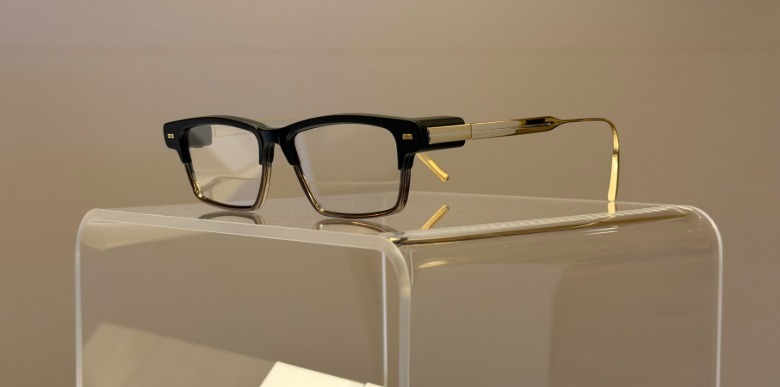 José Adorno/BGR
For example, MemoMind's displays only stay on while in use. After you finish a task, the AI glasses just become regular glasses. With that, the company can promise big numbers for battery life, with up to 16 hours of usage. While XGIMI's success in the AI glasses market is yet to be seen, the company is not alone on its quest to find a viable market for smart glasses.