

Here's What NASA Sees For The Future Of Space Exploration
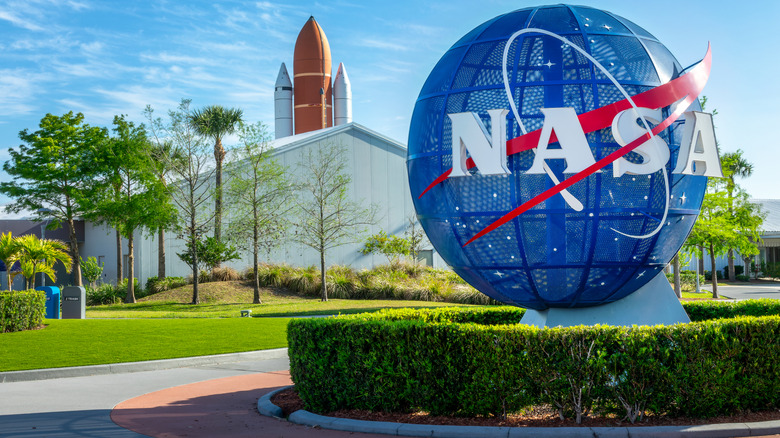
NASA's new chief – Jared Isaacman — the youngest to ever hold the position, sat down with a reporter from NBC News to discuss the agency's future, particularly plans for space exploration. He had some pretty interesting things to say, but most notably, he outlined what the next few years are going to look like. In the short term, he emphasized being in "information gathering mode," learning all he can about the agency's current operations, hosting town halls, and finding ways to support NASA teams. "I have two overarching goals to help NASA achieve its world-changing missions of science and discovery. One, make sure we're concentrating all of our resources on the needle-moving objective, and two, empower the workforce."
Isaacman knows that the "best and the brightest in the nation come to NASA because they want to change the world," and his ultimate goal is to find ways to support that. But he's also looking forward to the lunar missions and actually establishing a presence on the moon. That will help drive forward space research and potentially open up opportunities for access to rare minerals and materials — Isaacman lists Helium-3 as an example. He also says that having a lunar base and figuring out lunar and orbital economies are key to "having that sci-fi future we all want."
What does NASA have planned next?
As NASA's Artemis II Moon mission – the first crewed mission to the moon in 50 years — prepares for takeoff, it's evident the agency is preparing for that "sci-fi" future Isaacman talks about during the interview. From everything we know about Artemis II, four astronauts will fly around the moon and back, which will be a step closer to Artemis III, the mission that will see astronauts landing at the lunar South Pole.
NASA explains on the public Artemis III page that this is one of the "most complex undertakings of engineering and human ingenuity in the history of deep space exploration." Observations made by the astronauts, samples collected, and data gathered will help us further understand the local solar system, our home planet, and, of course, the lunar surface. After landing, two astronauts will spend approximately a week near the South Pole. It could potentially teach us a lot about future missions, even those planned to visit the Mars surface.