

AI Data Centers Are Causing These 4 Items You Use Every Day To Skyrocket In Price

Artificial Intelligence (AI) has become woven into our daily lives as more people adopt it. According to OpenAI's analysis of over 1.5 million conversations, many people are relying on ChatGPT to complete everyday tasks. To say that AI adoption has grown since the release of ChatGPT in 2022 may seem like an understatement, given that OpenAI's chatbot alone receives over 2.5 billion requests per day. Thanks to the meteoric rise in AI usage, both for personal use and for continued adoption by businesses, companies are splurging cash on AI data centers to ensure their infrastructure keeps up with demand.
Morgan Stanley, a key financier of the AI race, estimates that a whopping $3 trillion will be spent on AI data centers between 2025 and 2029, with about half of that cash being used to procure the actual AI-capable hardware. But this rapid growth and need for AI-focused data centers have resulted in an unprecedented supply-and-demand imbalance in the global semiconductor ecosystem, leading to a shortage of memory chips as major companies that make RAM, such as Samsung Electronics, SK Hynix, and Micron Technology, prioritize the kinds that are used in AI data centers.
If you've been keeping up with the tech news, you've probably seen how crazy RAM prices have become. But if you think that a memory chip crunch only means computers will rise in price, think again. The current RAM shortage will affect not only your next-door PC gamer. It might also increase the prices of other items you rely on every day.
1. Laptops and PCs
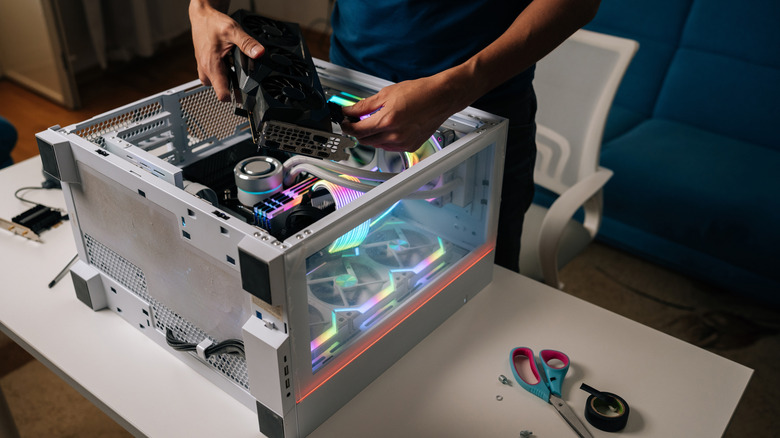
One of the first everyday gadget categories to be affected by the ongoing memory crunch has been desktop computers, due to skyrocketing component prices. One of the hardest hit components has been RAM. RAM prices rose sharply toward the end of last year, with users airing their frustrations online about how the RAM they purchased a few weeks or months ago is now selling for double the previous sticker price or even more. An analysis by the German site Computer Base, which has been actively tracking the price changes of some popular DRAM kits since September, provides a comprehensive picture of how much memory chips have increased in price.
The site found that the average price increase was 344%, more than triple the initial price in September 2025. The cost of SSDs and HDDs has also risen and continues to rise, with the actual estimates varying depending on where you look. Computer Base, for example, estimates that the average price of popular SSDs and HDDs has increased by 74% and 46%, respectively.
CyberPowerPC, a PC manufacturer, estimated that SSD prices had increased by 100% and adjusted the prices of its builds in December 2025 to reflect this. GPUs have also been affected, and together, this trio is causing the price of PCs to rise. IDC estimates that PC prices will rise by up to 8% this year, although some manufacturers, including Lenovo, Dell, HP, Acer, and ASUS, have warned of price increases of up to 15%-20%.
2. Smartphones
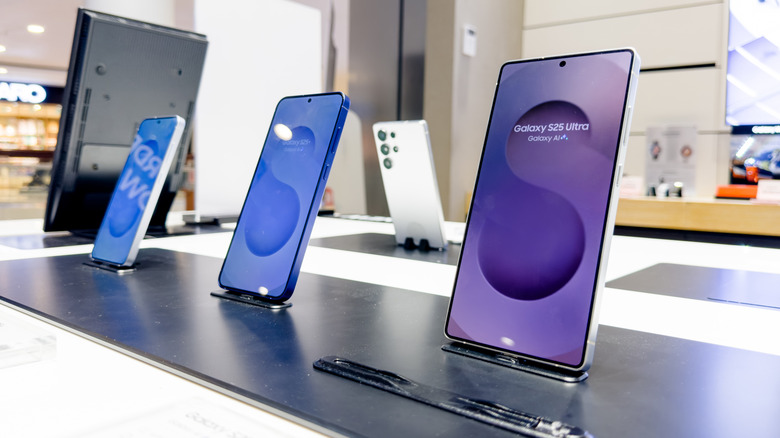
Smartphones are a kind of personal computer. The only difference with your full-sized desktop PC or laptop is that they're optimized for portability. The RAM shortage has already affected GPUs, RAM, HDDs, and SSDs, and just like PCs, your next smartphone might not be an exception. According to analysis firm Counterpoint Research, the bill of materials (BOM) for entry-level phones rose by 20-30% in 2025, while the mid and high-end segments saw a 10-15% jump. That has led companies to implement cost-cutting measures, such as downgrading certain components or reusing older ones.
The firm also reports a decline in entry-level devices and expects a 6.9% increase in the average selling price of smartphones this year. Similarly, IDC expects smartphone costs to rise this year by up to 8% due to the strong correlation between phone cost and memory usage—the firm says memory can account for up to 20% of the total BOM. But it's not just analyst projections that are spelling doom for smartphone prices this year.
Nothing CEO and founder, Carl Pei, shares the same sentiments, according to a recent article he published on X (formerly Twitter). Nothing CEO says memory prices have surged by as much as 3x due to the high demand from AI infrastructure and could become the "single largest cost driver in the bill of materials by year-end." As a result, he expects phone manufacturers to bump prices by up to 30% or downgrade specifications. For Nothing, Pei says they'll have to increase prices this year. So expect to pay more for your next smartphone, especially if you're planning to get one from Nothing.
3. Cars
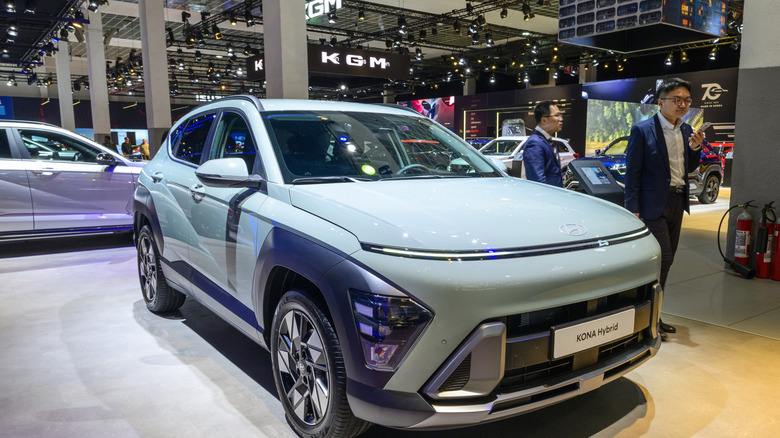
Yes, the memory chip shortage is also expected to affect cars. Like smartphones and desktop PCs, modern cars also require memory chips. Automakers use memory and storage in vehicles, and these chips are at the core of the tech-focused innovation ongoing in the industry in the form of self-driving systems, digital gauge clusters, over-the-air updates, and driver-assistance technology, such as lane-keeping assist and adaptive cruise control.
As the memory shortage continues, vehicle production may be delayed, as we saw during the 2021 chip shortage, which drove up prices for both new and used cars. According to S&P Global research, the RAM shortage could strain the automotive supply chain and increase the production costs of vehicles that require more memory chips, such as high-end trims or those with Advanced Driver Assistance and Autonomy systems.
The firm notes that "this does not translate into an immediate chip shortage but rather into tighter allocation, longer lead times, and higher pricing pressure." If the shortage persists, it may not have an immediate impact on prices, but it could have negative effects in the long run.
4. TVs
RAM is an essential component in TVs as well, and due to the ongoing shortage matched by high prices, cheap smart TVs might not be as common. Speaking to Reuters, Samsung Electronics co-CEO T M Roh acknowledged the ongoing memory crisis, calling it "unprecedented" and stressing that "no company is immune to its impact." Roh says the shortage will affect several consumer electronics categories, including TVs.
In a separate interview, Samsung's president Wonjin Lee told Bloomberg in January that RAM "prices are going up" and the company is "going to be at a point where we have to actually consider repricing our products." That's a significant statement, given that Samsung is the largest DRAM manufacturer.
However, it's unclear by how much TV prices might actually rise in 2026, as the sticker prices of new sets are typically revealed in March and April. But according to research firm Omdia, the RAM used in TVs has risen in price by 50%, and the company expects that hike to affect prices in 2026, especially since the average BOM for smart TVs is already up.