

5 Smart Home Upgrades That Are A Waste Of Money, According To Users

The smart home gadget market is crowded with technologies designed to make users' lives simpler in various daily aspects. Whether they're used for automating a room's lights or for controlling all electronics on a property with the help of virtual voice assistants, numerous options exist to make life easier.
On the other hand, some upgrades end up being a waste of money simply because they are not worth the added technology cost. These items usually have a price well above what you would pay for a standard version, and according to users' feedback, many of them fail to deliver real value, making features that seem revolutionary from the outside become quickly irrelevant after use.
Some smart home owners might find utility for these products, but for the vast majority of the public, the best course of action is typically to save money and buy other devices that actually make a difference. In practice, their cost rarely justifies the benefits they provide.
Smart fridges
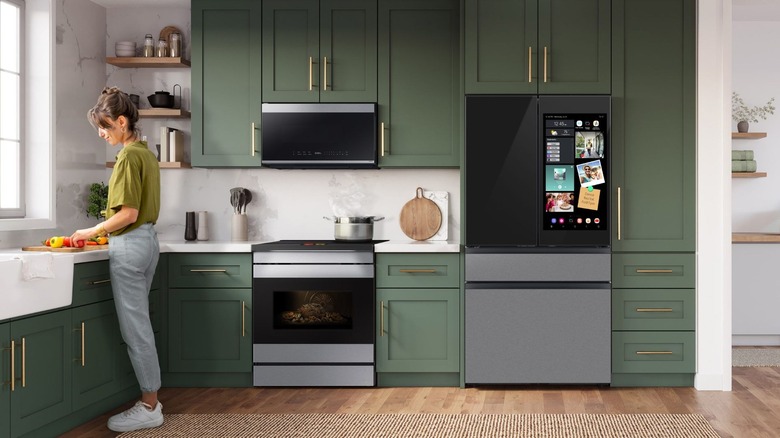
The idea behind a smart fridge is interesting, since it comes with connected functions beyond food preservation capabilities. But it is often a waste of money because of the disparity in the expected life cycle of an appliance versus the technology it houses, as one is made to last over a decade, while the processor and online functionalities can age much faster.
Some users also complain that the software might stop receiving updates long before the device stops functioning as a fridge, resulting in an appliance without its smart functions. Furthermore, features like internal cameras also tend to fail with daily use. Although the feature is somewhat useful, the user's field of view of the refrigerator's interior might be obstructed by objects covering the lens, causing these functionalities to be forgotten over time.
Ultimately, the best way to not waste money in your kitchen is to forget about smart fridges and invest in a standard one that better fulfills the function of cooling and maintaining food quality for longer without carrying the additional cost of unnecessary technology.
Smart washing machines
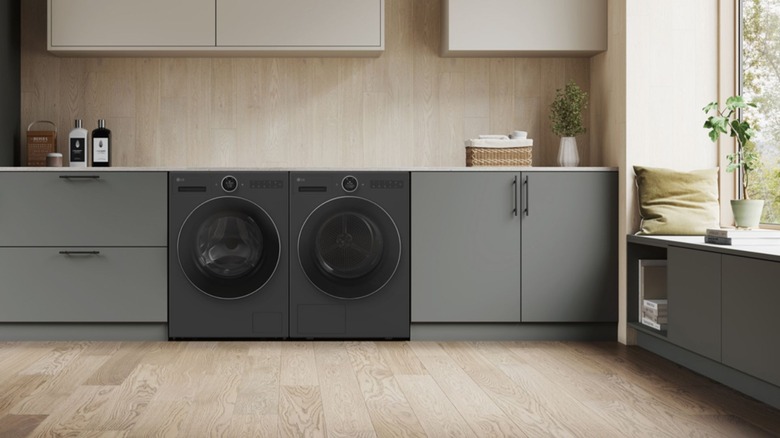
Many consumers say that smart washing machines rarely justify their higher price, even when they offer convenient features like cycle completion notifications. This kind of function is nice to have, especially in houses where the laundry room is located far from the living area. However, the cost of having this convenience is usually not worth the appliance's price, making it a waste of money.
For those wishing for a similar experience, cheaper alternatives exist that can send a notification when a cycle ends, such as buying a smart plug to save money and configuring it to warn the user when the washing machine's energy consumption drops. You may even go DIY and build your own Raspberry Pi project that sends you laundry cycle alerts. This trick can work with other appliances like dishwashers or garage doors and costs only a small fraction of the price of a smart model upgrade.
Another problem that smart washing machine owners may face in the long term relates to device maintenance, as the repair cost for these items, especially when out of warranty, can rival the cost of buying a new one, according to owners. Even if it comes with interesting functionalities, it's important that the user considers these details before deciding whether buying such appliances for their smart home is worthwhile.
Smart toaster
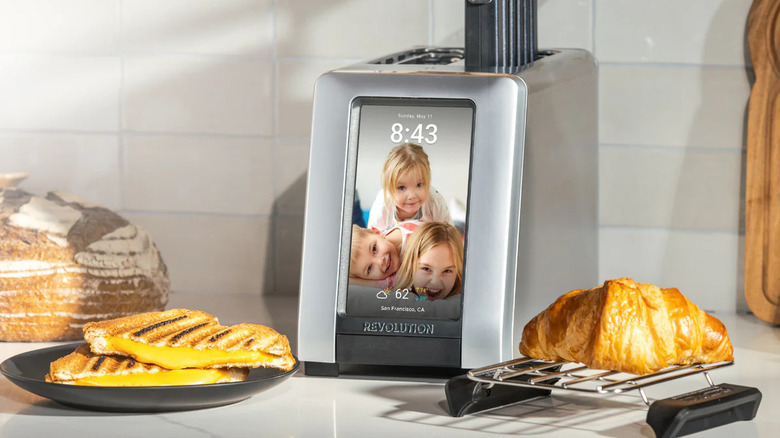
Even though it's less expensive than other smart home products on this list, smart toasters also rank among gadgets that don't justify their price tag. Despite packing a few interesting functions and extra features for people who like customization, users also say that smart toasters don't do anything extraordinary where it matters most – delivering better toast.
In addition, a conventional toaster can perform many tasks that a smart one can. The touchscreen interface can also add a bit more delay, even if it feels superficial, to a task that should feel instant, since navigating menus can take a bit longer on smart toasters. Another issue with smart toasters is that these products generate a huge amount of heat in a short time, so adding more electronic components to a toaster can increase the chance of failure.
For anyone who wants to upgrade their smart home with new gadgets, the wiser alternative involves buying products that offer more value and connect spaces better on their network.
Smart vents
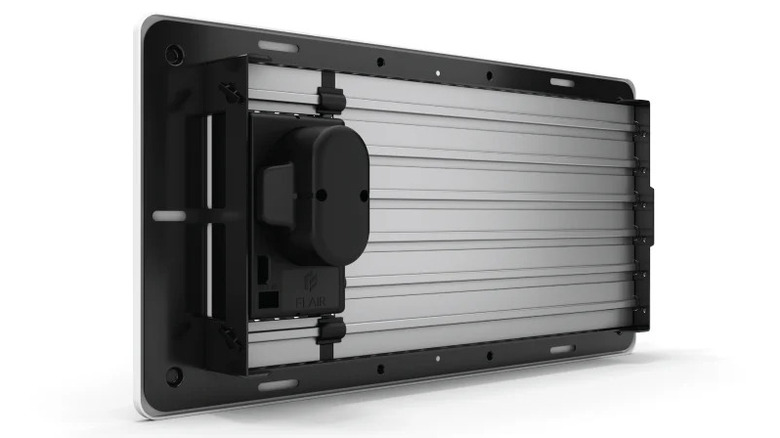
One of the main problems with a smart vent is that it promises efficiency and comfort for the home, but it often fails to address the root of the problem. Many users report that these items don't solve the problems related to their HVAC system, such as air leaks, poorly sized ducts, and insufficient returns. So automating the opening and closing of vents tries to compensate for that issue only artificially.
Even when they deliver results, the gains typically stay modest. In many cases, the corrected temperature difference is small, while new inconveniences appear, such as noise during operation, compatibility issues with existing ducts, and apps that feel nonintuitive. In addition, integration with some smart thermostats can create contradictory behavior, and you might need advanced automation or frequent manual adjustments for the system to work as expected, which goes against the simplicity smart homes promise.
In addition, the price you'd have to pay per unit, additional sensors, and, in many cases, hubs or cloud services can add to the cost. Considering the limited return, it makes more sense to apply that money first to more fundamental solutions for the home's structure, such as HVAC balancing or thermal sealing, which offer more consistent results than using smart vents in your home.
Smart kettle
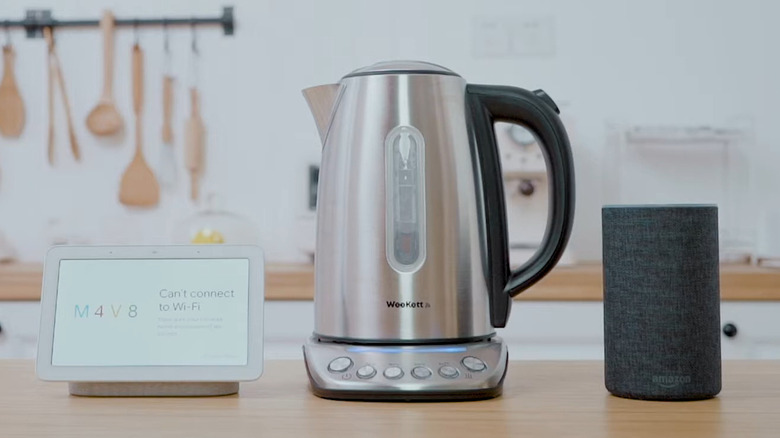
A smart kettle is one of those smart home products that draws attention more for the appeal of automation than for the practical benefits it delivers on a daily basis, as it still comes with a few limitations. User reviews often point out that smart kettles save very little time in practice, since the appliance still needs to be filled manually before use and once that step is done, starting a traditional kettle usually takes no more effort than pressing a physical button.
Additionally, if someone fills the kettle for the next morning, the time saved usually stays minimal, since the few minutes of waiting can often line up with performing other routine tasks in the kitchen. Even if smart kettles find an audience within a niche, mainly among people who need an ideal temperature for their coffee or tea, they often remain a poor investment for most smart homes.
How we ranked these upgrades?
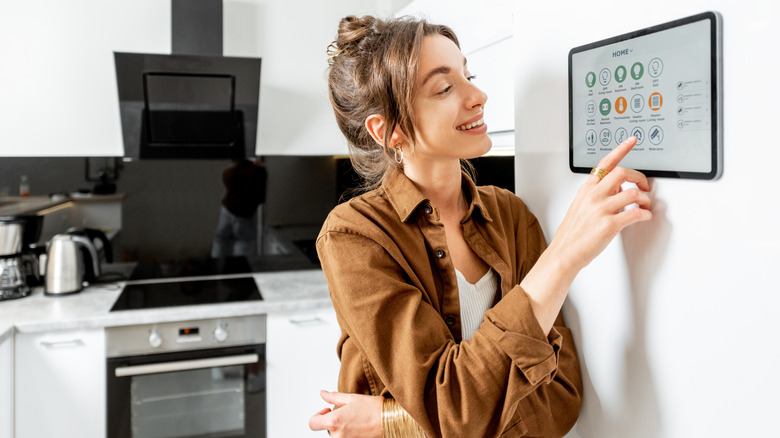
There are many smart home gadgets that look cool and seem like must-haves at first. To organize the products on this list, we looked for a wide variety of opinions on the internet, especially from users' own feedback. Reddit posts and comment threads served as our primary source, and we looked at common smart home categories, like kitchen devices, but we also searched for lesser-known options that came up in user discussions. To make our choices more consistent, we also prioritized patterns that appeared across multiple posts, especially complaints tied to price, few real upgrades compared to their standard versions, and how all the smart features were used.
In cases where users' experiences were heavily dependent on installation quality, like with HVAC systems, we also considered whether the product seemed to solve a real root problem or merely added complexity to the issue. This list isn't the definitive version by any measure, however. Some of the smart home gadgets that we mentioned here can be worthwhile in the right household, but these picks are most often described as unnecessary for most homes.