

Android Users Should Be Excited For The iPhone Fold - Here's Why
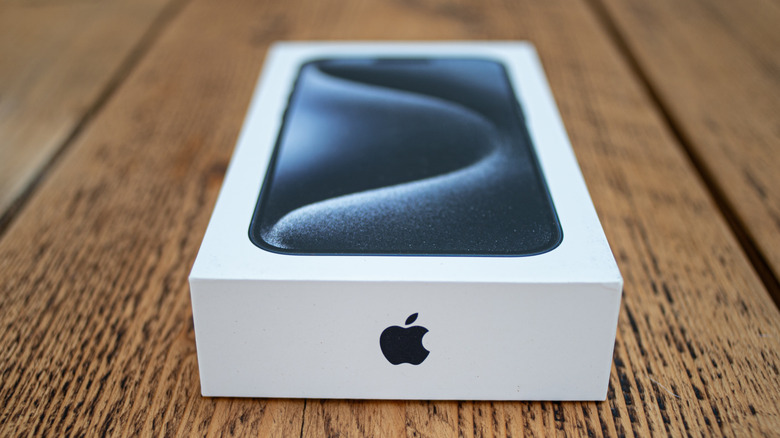
Unless something catastrophic forces Apple to change plans, the company will release the so-called iPhone Fold later this year. Considering the increasing number of leaks detailing the unique iPhone Fold specs and features, it's very likely Apple will include the foldable in its iPhone 18 series in September. Longtime iPhone fans who may have envied the book-type foldable phones released by Samsung and other Android vendors in the last seven years will probably be excited to buy the iPhone Fold. But Android vendors and users who already buy foldable models may find themselves quietly cheering for the iPhone Fold, given the new analysis from Counterpoint Research.
The analysts see 2026 as the year when book-type foldables like the iPhone Fold will see significant growth, outselling the Flip-type foldables, which have accounted for the dominant share of the market. The iPhone Fold is seen as the big catalyst that will drive up adoption of book-type foldables. Put differently, Android brands worried about competing against a foldable iPhone may experience better sales for their own devices. If Counterpoint Research's prediction comes true, book-type foldables will account for 65% of an even larger foldables market this year, an increase from 52% compared to 2025.
Android users could benefit from this market shift, as the arrival of the iPhone Fold could force Android vendors to compete against Apple by reducing the price of their foldable smartphones. For example, the Galaxy Z Fold8 is already rumored to feature a crease-free display, which is expected to be a signature feature for the foldable iPhone. Samsung is also reportedly manufacturing a wider Fold model that will have an aspect ratio similar to the iPhone Fold.
What the foldable iPhone will have to offer
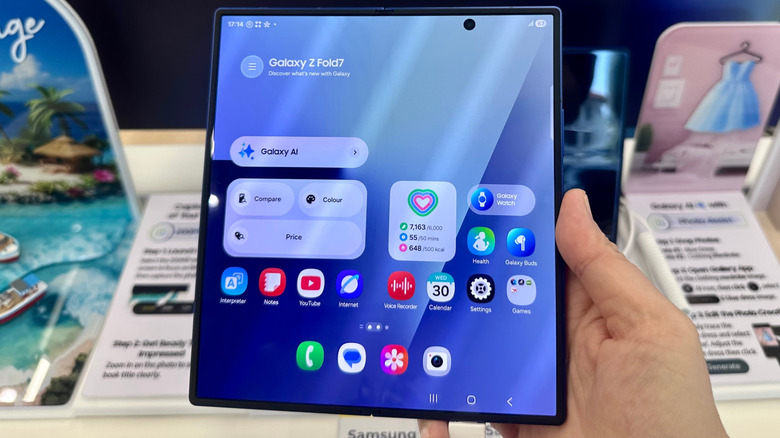
Counterpoint Research credits Apple with a "meaningful role" in turning foldable-type devices popular with consumers this year. The analysts mention their expectations for the iPhone Fold, saying the handset will feature an aspect ratio of 1:1.414, which will give it a wider appearance than current models. Previous rumors speculated the handset would feature a 5.5-inch cover display and a 7.8-inch foldable display, which could look more like an iPad mini than the Galaxy Z Fold7's tall, rectangular tablet shape. Counterpoint Research also signals that the foldable market is maturing just as Apple is about to launch its first-generation iPhone Fold, moving beyond "form-factor experimentation," toward improving user productivity.
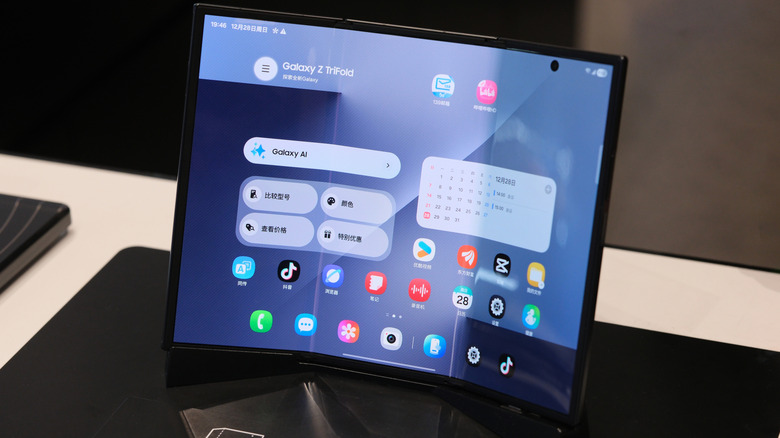
The analysts also predict that fold-type device vendors will optimize the use of foldable screens by offering "multi-pane workflows" instead of single-app screen experiences. Samsung's Galaxy Z TriFold, which could change tablets forever, may be a preview of that. Unfolded, the device features a 10-inch display that supports a standalone DeX mode in which the phone supports multi-window screens and multiple desktops. That experience isn't available on the Galaxy Z Fold7, released last year.
How much will the foldable iPhone cost?
The market analysis report doesn't offer pricing details for the foldable iPhone, but notes that cost is a factor that may influence the iPhone Fold's sales performance. The graphic that Counterpoint Research produced shows the foldable iPhone could help Apple take the number one spot in the book-type foldables market, a position that Samsung held in previous years. But the battle for that top spot is undecided, with Huawei also listed as a potential winner. Other reports have shown the iPhone Fold may cost up to $2,400, or $400 more expensive than the most affordable Galaxy Z Fold7 option.
While Apple may convince longtime iPhone users to spend more money on a foldable iOS device, Android vendors may be able to use a higher iPhone Fold starting price to their advantage. First, they may pitch their Fold handsets as cheaper than Apple's model, which can attract buyers who aren't committed to either iOS or Android. Second, they may raise prices slightly to drive more revenue, without necessarily alienating their own fans. Counterpoint Research notes that book-type foldables are the kind of premium mobile devices that feature high-end specs, which could warrant price increases in a year expected to bring higher price tags for smartphones due to the ongoing memory shortage.
Finally, foldable phone fans may have more devices to choose from this year, with Motorola having already teased its first book-type foldable. So far, Motorola has focused on the more affordable Razr Flip handsets. This should benefit U.S. buyers who do not have access to foldable devices made by other Chinese vendors, including Huawei, Honor, Oppo, Xiaomi, and others.