

Is It Safe To Use A Two-Prong Plug In A Three-Prong Outlet?
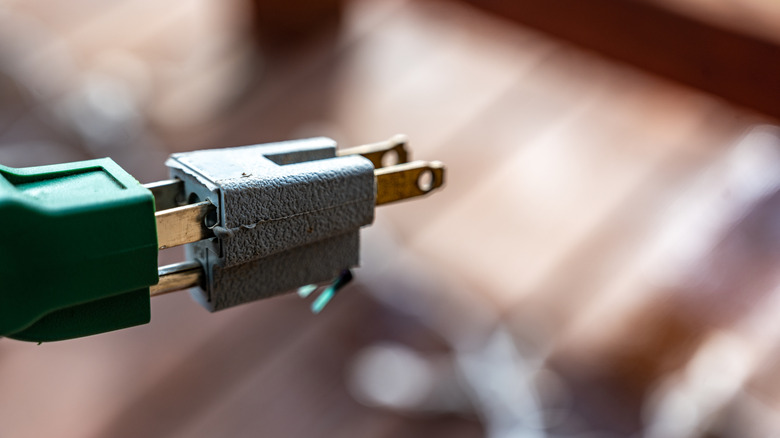
Most high-voltage contemporary power connectors come with three prongs, with wall sockets engineered to be backward compatible with two-prong plugs, thanks to the two vertical slots offering live and neutral connections on both designs. In 1962, new home builds required grounded outlets to include a third U-shaped hole that's directly connected to the socket ground wire. This serves as a safety channel for stray electricity in the event of a short circuit, which is why electrical plug outlets have different-sized holes.
While two-pronged power connectors will work, they're not utilizing the extra safety that's been the standard for over 60 years when needed. That doesn't mean two-pronged plugs are dangerous; they have double insulation, which is fine for smaller devices. This means the plug is encased in two layers of non-conductive material to protect the user from electric shocks without needing the third ground prong.
So plugging a two-prong power connector into a three-prong socket is safe for charging your Steam Deck or Windows Laptop, as the devices it's connected to are designed to operate normally with just a live and neutral configuration. However, bypassing or removing the third prong to fit into a two-prong socket introduces safety risks, which should be avoided. The ground prong is there for a reason, and it's really not worth starting a house fire over modifying a three-prong plug.
When is grounding required for safe operation?
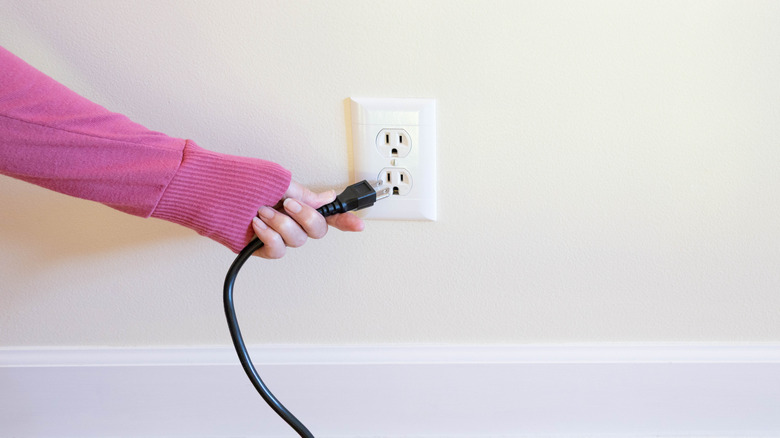
While smaller gadgets often rely on double insulation, high-power appliances and devices with metal casing (almost) always require a three-prong plug. That means appliances and devices like refrigerators, desktop PCs, and microwaves could end up with electrified metal casings without the third grounding prong and corresponding wire. Electric shocks aren't good, which is why the grounding wire and prong are there to provide a low-resistance path that safely redirects harmful electrical currents to the ground wire and home circuit breaker.
Thinking of buying an adapter or cheater plug that bypasses the ground requirement instead? The safest solution is to hook up the correct three-input socket and avoid an electrical hazard down the line. Users can also have a ground fault circuit interrupter outlet, or GFCI for short, installed, which also provides a solid amount of protection by cutting power if a surge hits.
Yes, this also works on older homes where a ground wire isn't present. While the two-prong power plug is the standard for smaller consumer goods, taking the time and small expense to upgrade power outlets around the house is going to provide advanced electrical security with zero compatibility issues.