

These Home Devices And Appliances Use More Energy Than You Think
When it comes to your home, a plethora of devices may be using more energy than you realize. Naturally, keeping some devices unplugged when you're not using them can help you save some money on your electric bill, though there are other methods for reducing energy consumption. For energy bills, what matters is the number of devices you have consuming energy, and some may take far more than you would think.
The U.S. Energy Information Administration used its annual energy outlook for 2025 to list a number of electronics and appliances that eat up the most energy within a single-family home in the country. These devices can be found in a variety of rooms within your home, including the kitchen, living room, or bedroom, though some of the biggest offenders may also impact the entire home.
We have a few small suggestions for you to mitigate the energy consumption of these devices, as well as additional methods to reduce costs. As examples, you can start thinking about installing solar panels for your home, or you can save money on your power bill by unplugging certain gadgets at night. Aside from these options, here are a couple of devices that you may want to keep an eye on in your home to reduce their electricity consumption.
6 energy-consuming devices in your home
Let's start with appliances, which can often use far more energy than one would expect. Taking a look at some examples, the EIA found that space cooling can account for 18.2% of all electricity consumption within the average home, while space heating represents 11.1% of energy costs. Water heating represents around 8.8% of all electricity used, while refrigeration consumes 6.7%.
To help reduce these heating and cooling energy needs, installing insulation or performing an energy audit can be a big help. For water heaters, you can consider a solar water heater or tankless heater system. To combat excessive energy use from cooling appliances, you can try switching to a smart refrigerator or one that is Energy Star-rated, which means it must be 15% more efficient than the standard outlined by federal law.
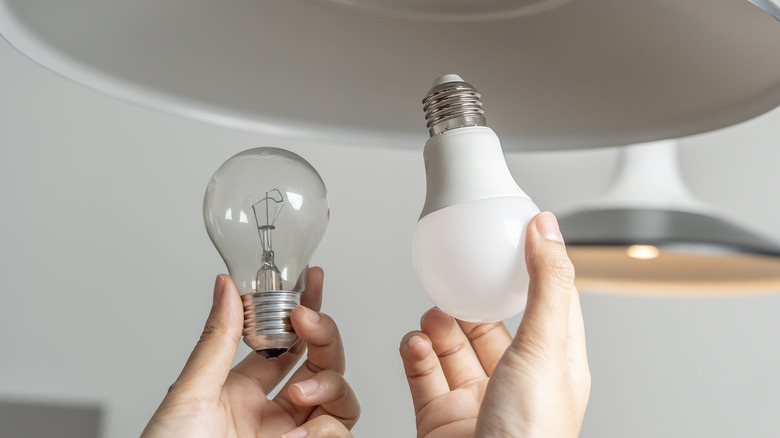
Switching to smart electronics can help with other parts of the home, as well. With lighting using 3.65% of energy and home entertainment equipment accounting for 2.5%, switching your lighting to smart bulbs or relying on smart plugs for your electronics can both be energy-cutting measures. Fortunately, we tested 52 smart light bulbs to find the best ones, and we also discovered some cool new ways you can use smart plugs in your home. Meanwhile, you probably don't need to worry about the energy consumption of computers, routers, and related devices, as they account for only 1.9% of all electricity spent.