

5 Electric Vehicles With The Cheapest Maintenance Costs
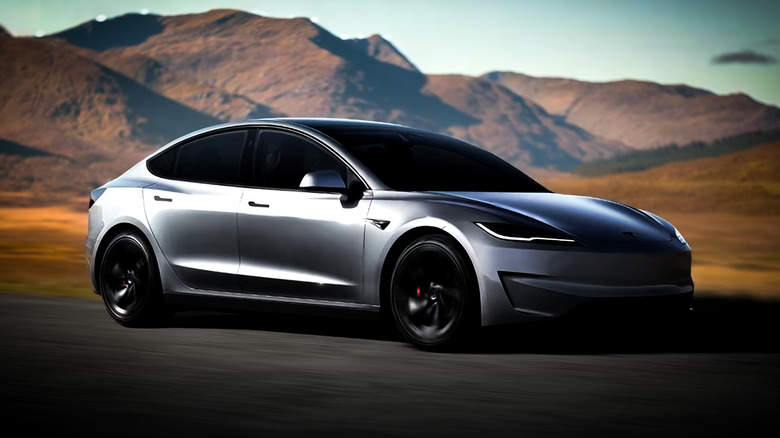
Electric vehicles (EVs) are polarizing people's view of the car industry, from the ethics of it all to the reshaping of the economics of car ownership. There are even a few myths about owning an EV, especially when it comes to the service bay. EV owners enjoy up to a 50% reduction in maintenance and repair costs over the life of their vehicle compared to traditional gasoline-powered cars. This saving is rooted in a radical simplification of how car engines work; while a combustion engine relies on thousands of moving parts, all subject to friction and wear, an EV has around 20.
This instantly removes the maintenance cost of oil changes, transmission rebuilds, and spark plug replacements. Regenerative braking technology lets the motor handle the bulk of deceleration, which then returns energy to the battery array, all while extending the life of brake discs and pads by up to 100,000 miles.
Focusing on the cheapest brand to run, not the cheapest to purchase, we've rounded up five of the cars that cost the least over 10 years. We'll use maintenance data and cost projections from CarEdge and official manufacturer specifications to determine which EVs will actually be easier on an owner's pocketbook long term. Primarily, we're looking at the average cost of general maintenance and the percentage chance of specific models needing a major repair. Spoilers: You can expect Tesla to show up a few times here.
5: Tesla Model S
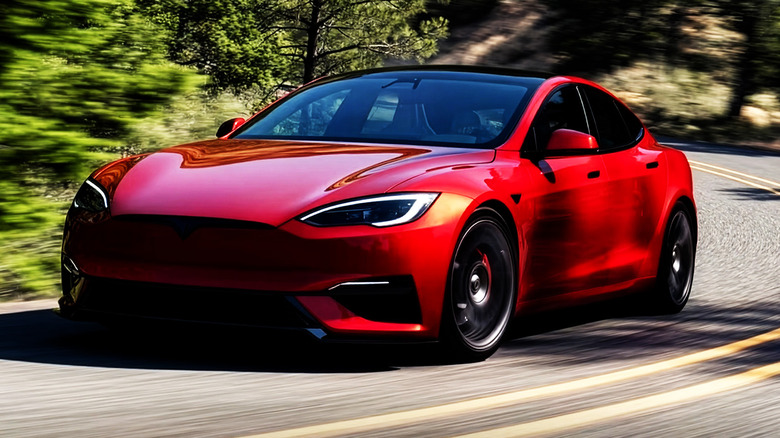
Long considered one of the most reliable EV brands, Tesla's Model S is the fifth most affordable EV to maintain, with a projected 10-year cost of $4,011. Despite its position as a high-performance luxury sedan, it's predicted to be $5,679 cheaper to maintain than the industry average for its class. With a 13.89% probability of requiring a major repair in its first decade, that brings Tesla Model S chances of a major repair down by 15% compared to rival European luxury makes and models.
This efficiency is the result of a mature platform that has seen continuous hardware refinement for over a decade. Routine service is minimal and mostly includes cabin air filter replacements every three years and periodic brake fluid tests.
Unlike other luxury EV car brands that demand buyers to jump into "service packages," Tesla Model S issues over-the-air updates to manage electronic components and diagnose issues remotely. The battery array is liquid-cooled and designed for extreme longevity, reducing the risk of thermal malfunctions. It leverages a single-speed transmission and fewer mechanical linkages. This means Model S avoids most common failure points of gas-powered premium cars and has a minor maintenance burden for owners over a decade.
4: Tesla Model Y
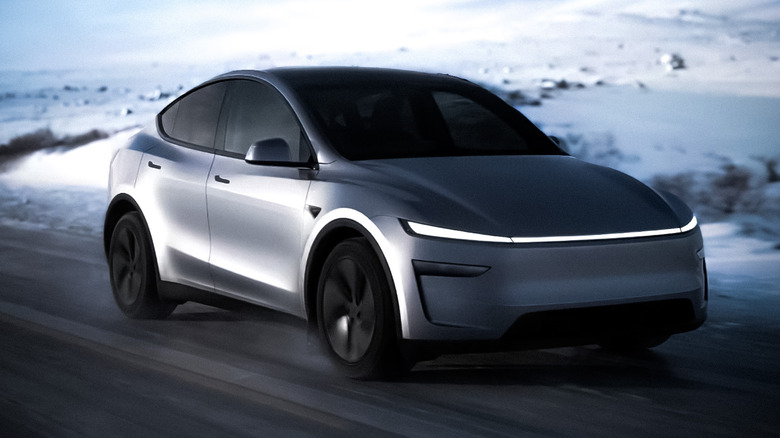
In fourth place is the Tesla Model Y, with a 10-year maintenance estimate of $3,977. Over the first five years, owners can expect remarkably low maintenance costs averaging $580. Model Y is one of the best-selling cars, sharing common parts with Tesla Model 3 to ensure affordability. It has a 12.03% chance of needing a major repair during its first ten years on the road.
Its design focuses on mechanical simplicity, with the HEPA filtration system needing only clearing and replacing every two to three years. It uses low-friction lubricants in the drive units and doesn't need a serpentine belt, which significantly helps with yearly maintenance costs.
The increased weight of Model Y can increase tire wear, but the overall reliability and low running costs outweigh this fact. It also features remote diagnostics, saving time and money on physical inspections, too. This also means servicing and repairs will only be done on the Model Y when it's necessary, making this data-driven approach to car ownership one of the most cost-effective EVs on the market while keeping the owner in control. If a repair or service is justified by the remote diagnosis, it doesn't need to be done. Simple.
3: Nissan Leaf
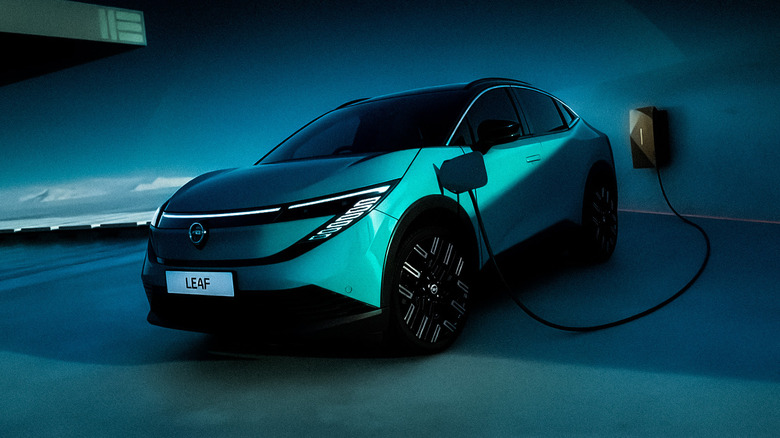
For those looking for an EV that isn't Tesla-made, the Nissan Leaf has an exceptionally low 10-year maintenance cost of $3,237. Depending on where an owner lives, long-term spending can be as low as $2,080. Nissan is a pioneer when it comes to EV cars, using mature technology that's been simplified and improved over seven generations of the Nissan Leaf. It has a 16.14% chance of a major repair during its first 10 years, which is roughly 5% better than similar compact hatchback EVs.
Nissan Leaf has a passive thermal management system, unique to the Leaf EV line, that negates the use of pumps and hoses found in liquid-cooled alternatives, which means a reduction in potential leak points. Routine services are usually every four to five years, which predominantly consist of brake fluid flushes and 12-volt battery replacements.
Another convenient feature of the Nissan Leaf is that it uses standard-sized tires, which, as many drivers know, saves a small fortune over ten years. Since many EVs are equipped with high-load, low-profile tires, this feature offers a practical benefit for buyers. To top off Nissan Leaf's features, its drivetrain is essentially maintenance-free, meaning no major overhauls of the motor or inverter systems are needed for the life of the car, making it one of the most accessible EVs to own for daily commuters.
2: Hyundai Ioniq 6
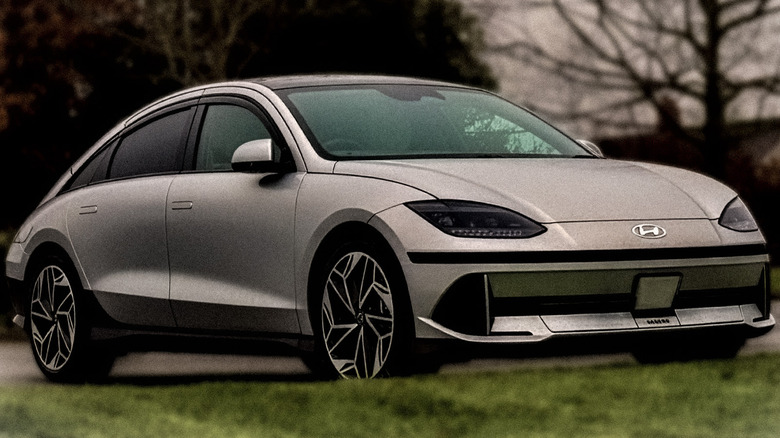
The Hyundai Ioniq 6 is another great Tesla EV alternative with an estimated maintenance cost of $3,893, which is $1,853 lower than the average for popular sedans, proving budget-friendly maintenance is alive and well outside of the Tesla ecosystem. The Ioniq 6 utilizes the E-GMP platform, which prioritizes high-voltage efficiency and is modular in design. It has a 18.31% probability of a major repair in its first decade on the road, which is slightly higher than Tesla models but is well within the top-end standard for EVs.
It comes with a 10-year 100,000-mile warranty that actually covers the most expensive EV components like the battery and drive motors. Scheduled maintenance is pretty much limited to tire rotations and cabin filters every 15,000 miles. With Hyundai having a vast dealer network, there's no issue sourcing parts that are priced for mass-market consumers.
The Ioniq 6 also doesn't need the high-cost coolant flushes that early EVs had to deal with. This makes this EV a solid choice for potential drivers looking at low maintenance costs and fewer potential failures to worry about. While the Nissan Leaf is a cheaper EV choice overall when it comes to maintenance, the Ioniq 6 is for EV buyers who are after a more spacious sedan design without going for a Tesla.
1: Tesla Model 3
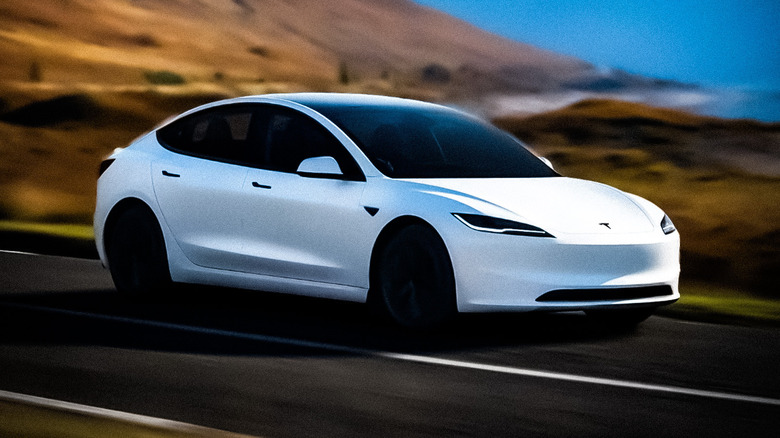
The Tesla Model 3 is one of the best American-made EVs when it comes to low-maintenance EVs, coming in at $3,222 over 10 years. It has an industry-best 8.64% chance of a major repair during that time, meaning the Tesla Model 3 is around $8,374 cheaper to maintain than the average luxury sedan EV. Breaking it down, maintenance works out at $0.03 per mile, which is half the rate of comparable gasoline-powered vehicles.
The Model 3 manages this through extreme mechanical reduction; its drive units are simply far less complicated than traditional combustion engines, with a fraction of the parts needed to get the Model 3 on the road. Unlike other EV brands, there are no mandatory annual service visits thanks to the Model 3 utilizing Tesla's self-diagnostic features. Drivers will be notified via real-time alerts only when specific components need attention, trimming down the costs of running a Model 3.
The Model 3 also has Tesla's regenerative braking that reduces wear of the braking system, with the "digital-first" design of the overall car handling software patches when distributed. Features like cabin air filters and windshield wipers are easily replaceable by the owner, which also saves on labor fees. With the high-volume production line of the Model 3, it's now an affordable EV choice that's easier on an owner's pocket.