

Why There's Simply No Need For Physical Credit Cards Anymore
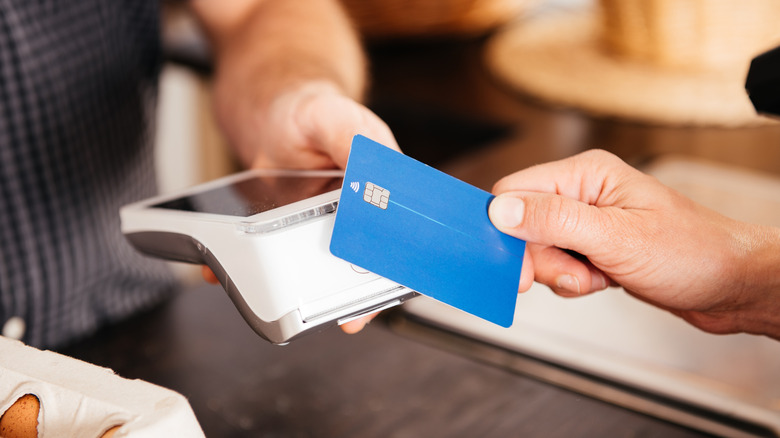
Physical credit cards may become a thing of the past sooner rather than later as payments through digital wallets become more common. Digital wallet is a broad term describing payment methods through a digital device, such as Apple Wallet, which actually stores more than just banking information. Many retailers now accept digital wallets right alongside traditional credit cards. In fact, this technology is catching on so quickly that Mastercard plans to do away with 16-digit credit card numbers entirely.
Digital wallets have a few advantages over physical credit cards–convenience principally among them. Tapping your phone or watch to pay instead of getting out your wallet is generally faster. Having the information stored digitally also means you can make both in-store and online payments from the same app. You don't have to worry about the card or your wallet being stolen, or someone trying to read the numbers over your shoulder.
Digital wallets also offer some enhanced security features. Each transaction is labeled with its own one-time digital code. Depending on the set up, fingerprint or facial recognition also makes it harder for a thief to use them.
The technology replacing physical credit cards
Apple Wallet securely stores the information from multiple credit and debit cards, but that's not all it does. You can also store ID's like your driver's license or passport and specific rewards cards from retailers. Apple also offers various incentives and rewards for using the Wallet to pay for items. The app tracks online orders and ticketing information–think boarding passes and concert tickets. No more scrambling for crumpled ticket stubs to find your way back to your stadium seat from the bathroom. Google Wallet and Samsung Wallet function similarly (we have a guide to help you figure out which payment app is better for your needs.)
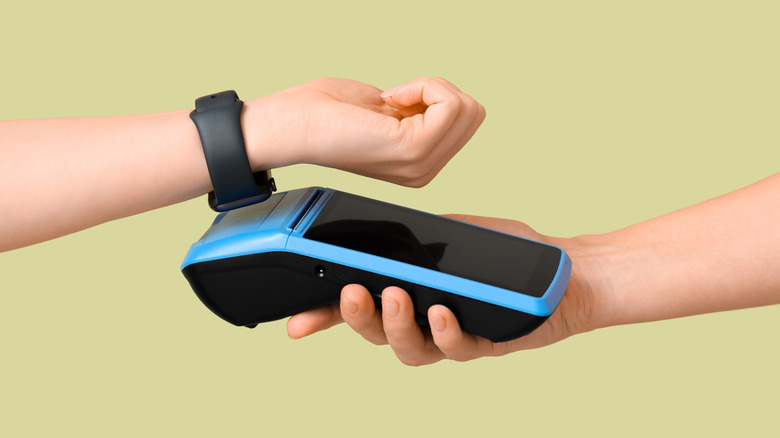
Digital wallets have also become more closely integrated with wearable technology like smartwatches. Even luxury smartwatches like Garmin are getting in on the action. The company recently launched Garmin Pay, a digital wallet compatible with both credit cards and bank accounts optimized to work with your Garmin smartwatch.
Are digital wallets more secure?
Digital wallets are undeniably convenient, but are they actually that much safer than physical credit cards? That is not so easy to answer.
Phones and watches get stolen even ore often than wallets nowadays. The first-party software powering these apps is very secure, but if you incorporate too many third-party integrations, this can expose you to digital data theft. It's also hard to claim that anything is completely hack-proof. All connected tech comes with some inherent risk.
Online scams and other phishing attacks increasingly target digital wallets. For that reason, you'll always be as vulnerable as you are credulous, and scammers are getting tricker all the time. Falling victim to legitimate-looking texts or emails can give thieves access to your digital wallet just like your email. We've seen document cases of fake websites created using generative AI designed to dupe you into shareing personal information that exposes. The industry term is "typosquatting", and even the biggest tech companies in the world have fallen prey to it.
Ultimately, digital wallets still carry some risk, but so do credit cards. Digital wallets at least have the benefit of additional security protocols; the technology's multi-functionality justifies the risk for the millions of users have already adopted it.
Perhaps one day, more cards will go the route of Mastercard.