

The First Transatlantic Internet Cable Ever Is Being Pulled From The Ocean After Almost 40 Years
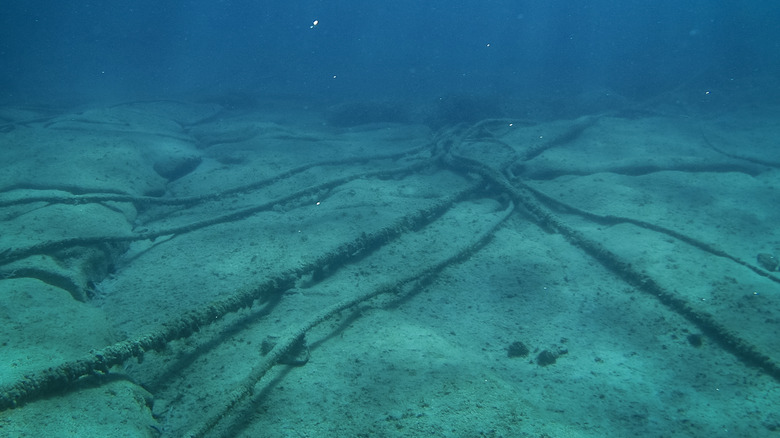
First installed in 1988, the TAT-8 transatlantic fiber-optic submarine cable connected the United States, the United Kingdom, and France globally. Containing two working fiber-optic wire pairs and two spare pairs, it offered up to 20 megabits per second of internet traffic. It was actually the eighth submarine cable (hence the 8 in the moniker), but the first to utilize optical fibers instead of traditional copper wires. Believe it or not, originally, it was a telephone wire, as TAT stands for Trans-Atlantic Telephone. The fiber was eventually repurposed similarly to how you can easily convert old telephone wiring to Ethernet. However, TAT-8 was eventually taken out of operation in 2002 after it experienced an unrepairable fault — unrepairable because it was simply too expensive to fix. Even so, it has remained on the ocean floor until now.
Subsea Environmental Services is currently removing the cable from the seabed, after which it will be recycled. The general goal, however, is to clear the seabed where the TAT-8 cable rested for years to make way for new cables — using a proven cable route for any new, critical communication cables is the aim.
While it seems like it would be an easily automated task, the cable has to be coiled by hand to protect the delicate components inside, such as the glass fibers, so it's really a slow, methodical process. The cable materials are valuable, especially the copper conductors, which are becoming even more important in the face of an expected copper shortage in coming years. It definitely makes sense to recycle TAT-8 rather than scrap it entirely.
No TAT transatlantic cables are in operation today
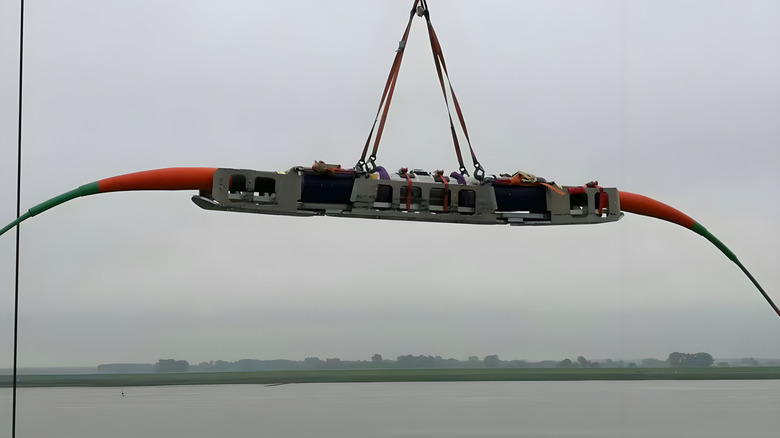
The last of the TAT series of submarine cables, TAT-14, was retired and removed from service in 2020. The very first, TAT-1, was installed in 1956. Doing simple math, that's over 60 years of service from the TAT cables. That's certainly a storied history, making it somewhat bittersweet to see them being pulled out of the ocean for recycling.
Of course, there are hundreds, if not thousands, of additional cables running along the ocean floor connecting the globe. You can see a visual representation on the Submarine Cable Map from TeleGeography. Approximately 99% of international internet traffic flows through undersea cables, way more than it does through mobile networks, satellites, and fixed internet channels. Companies like Amazon, Meta, Google, and Microsoft invest heavily in undersea cables for obvious reasons.
Another interesting fact is that the first ever transatlantic cable was a telegraph cable laid in 1858. The effort was pockmarked by failure. The cable snapped at one point, and despite successfully connecting the U.K. and the U.S. for a short while, manufacturing flaws and deployment damage led to its eventual failure. It stopped working in October of 1858, the same year it was installed. But it paved the way for modern cabling and the rest, as they say, is history.
Fiber-optic technology will continue to be necessary in the future, despite the advances in other options. Starlink promise high-speed internet via satellites, but that doesn't always pan out for its customers. Fiber and satellite are both great options, but fiber optics is often better for stability and higher sustained speeds with lower latency. It's the same deal with 5G versus satellite, as either one — or fiber — could be preferred, depending on the situation.