

New Study Reveals The Common Car Feature That Can Be Used To Track You

Having your car tracked and getting followed home or having a stranger learn your routine is a scary thought. Though you might be vigilant about watching who follows you around, your car may actually emit a trackable signal that you are unaware of coming from your tires. It is your Tire Pressure Monitoring System (TPMS). TPMS emits wireless signals continually and they are unique to each tire. Though it is designed to communicate tire pressure to your car, the result is that this signal can be picked up by potential criminals to track your movements.
Typical modern cars are equipped with TPMS. The purpose is to keep you safer, as tires that have improper pressure can result in vehicle accidents, although TPMS might not always be the most reliable. This system is the one that shows up on your dashboard with a yellow symbol with an exclamation mark on it.
This problem came to light in a study done by researchers at the IMDEA Networks Institute which is in Madrid, Spain. The study titled "Can't Hide Your Stride: Inferring Car Movement Patterns from Passive TPMS Measurements" will be published through IEEE WONS in 2026, and the details emerging from the research already shed light on this very dangerous issue.
The details of the TPMS study
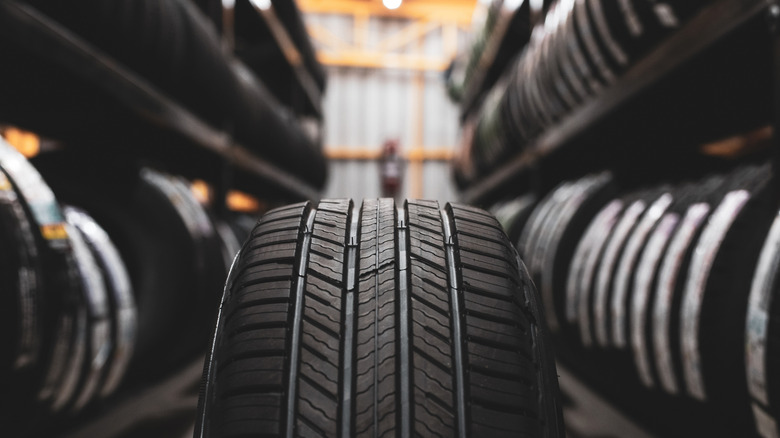
Researchers from IMDEA Networks Institute launched a study across 10 weeks regarding these wireless signals sent out by TPMS. They built radio receivers for less than $100 per unit. Across the weeks, these receivers collected over six million TPMS signals from more than 20,000 cars. These receivers could get TPMS signals from over 164 feet away, even through walls and with moving cars. The tire pressure readings received also could be analyzed by the researchers to determine if it was a truck carrying cargo or a smaller and lighter family car.
The study revealed that someone using a very simple device can track the unique signal tires send out, meaning they can know if the same car has been tracked before. Over time, this can build out a pattern of someone's routines such as when they arrive and leave for work, when they go home, or what day they head to the grocery store and to which one. The researchers in the study emphasized the importance for automakers to fix this problem.
When concerns about being monitored come to mind, you may think about ICE tracking your car or footage from traffic cameras. Your own car tires emitting trackable signals is a scary revelation, as there have already been plenty of cases where criminals have tracked people's cars using other simple means.
Why this research is important

This research sheds light on another way people can be tracked by criminals, and provides a new challenge for law enforcement and automakers to tackle. The problem of people following others home already exists, and it doesn't take expensive tech to do it. A woman in Ohio driving around to watch fireworks in 2025 heard something hit her car and thought it was a rock from the road. It was actually a phone with a magnet on it that was thrown. The people who threw the phone followed the signal to the woman's home and tried to get her to open the front door. She called the police and they left.
There has also been the problem of people using Apple Air Tags to track cars. There have been cases of people finding these on their cars when their phones alert them of such a device nearby. One woman in Michigan found that one had been placed under her car when she was inside a Walmart. Tracking a car through TPMS signals is just as simple and affordable as both of these methods, but this one doesn't require the criminal to be close to the vehicle.
According to data from the Office for Victims of Crime (OVC), over three million people are stalked in the United States each year, with the majority being by someone they know. Unfortunately, this TPMS system problem gives stalkers and other criminals another avenue by which to track you.