

Intel Vs. AMD: Which Is Better For Your Next Computer?
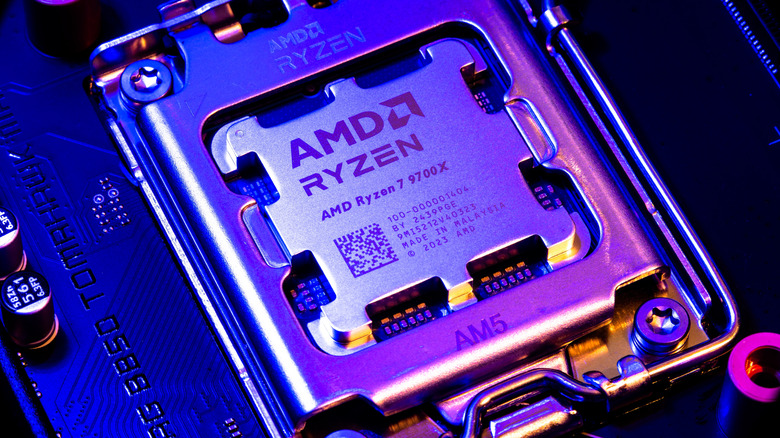
"Intel or AMD?" is still one of the first questions that most users ask when trying to figure out which processor is better for a new PC. However, the answer to this question is not as straightforward as it was a few years ago, and buyers now need to look beyond brand familiarity — especially since this choice will shape nearly every other aspect of the components in a build.
For many years, Intel was seen as the default choice in this debate. The manufacturer owned the mindshare, dominated prebuilt systems, and carried a reputation for quality and performance that its CPUs delivered. AMD, on the other hand, was seen as more appropriate for budget and entry-level desktops — but the company has since eaten into Intel's lead with its modern Ryzen processors, with data from Steam showing AMD CPUs being used by 43% of gamers on the platform.
So if you're about to spend some money on a DIY PC build, it's important to compare what each brand is offering right now instead of relying solely on older assumptions. AMD was able to close the performance gap in recent years, and in many cases, even surpass Intel in key areas that the company used to dominate, such as gaming and power efficiency, while offering better prices.
AMD's newer chips deliver better prices and performance than Intel's

At the high end of the CPU segment, AMD has made Intel's latest processor lineup look far less compelling, especially if you're looking to build a gaming rig. The Ryzen 9000 series, and particularly the X3D models, have opened a sizable lead with many titles, delivering better performance and frame rates than Intel's comparable offerings. In some benchmarks, the difference can go up to 30% when compared to Intel's Core Ultra 200S series, with AMD options ahead.
However, AMD is not only outperforming Intel in its high-end options nowadays — the same trend can be seen in the midrange segment too. AMD's Ryzen 5 9600X has done better in gaming and single-threaded performance benchmarks, frequently outscoring equivalent Intel Core i5 models. While Intel's i5 chips still hold an advantage in heavy multi-threaded workloads like rendering and video editing due to their higher core counts, AMD's comparable chips have better prices overall.
AMD also offers better platform longevity. Even though it has sold AM5 processors since 2022, the company still supports AM4 users, releasing new CPUs almost a decade after their debut, such as the Ryzen 5 5600F, which came out in September 2025. On the AM5 side, AMD has promised socket support through 2027, while Intel has already switched to LGA1851 and is expected to change things again with Nova Lake later in 2026, potentially forcing users into PC upgrades that aren't always worth the money.
Why Intel remains the biggest household name in processors
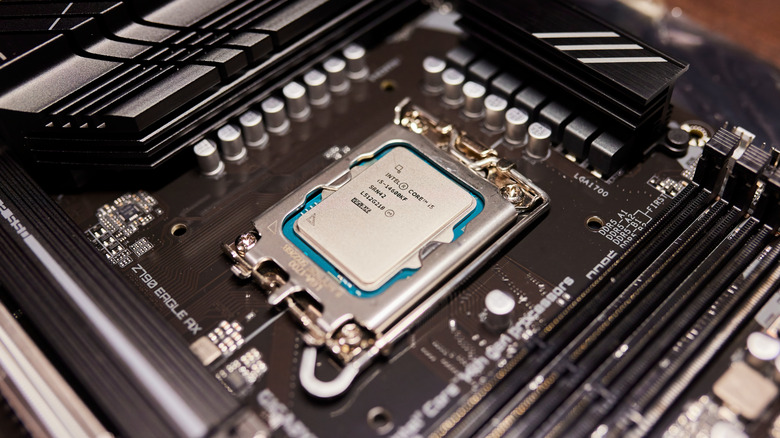
Despite AMD's progress in CPU performance, Intel still dominates the mindshare. Even if benchmarks show that AMD has advantages in many categories, especially gaming, Intel still remains the first choice for mainstream buyers. When consumers are shopping for a new desktop, laptop, or a prebuilt machine, Intel's name feels more familiar, which subconsciously makes it easier to trust at first.
A large part of that comes from Intel's long-standing presence in the PC market. The company spent decades building strong relationships with major PC brands and launching successful marketing campaigns that transcended tech, turning the slogan "Intel Inside" into something even casual users learned to trust. AMD also has some baggage here, but not as positive as Intel's, since many older buyers might recall when its processors were seen as less reliable and more likely to run into thermal issues when it comes to heavier workloads.
AMD changed that impression significantly when it introduced Ryzen processors, but there are still some long-term perceptions that are hard to shake for many users. So, for now, if you're trying to decide what is better for an upgrade to an older CPU or for your next PC, AMD is a great choice if you're after a better experience while gaming, but Intel remains the pick for those focused on multitasking workloads.