

5 Dumb Appliances In Your Home That Work Better With Smart Plugs
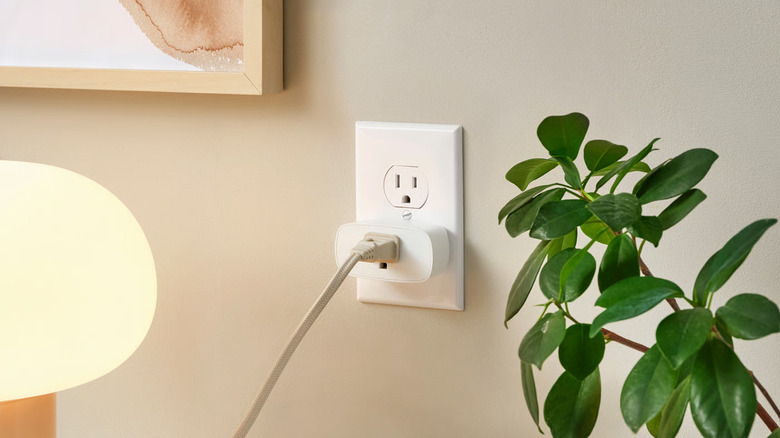
A smart plug doesn't necessarily have to be used with modern, expensive gadgets around the house. With a little research and some quick setup, you can easily turn everyday, dumb appliances into smart devices. At its core, a smart plug allows you to remotely control when the connected appliance powers on. It's this functionality that can help you in a number of ways, whether it's automating lights, controlling temperature and humidity levels, streamlining your morning routine, or fixing everyday problems.
Keep in mind that not every device should be used with a smart plug, especially the ones that need to be manually turned on or configured every time that power is cut. This includes microwaves, air fryers, washing machines, and other similar appliances. There are also some that need a little configuration to work. The trick is to identify which devices automatically resume operation or can be set to do so after power is restored. Once you find those, you will feel much more in control of your home, and you'll be well on your way to simplifying day-to-day tasks.
Lights and lamps
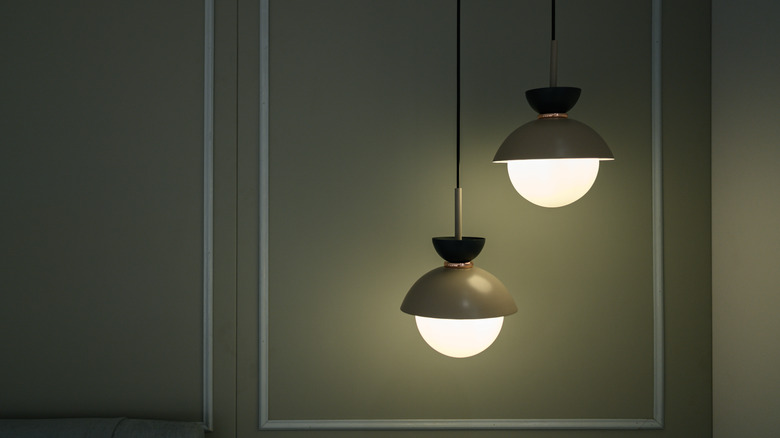
Controlling lights is one of the easiest and most practical ways to use smart plugs around the house. It requires minimal effort, and when done smartly, you could save some money in the long run. Even if that isn't your goal, being able to control the lighting throughout the house or in specific parts makes your life easier, and it's a simple way to make your home more secure. Whenever you step out, you can remotely turn on a few lights so that the house doesn't look empty. Apart from that, you can automate the lights in the driveway or the garden to turn on at sunset and switch off at sunrise.
Inside the house, you can connect bedside lamps or those in the living room to a smart plug and remotely turn them on or off from the app or even with voice commands. There are endless possibilities, so it's best to prioritize the ones that will make your daily life easier.
Electric fans
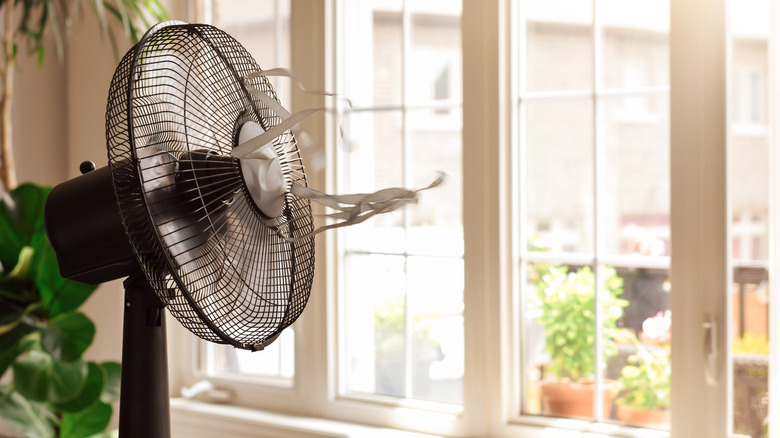
Another common appliance that can greatly benefit from being hooked up to a smart plug is the electric fan. Of course, this works best when the fan in question restarts automatically when power is restored.
Many people leave a desk fan, floor fan, or tower fan running at all times in the warmer rooms of their houses, even when nobody is in the room to benefit from the fan moving air. If you plug a fan into a smart plug, it becomes a lot easier to turn the fan off when it's not in use — as soon as the thought crosses your mind, even if you're in another room, you can turn the fan off from the smart plug's app on your phone. It might not seem like much, but you will save a little every month on your power bill.
If your smart home setup includes things like motion sensors and contact sensors, plugging your fans into a smart plug can provide even more benefits. For instance, you can configure automations in apps like Google Home, Apple HomeKit, and Home Assistant that would turn the fan on when someone enters the room and turn it off when they leave. Or if you add a temperature sensor to the mix, you could even set things up to where the fan turns off when it's cold, then kicks back on when things heat up.
Small kitchen appliances
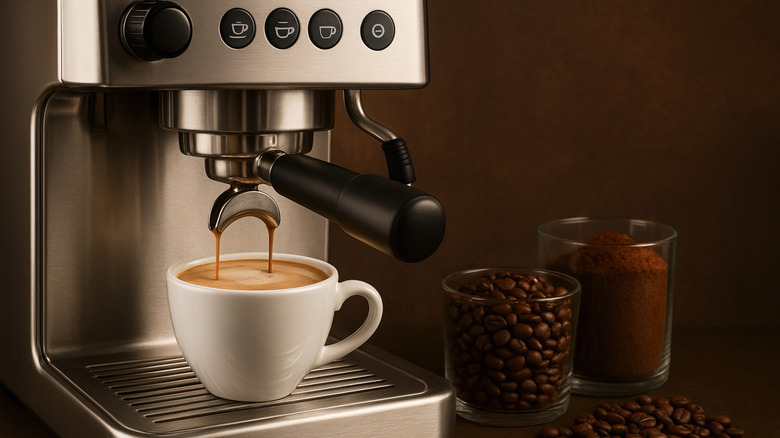
Several everyday kitchen appliances can work well with smart plugs, improving their utility around the house. For instance, if your coffee maker can start operating as soon as it receives power, you can have coffee ready as soon as you wake up. Just set the smart plug to turn on at the desired time each day and fill up the machine with water and coffee grounds each night. Smart plugs also allow you to set different schedules, so you can adjust this according to the time you wake up — say, early morning on weekdays and an hour or two later on weekends.
Other kitchen appliances that can work with a smart plug include bread makers, basic rice cookers, and slow cookers. Using a smart plug, you can turn on the slow cooker while you are still away so that by the time you reach home, the food is ready to serve.
It's important to note that larger kitchen appliances, like microwaves and toaster ovens, can exceed the load capacity of common smart plugs and present a hazard. Also keep in mind that leaving cooking appliances unattended can be risky, especially ones that get hot, and that you shouldn't leave food in appliances for too long because it can be unhygienic.
Air purifiers, humidifiers, and dehumidifiers
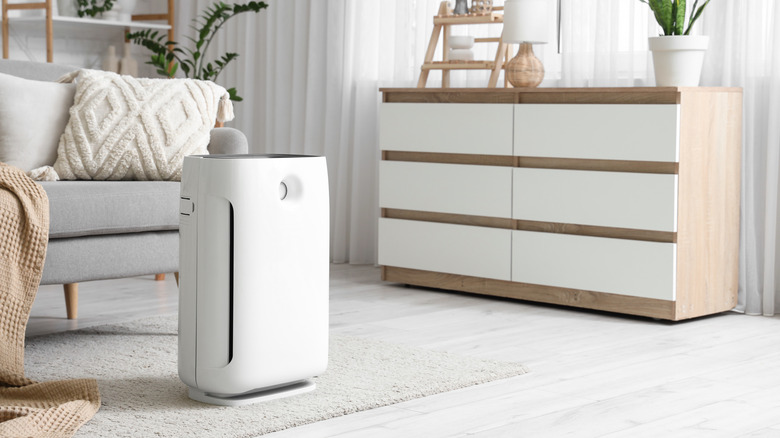
If you have an air purifier, humidifier, or dehumidifier at home, you can automate their schedule using a smart plug. Also, if you don't want them running all day, say when you are not at home, you could turn them off before leaving and remotely turn them on while on the way back. This way, by the time you are home, the air quality and humidity level would be optimal.
While these devices are designed to run all day long, turning them off when not needed can help extend the device's lifespan as well as save electricity. With a smart plug, you can schedule the air purifier, humidifier, or dehumidifier to run when needed the most, then automatically turn off when there's no one around.
Keep in mind that for this setup to work, you will need an air purifier or humidifier that automatically turns on when power supply is resumed. Models with digital power controls might not be compatible with this setup, but the more cost-effective air purifiers that have a simple power switch or knob should work.
Modems and routers
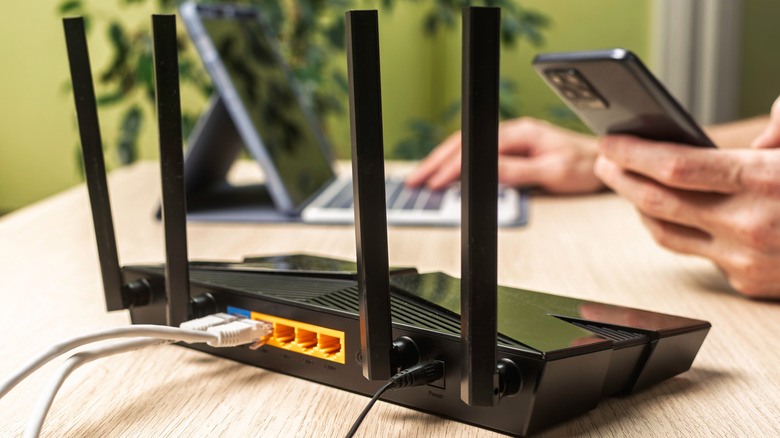
The internet has become an integral part of our lives, and even a few minutes of downtime can affect daily operations, from home security cameras to the smart plugs themselves. While there's nothing you can do if the ISP is experiencing downtime, issues with the router or modem can be avoided by power cycling them at regular intervals. The process is simple: Turn the device off for 30 to 60 seconds, then turn it back on. This should be done preferably once, or at the most twice, every month.
If the router is easily accessible, power cycling shouldn't be a problem. But what if it's installed on a high shelf or placed behind a desk, making it difficult to reach? This is where a smart plug can really simplify things for you. By automating the power cycling schedule, you will face fewer downtimes and the router's performance should improve.
It's important to understand that many smart plugs won't work if the internet connection is down. So, think of power cycling as more of a preventive maintenance task and not a way to troubleshoot the connection.