

It Takes Years For Solar Panels To Pay For Themselves - Here's Why
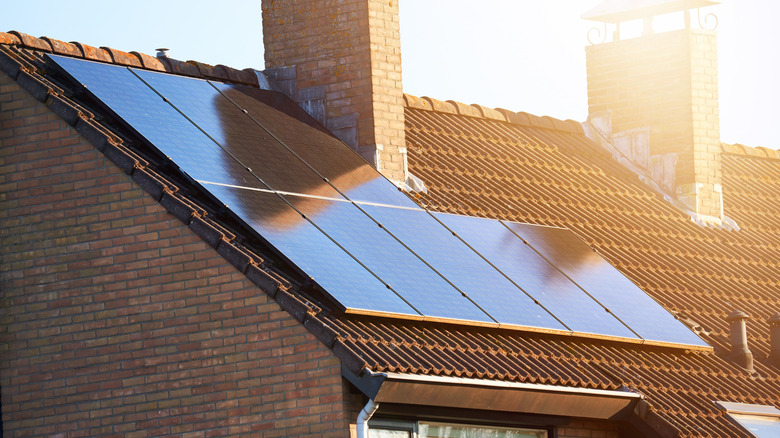
Solar panels are often one of the smartest and most sustainable investments that people can make in their homes, and for a good reason. By installing them, they cut electricity bills, reduce dependence on the grid, and, above all, offer clean energy from a source that never runs out. Still, it takes years for solar panels to pay for themselves, and understanding why it takes so long is essential before committing to what is a major financial decision.
It may seem strange, because sunlight itself is free, but installing the necessary equipment to capture it for residential use comes with a high price tag. A standard home solar system requires an array of panels, inverters, hardware, wiring, and professional installation, all of which add up to thousands of dollars in upfront costs. It's a steep entry price that many homeowners are afraid to take on when they may not see financial benefits until many years later.
Knowing what to consider before installing solar panels at home starts with a few key variables. The break-even time on your investment will depend on a number of factors, including the system size, weather conditions in your area, local energy costs, and tax credits. From there, you can start to get a better idea of your payback time, and for many households, that can take around 10 years on average, although the exact time can vary depending on where you live.
How many years it takes solar panels to pay for themselves
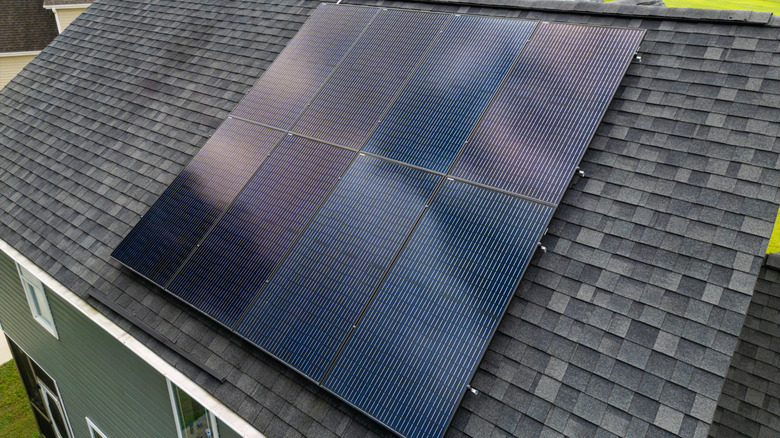
In order to understand how long you'll be on the payback road before a solar energy system pays for itself, it's necessary to take the total cost that you invested after incentives and divide it by your annual savings. The result can vary based on rates and system sizes, but in the United States, the average payback period is up to a decade. Additionally, a lot of solar businesses assist homeowners with the math prior to installation, so it's wise to ask before making a commitment.
Also, it should be noted that this time frame is not universal, since there are some other factors that affect your payback time. If you live in areas with high electric bills, like California or Hawaii, solar panels may have paid you back in as little as five or six years since they're cutting down one of your most expensive bills. On the other hand, panels on homes in cloudier areas or with heavily-shaded roofs may have lower energy output, thus increasing the payback time.
However, even with an extended payback period, solar energy can be a good long-term investment for those who can afford it up front. Solar panels have a lifespan of 25 years or longer, which means years of savings after they have already paid for themselves. That can amount to free electricity for a long stretch of time.
The high upfront costs of solar panel installation
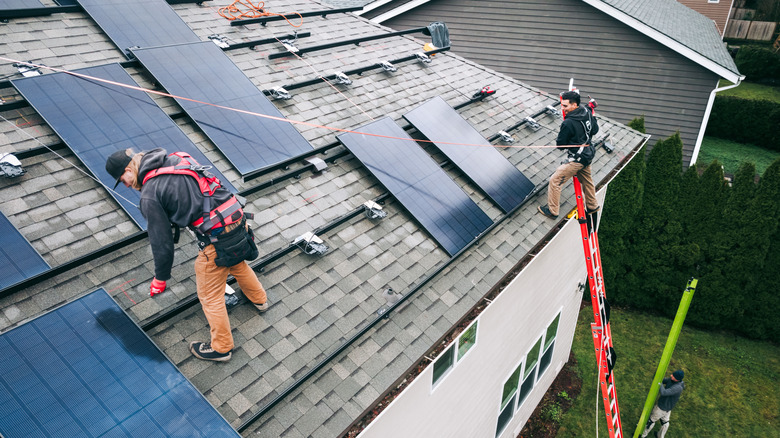
Although solar energy is free, the equipment needed to use it is not. In fact, it can be quite expensive. The panels themselves represent just a small fraction of the total cost, while other major components like inverters add significantly to the price. Factor in other expenses, like mounting hardware and the wiring to connect everything, and costs climb even higher. Also, be sure to read the fine print when you sign your solar panel contract to make sure there won't be any financial surprises.
Even with the basic equipment in place, there is more you need to consider. Most installations are still dependent on the traditional grid and don't work during nighttime, so if a homeowner wishes to go full solar energy, installing solar panel batteries at home adds even more costs that can stretch the payback period by several years. Residential battery systems can cost anywhere from $6,000 to $23,000, depending on the capacity, brand, and installation complexity, so those looking at a whole-home backup can expect to wait several more years before they break even.
After paying for the hardware, homeowners still have other costs to consider. In rooftop installations, those extra expenses can vary from $3,800 to $4,500 with permitting, and governments have different rules and fees, too. Older homes also may need some structural reinforcements before panels can be installed properly, so there are often some hidden expenses that might be overlooked during the planning phase. Those can definitely affect the budget and the payback time, as well.