

Changing These 4 Settings Will Immediately Make Your Car's Audio System Sound Better

Nothing beats the feeling of jamming out to your favorite albums and artists while you're cruising down the interstate. Most of us expect car audio systems to sound better than home speakers, so any sort of lackluster listening quality can quickly sour your ears and degrade your music nostalgia. Vehicular audio can also be very challenging at times, though, especially when you're contending with variables like road noise and low-quality audio streams.
Fortunately, many vehicles have factory receivers that allow you to customize the way your tunes sound using audio presets or a graphic equalizer. How much customization you'll have at your fingertips will depend on the make and model of your car, and whether you switched out the first-party stereo for an aftermarket head unit. A couple of audio adjustments might be all your car or truck needs to get your music sounding better, and you can get started with the four steps we've outlined today.
Know your genres and EQ
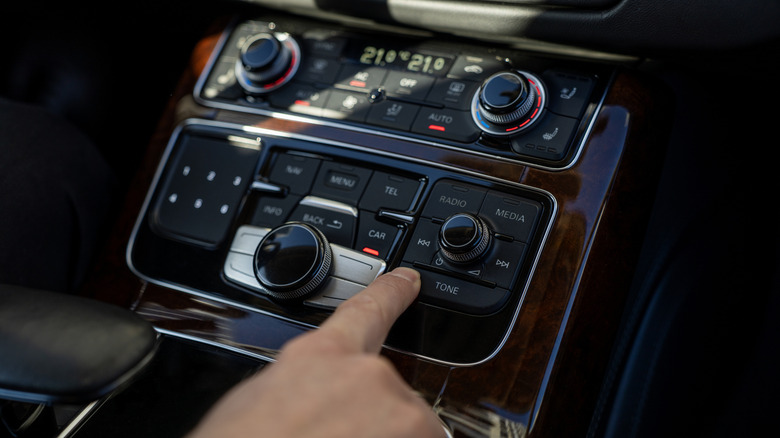
Not all music genres respond well to overdriven bass, and we could say the same for treble and midrange frequencies. It may sound a bit silly, but it's worth taking stock of the types of tunes you listen to now and then. That way, you'll have a good grasp on the genres you push through your car speakers the most. Certain genres will shine with only a few equalizer tweaks, while others may struggle when specific frequencies aren't prioritized.
Do you love bands like Metallica, Tool, and Alice in Chains? Rock and metal acts tend to sound best when you hone in on guitars and vocals, which a slight boost to midrange and treble frequencies should achieve. We also recommend keeping the bass at zero, or turning it up just a tad, as rock and metal are fairly bass-forward to begin with. If you love rap, hip-hop, and EDM, a moderate bass boost (but don't overdo it) and a slight treble increase help to drive kick drums and synth bass, while still allowing vocals, hi-hats, and other sibilance producers to sound crisp.
If you're more of a singer-songwriter fan (think artists like Ed Sheeran and James Taylor), focus on lifting the midrange, while giving a slight boost to bass and treble to truly deliver those warm, intimate coffee shop vibes. If your car stereo allows you to program and save EQ presets, creating these custom modes can prevent you from needing to adjust frequencies whenever you switch genres. We also advise staying away from built-in presets like Bass Boost or Vocals, as these factory settings tend to overemphasize the frequencies they're focused on.
Spend time on balance and fade
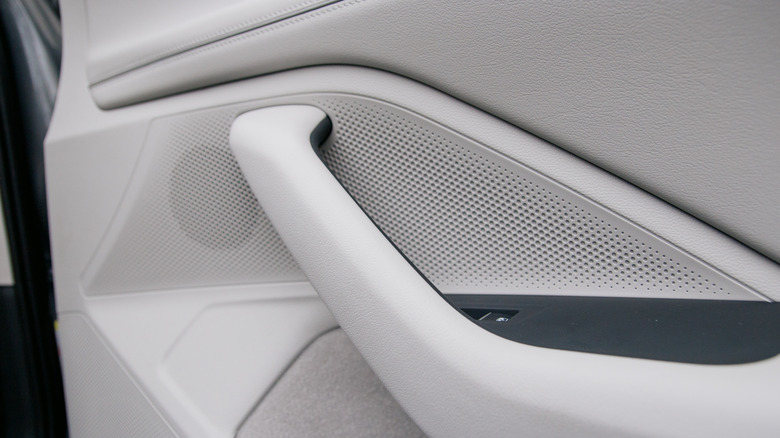
Most factory stereos and aftermarket head units will allow you to adjust the balance (your vehicle's left-right soundstage) and fade (the front-rear soundstage), and these aren't settings to be taken lightly. Unbalanced audio can make it sound like there's too much sound on one side of your car, and not enough somewhere else. If your music sounds lopsided, we recommend taking a few minutes to customize your balance and fade settings.
Your best bet is to flatten both the balance and fade, and then focus on tuning one parameter at a time. Start by tuning your stereo's fade until music only comes out of the front speakers, and then use the balance adjuster to tune the left-right sound to your satisfaction. Once you're happy, apply the same settings to your rear speakers. When adjusting fade, start again by forcing all audio to the front speakers, and then gradually raise the rear volume until there's enough all-around depth.
These aren't be-all-end-all settings either, and you may find that certain driving scenarios (e.g., a car full of rowdy passengers or a solo drive through the desert) work better with one type of balance-fade mix than another.
Choose higher-quality file formats
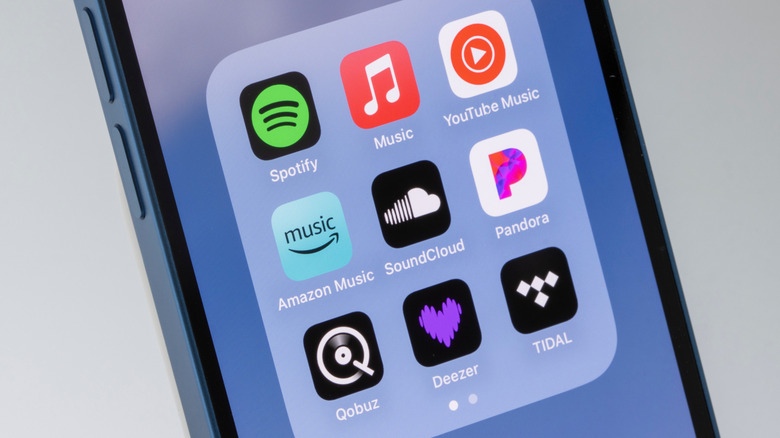
Remember when dogs used to be man's best friend? Nowadays, it's data compression because we're all trying to stuff our phones with as many apps, photos, and music files as possible, and most of us won't stop until we've hit max capacity. Thus, the more we compress our files, the more of them we can store. But when you're dealing specifically with audio content, compression is actually the enemy, at least as far as sound quality is concerned.
You see, there's a decent amount of bass and treble data that gets lost when an audio file is compressed, and these are the types of audible details that can make your favorite tunes sound special. If you want to preserve as many of those details as possible, it pays to start spending extra on higher-quality downloads. Choose formats like FLAC and WAV for the best sound quality, and if it's not too inconvenient, connect your phone via USB instead of Bluetooth (the latter introduces more compression).
Many of us enjoy car tunes from music streaming services like Spotify and Apple Music, but oftentimes, the default settings of these apps prioritize performance over fidelity. While some apps will let you change compression settings, you may be better off choosing a streamer that's known for higher bitrate streams, like Tidal, Qobuz, or Amazon Music Unlimited.
Keep your car neat and sealed
Even without all those built-in speakers, vehicles of all types can make an awful lot of noise, not to mention whatever road noise decides to join your commute. Even a single empty water bottle placed in a console cup holder can make quite a racket.
As you might guess, the more ancillary sound your ears are forced to contend with while you're driving, the less detail you'll hear in your music downloads and streamed songs. That doesn't necessarily mean you'll need to run out and buy a bunch of sound-dampening accessories (though Ford rolled out some nifty noise-cancelling tech several years ago). Instead, try seeing what you can do to manage things on your own terms. Throwing away garbage when you arrive at your destination is a solid habit to get into, and it might help with errant rattles and vibrations around your vehicle, especially in areas like door pockets and the glovebox.
Airing out your vehicle is a must when the weather gets warmer, but air barreling into the cabin as you coast down the highway will absolutely tank your sound quality. While you should definitely air out your interior every so often, for sound quality's sake, you're always better off having your windows closed.