

This New AI Bill Would Do More Than Just Ban Surveilling Americans
AI is growing rapidly across private industry but public ones too. Government entities, including the U.S Department of Defense, are aggressively adopting AI technologies. These developments have prompted U.S. politicians to call for immediate regulation due to increasing ethical, legal, and safety concerns, including AI's impact on the environment and on the brain.
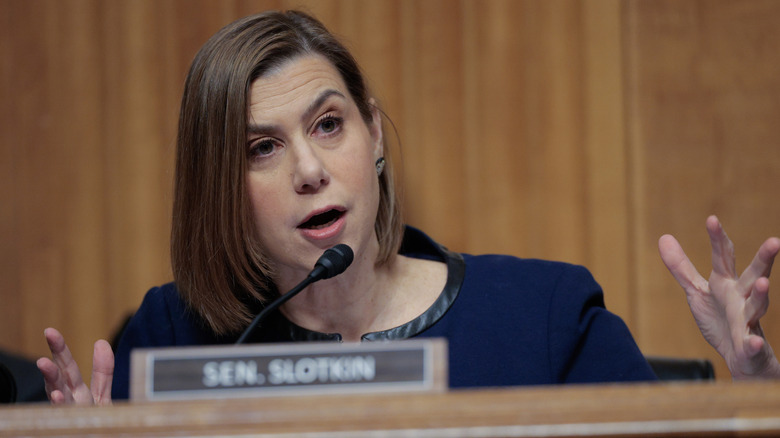
U.S. Sen. Elissa Slotkin (D-Mich.) introduced a bill that would regulate the government's use of artificial intelligence. The bill is in part in response to a recent public clash between AI company Anthropic and the Department of Defense over defense contracts. Leaders at Anthropic became concerned about how the U.S. government was using its technology, particularly regarding domestic surveillance and autonomous weapons.
The Pentagon responded that it already has guidelines in place that prohibit using AI to help the military conduct mass surveillance or to autonomously decide to kill a target. Anthropic remained skeptical that existing guidelines had loopholes for the administration to exploit. The Pentagon responded by designating the company a supply chain risk, ending its contract and instructing all federal agencies to cut ties to Anthropic. The company is now suing over this designation.
What the new bill does

Slotkin's bill includes a ban on AI-aided mass surveillance of American individuals or groups. Also known as the AI Guardrails Act of 2026, the bill would also prohibit AI from using lethal force without human input and from independently launching or detonating a nuclear weapon.
Slotkin argues that if these guidelines were already codified into law, the kerfuffle with Anthropic might not have happened. Now the government will pay the costs of removing Anthropic software from all government agencies that have contracts with the company and have been using it. Anthropic is also suing the government about its labeling as a supply chain risk, which could result in a drawn-out, costly, taxpayer-funded process.
The senator, a member of the Armed Services Committee, said her bill will also kick off conversations about AI contracts in the National Defense Authorization Act — the annual defense spending bill — which is scheduled for later this year.