

Those Cameras On Store Ceilings Can Do A Lot More Than Just Watch For Theft
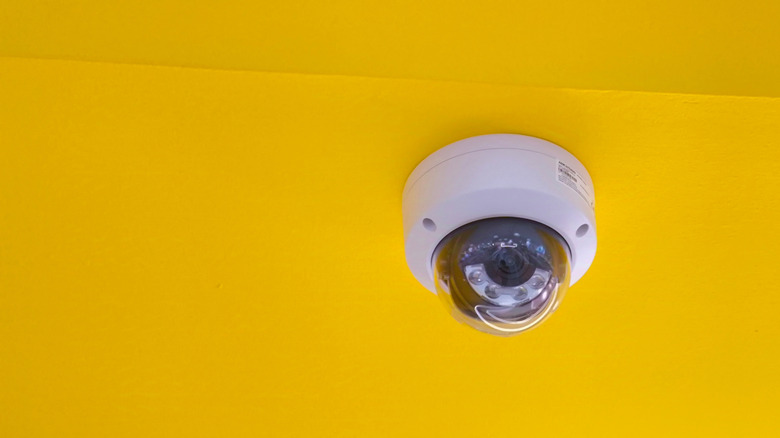
You walked into one of your favorite retail stores to purchase one or two specific products, but you ended up buying a few additional items you didn't really need, just because the store was running a promotion, or those products popped up along your usual route to the cashier or self-checkout station. It may be all a coincidence, but it may also be the result of that eye in the sky, the security cameras placed on store ceilings. It may be an AI model that determined that the path you usually take to the closest register is routinely used by most shoppers, suggesting to management that this may be the best area to display promotional items. That's how you may have ended up buying those extra products that were not on your list for that particular shopping session.
The store ceiling cameras aren't necessarily tracking you or your shopping habits without permission. That may be a breach of privacy in various jurisdictions that could trigger unwanted legal issues for a store employing such tactics. But the security cameras can do more than just record video of their surroundings for safety purposes. The visual data they collect can be analyzed by AI models trained to observe patterns in retail stores and help produce actionable plans for managers that can improve customer experience and increase revenue.
Using camera vision technologies in physical retail stores isn't just a niche idea. A Honeywell white paper said last year that 42% of retailers rely on such camera tech. The study covered 450 retail executives in five markets, including the U.S., U.K., Brazil, India, and the Middle East. Separately, a Grand View Research report showed that the global video analytics market will grow from $12.71 billion in 2024 to $37.84 billion by 2030.
What can smart security cameras do for retail stores?
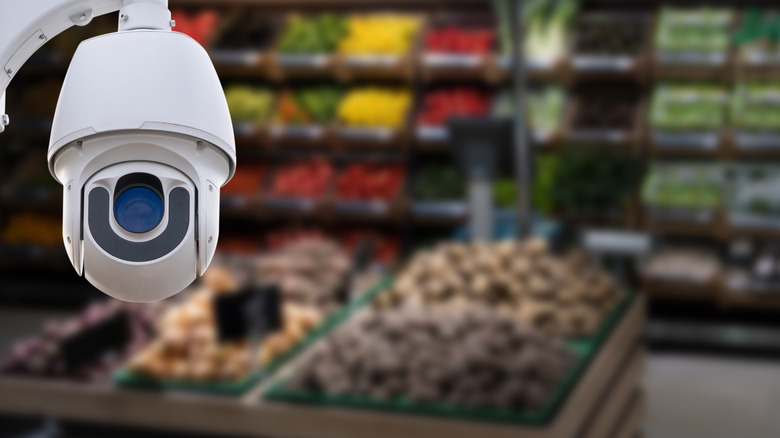
Smart security cameras that can use AI models to analyze and improve store activity are no different than ceiling cams that only record video for safety reasons. Shoppers may not be able to tell the difference between the two types of cameras, nor should they try. At a basic level, both types of cameras still perform the same action. They record video which can be used for security purposes. The AI-enhanced cameras can also connect to nearby computers that run AI models locally, or to cloud AI models that analyze the footage.
The AI systems looking at store footage can count visitors in real-time and analyze the flow of traffic. They can measure the average visit time, or the time a person inspects a specific section of the store. Aggregated information can be used to create heat maps that managers can employ to optimize store layouts and decide which store areas should feature particular promotions. The aggregated information from security camera footage can also be used for queue management purposes. Store managers can determine what the busiest times of the day and week are and adjust staff schedules accordingly to reduce wait times and improve customer support.
For example, Adidas ran experiments in Czechia and Slovakia involving video analysis to calculate store conversions. The company partnered with NetRex and Axis to install security cameras that could also count people. They combined that information with the cash till data to calculate conversion rates and determine store performance. This information can then be used to alter store layout, decide marketing campaigns, and manage shifts. Such strategies may benefit chains and franchises, as they can assess the performance of individual stores and compare what works in one market to another.
Security remains a priority
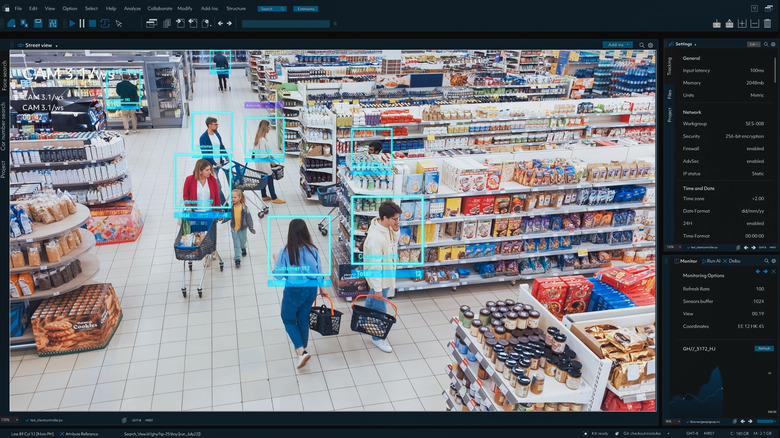
The store ceiling cameras may be used to improve revenue in the AI era, but they will continue to perform surveillance tasks. AI can expand their anti-theft powers and add real-time features. For example, cameras can be used to monitor stock in real-time and ensure that it is replenished as fast as possible. Such uses can improve the shopping experience and increase sales, as shoppers coming into a store for a specific item are more likely to find the product they want. Real-time shelf monitoring can also help managers determine demand and adapt inventory. A 2023 experiment involving retail store Nisa, which used technology from Shelfie and Axis, showed the retailer was able to keep stock at 95% by using surveillance cameras to monitor the shelves.
Software-assisted cameras can also reduce the need for retail staff watching camera feeds to prevent theft. Axis explained in 2024 that retail crime caused £1.04 billion (approximately $1.37 billion) in losses to U.K. retailers the previous year. On top of that, customer theft was responsible for £953 million ($1.25 billion) in losses. The total losses were significantly higher for U.S. retailers, at $94.5 billion. Axis explained that cameras placed at self-checkout locations can catch buyers who are not scanning products or mis-scanning items. Register cameras can also detect an open cash register when customers aren't present.
According to Avigilon, surveillance cameras that are connected to AI models can also improve security against shoplifters. The AI can observe shopper behavior in stores and learn from previous footage to detect movement patterns that thieves may use and alert security personnel in real-time. These cameras can also detect other security incidents that require immediate attention, like fires and medical emergencies.