

How Star Trek Frustrations Led To The Creation Of An All-Time Classic Sci-Fi Series
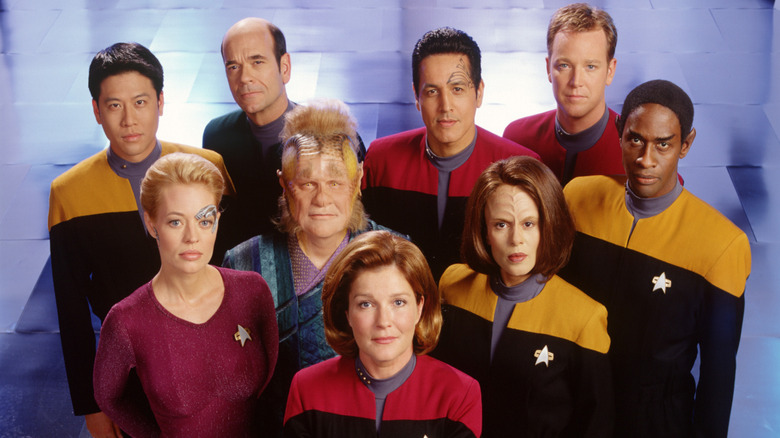
It's nothing new for creative forces behind the "Star Trek" franchise to get a little irked with the direction characters or stories were being taken. Michael Dorn, aka Worf, expressed concern over one specific episode of "Star Trek: The Next Generation," and even Leonard Nimoy was reluctant to return to the franchise for what would become a pivotal moment for his character Spock in "Star Trek II: The Wrath of Khan."
Behind the scenes, though, one respected and influential writer who worked on "Star Trek: Deep Space Nine" and "Star Trek: Voyager" eventually parted ways due to creative differences over where the show was headed. In doing so, it sparked the scribe to address the matters in his own way with 2004's "Battlestar Galactica." In January 2000, future "God of War" showrunner, Ronald D. Moore, publicly voiced his concerns about the then-popular shows, "Star Trek: Deep Space Nine" and "Star Trek: Voyager."
In the case of the latter show, which aired for seven seasons, "Voyager" followed Captain Janeway (Kate Mulgrew) and her crew, whose ship, the Voyager, had been thrown to the far end of space and was on a mission to return to the Alpha Quadrant. While it was a compelling story at the time, Moore was frustrated that the titular ship always seemed to stay in great shape, even though it was lightyears from anyone who could assist or, more importantly, keep the ship operational on its dangerous, lonely journey.
Ronald D. Moore poked holes in Star Trek: Voyager that he couldn't get over
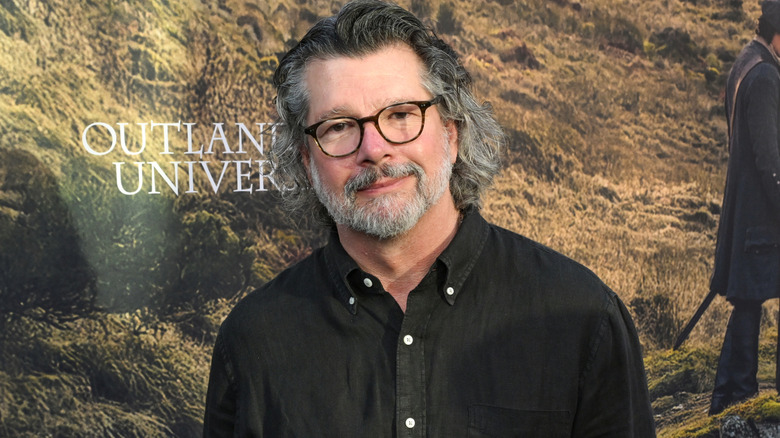
While Captain Janeway might've led a daring mission to return to Earth, Moore saw problems with it from the start, and unfortunately, couldn't get over it. Speaking to Cinescape (via Patrick DiJusto's "The Science of Battlestar Galactica") about the fourth live-action series from "Star Trek," the writer said, "In the premise, this ship was going to have problems. It wasn't going to have unlimited sources of energy. It wasn't going to have doodads of the Enterprise. It was going to be tougher with more fending for themselves and having to trade to get the supplies they want. That didn't happen. It doesn't happen at all, and it's a lie to the audience."
It was this that irked Moore, as the show seemed to be forcing the audience to accept that the Voyager could withstand these limitations. "How many times has the bridge been destroyed? How many shuttlecrafts have vanished, and another one just comes out of the oven?" Moore argued. "At some point, the audience stops taking it seriously, because they know that this is not really the way this would happen. These people wouldn't act like this."
Thankfully, he took all these gripes that seemed to be overlooked and addressed them in a show of his own when he dared to remake "Battlestar Galactica." The result was one of the most critically acclaimed science fiction shows ever made.
Battlestar Galactica was a sci-fi show with grit
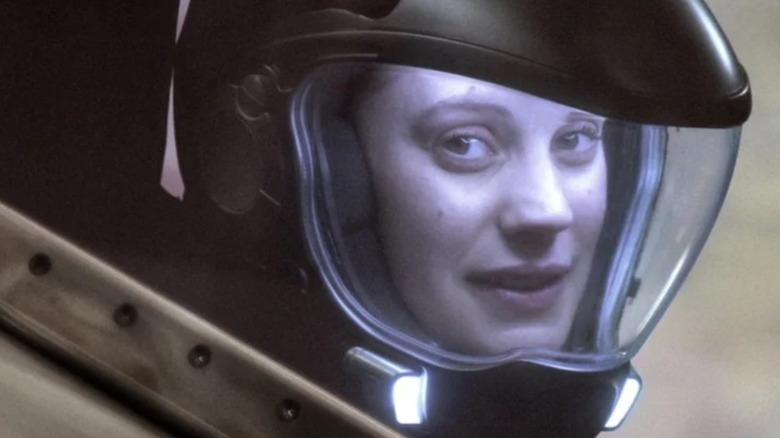
What read like a complaint from Moore became a checklist for his realistic but far-out space saga, in which the last dregs of humanity did everything they could to outrun the Cylons, highly advanced cyborgs on a mission of vengeance. Besides unfolding in a realistic, often remorseless fashion, with casualties and costs made to evade the enemy, the show's incredible hook is that there were enemy sleeper cells that looked human and were hiding in plain sight.
This new take on a forgotten series veered away from "Star Trek's" mission of seeking out new life and new civilizations and instead focused on survival from an enemy that could look like us. Debuting in 2004 in a TV movie, followed by four seasons, Moore's show has become a staple of sci-fi television and kept a consistent level of quality that even outshone some eras of "Star Trek."
It's also what led Moore to go on to handle shows like the much-loved "Outlander" as well as Apple TV's alternate history show, "For All Mankind," which has become a modern sci-fi classic of its own. Ultimately, it's Moore's perseverance in injecting a little more science into the fiction he was handling that sent his career further than he anticipated, leaving us with some exceptional television.