

Why Desktop PCs Usually Last Longer Than Laptops
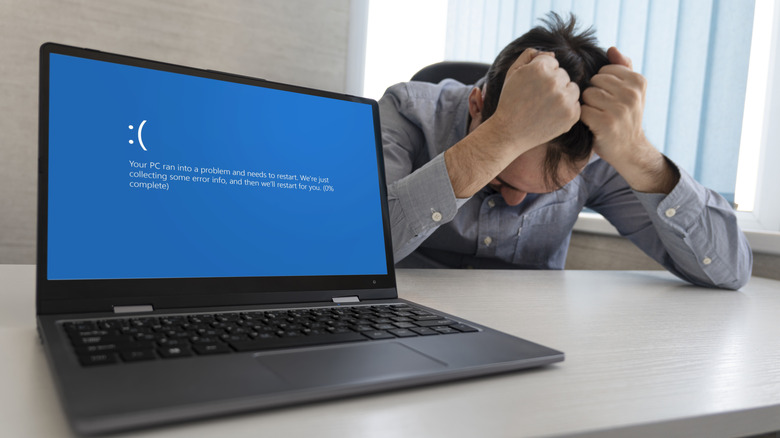
Desktop PCs have always had an edge over portable laptops. This gap in performance is now smaller than ever, with portable computers like Apple's M5 MacBook Air giving users performance simply unprecedented for small devices. One area where PCs still have an advantage is longevity, as even the most robust laptops aren't future-proof.
There are many reasons why desktops last longer than laptops, and some of them are very obvious when you think about it. First and foremost, if you spend the same amount on a PC and a laptop, the PC would usually come with higher-quality parts that can last longer. A large part of a laptop's expense is tied to its portability. This portability is another reason laptops don't last as long as PCs, too. Putting your laptop on a soft surface or moving it around too often are some habits that can damage your laptop or its battery. With a PC being completely stationary, you don't have to worry about being as careful.
There's also the matter of heat dispersion. PCs have better cooling, with most laptops making some compromise to accommodate their thin builds and smaller form factors. This is especially true when compared with a PC, in which you can add multiple cooling fans. This is one reason why you should be getting a laptop cooling pad to increase its longevity.
Repairability and upgrades for future-proofing
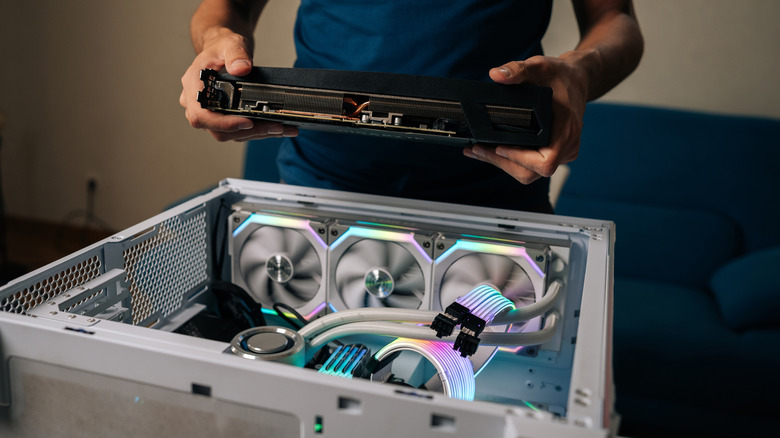
Something that doesn't last long doesn't necessarily mean it's completely stopped working. A ten-year-old laptop might work, but it'd be slower and would have a harder time keeping up with newer laptops. With a PC, if a part isn't keeping up with your needs or if a newer component comes out that you want to upgrade to, you can replace that specific component. Doing the same thing on a laptop typically isn't possible, so you'll need to get a new laptop with better specs instead.
Similarly, since each part of a computer is separate, it's easier to repair than a laptop. You can isolate components like the GPU if they're causing an issue, even without taking it to a professional. You might not be able to fix what's wrong with said part, but you can replace it and continue working with your desktop PC.
Repairing a laptop is much more difficult, and you're more likely to need professional help if you want to swap parts. Another issue is sourcing the parts, as laptops tend to be designed around a specific chassis or motherboard layout. If it's an older laptop, it might be impossible to find replacement parts, which again forces you to get an entirely new laptop.