

Is DDR4 RAM Still Worth Buying In 2026?
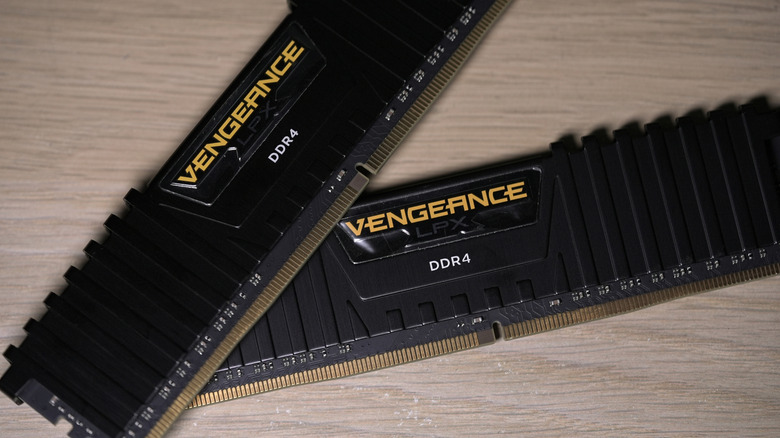
Thanks to the ongoing AI-related chip shortage, pricing for computer parts like RAM and graphics cards has risen exponentially, with the price of DDR5 RAM estimated to rise further, up to 63% according to TrendForce. If you were hoping to build a new PC anytime soon, you have a couple of options. You can purchase slightly older parts, which you may be able to get cheaper, or you can spend far more than you probably want to on the newest parts. But are older parts still worth it? And chiefly, is DDR4 RAM still worth buying? Here's what you need to know.
First, it's important to note that DDR4 is still more expensive than it should be, as all RAM has risen in price due to demand. For example, one DDR4 kit of 32GB of RAM on Amazon used to cost around $170 back in January 2026. However, due to increasing demand led by AI development and data centers, the price of that same set of RAM has jumped as high as $260 before leveling out at $220.
By comparison, a 32GB set of DDR5 RAM has been over $360 since January, with prices as high as $439.99. While the price does appear to have leveled out some, as the market price has fallen slightly, it's unclear if demand for DDR5 will drop significantly enough to matter. And this doesn't even take into account the rising price of SSDs, either.
DDR4's lack of future-proofing
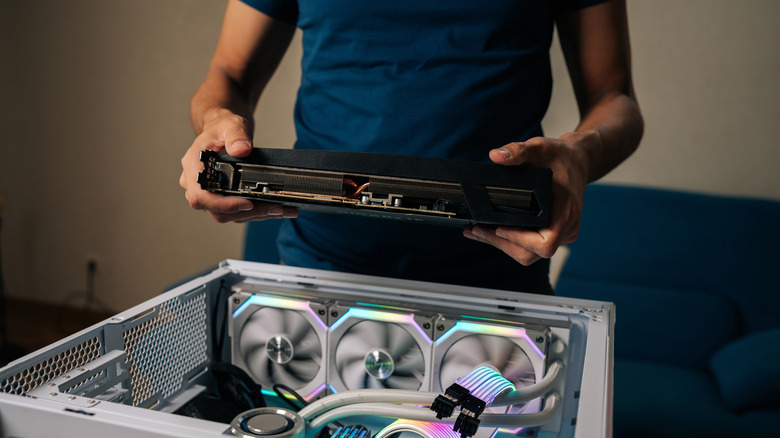
The biggest problem that you'll run into with purchasing DDR4 is going to be future-proofing. Because computers often cost over $1,000 to build, the idea of being able to spend more now for a system that will last longer has often been a big concept in the PC building community. However, not everyone is convinced about how useful future-proofing is, so the importance of this factor might vary from person to person.
Still, it's important for you to understand that buying older products such as DDR4, while cost effective, can potentially lock you out of being able to upgrade your PC's parts later on. This is especially true with DDR4, because AMD and Intel no longer support DDR4 memory on their latest CPUs and motherboards.
AMD stopped supporting it with the end of its AM4 socket, while Intel's last CPUs to support DDR4 are its 14th generation i3, i5, i7, and i9 variants. Intel also supports DDR5 on those 14th generation CPUs, as well as on its 12th and 13th generations, so you do have a bit of room to work there if you're looking to save money on your CPU for the build. This also gives you a little room to upgrade to DDR5 later on, should the prices drop enough to be worthwhile.
DDR4 can be a great budget option
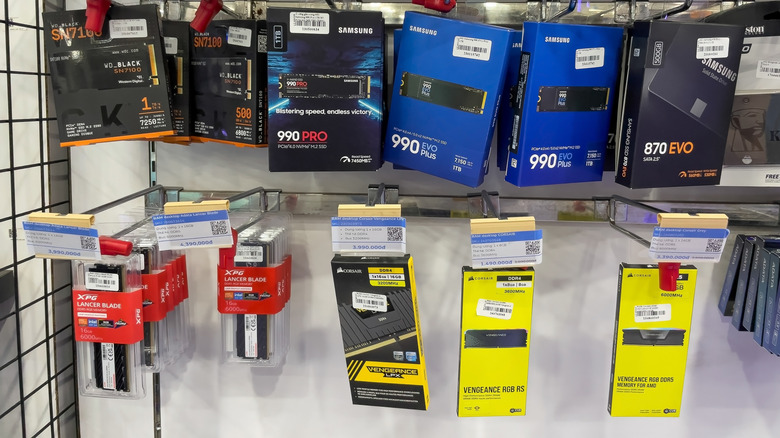
Ultimately, DDR4 can be a great option for those that want to build a new PC right now without breaking the bank. However, you need to keep the aforementioned limitations in mind, and just be aware of what hardware you're buying and how long it'll support your PC usage into the future.
Unfortunately, until the ongoing AI chip shortage shows significant decline in demand, there's no guarantee prices will drop. And even if we do see RAM prices drop, there's no guarantee that will drastically change the pricing of other hardware that you need to build a PC.
That's why, if you can, it might be better to just upgrade specific components on your existing PC. However, you'll definitely want to take a look at the age of the hardware, and make sure everything you plan to purchase is compatible with the existing components you already own. It might also be worth looking at pre-built options, as companies like Costco often offer deals that are worth picking up, and we've already seen Costco's pre-built PCs beating DIY prices for a few months now.