

Smart Locks Might Not Be Right For You - Here's Why
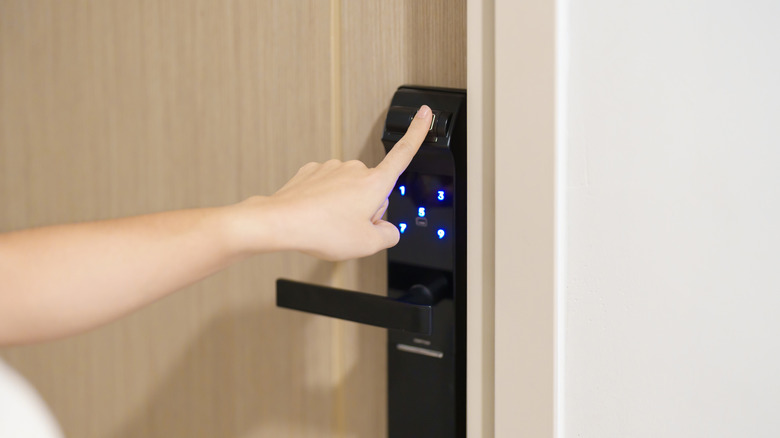
Smart locks look really great on paper. They can make getting into your home much easier by removing the need to carry around so many physical keys. Instead, your phone, a passcode, or even your fingerprint becomes the key. While that all might sound appealing out of the box, there are a few different factors you'll want to take into account before determining if smart locks are a good fit to replace your old manual locks.
First, there's the general physical safety factor to consider. Not only are smart locks connected to the internet, but they may also be made up of less secure components than physical locks, depending on the manufacturer. For example, some smart locks might have easily accessible mechanisms that completely disregard any of the safety parameters they have built into them, such as keypads or fingerprint scanners. These points allow bad actors to bypass the additional safety and convenience features, then unlock the lock through more conventional and physical means. Choosing good smart home security devices can be tricky, especially with so many different brands out there. Which is why picking the right great smart lock brand is essential to determining whether or not a system like this fits your needs.
A privacy nightmare if you aren't careful
Another of the biggest factors to take into account before swapping to smart locks is the privacy of it all. These devices often come with 128-bit encryption, which can help mitigate potential data leaks and issues with hackers. However, you'll usually need some kind of username and password combination to set up the smart lock by logging into the app provided by the lock's manufacturer. This means that access to the online portion of your smart lock really relies heavily on the strength of your password. So make sure to follow recommended password strategies to make a strong one.
You also need to worry about what's called man-in-the-middle attacks, which are basically data interceptions that allow bad actors to scoop up data that has been transmitted between your phone and your lock. As such, you'll want to make sure you follow some of the best smart home networking security tips to keep your data transmissions as secure as possible.
Not providing your smart lock with proper online protection can be disastrous, but choosing a good foundation is just as important. That's because if you aren't careful, you might end up with a smart lock system that is easily hackable. Which makes it paramount to your home's safety that you check into the brand you plan to get, so you avoid issues like poorly secured web UI interfaces, which can give cybercriminals easy access to your lock. That's especially true if it's a lock with video, as this could even allow the malicious users to see everything that happens on your lock's camera.
Technical limitations require oversight
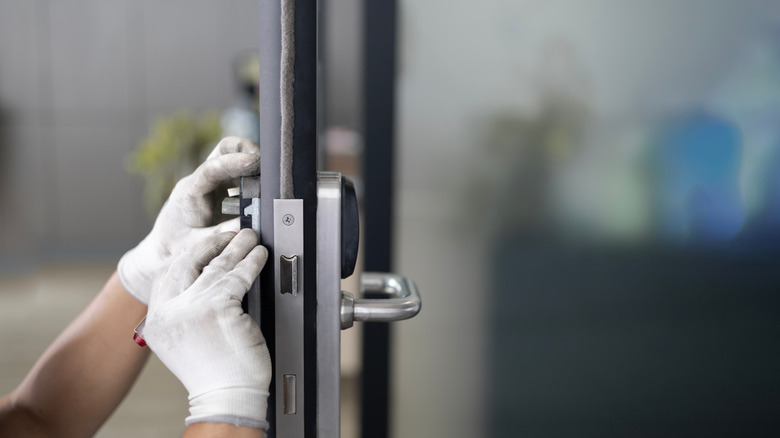
The other thing to take into account when it comes to the security of smart locks is their technical limitations. The biggest of these is the fact that they require power. That means you'll either need to have the lock installed professionally if it offers a wired power option, or you'll need to stay on top of keeping the batteries charged (or replaced) to ensure you don't run out of juice and end up locked out. There are also other power options for smart locks, but the reliability can differ drastically depending on the type. Luckily, there are some warning signs that your smart lock batteries might be going dead — warning chimes, blinking lights, etc — though they can vary by model and brand. You also always have the option of going with a brand that comes with manual key access, too, which can be handy for those times when the power goes out. However, it also introduces another point of failure in your security, as you now have to keep up with a spare key, too.
Active updates are another important factor, as a smart lock that never receives the latest firmware also won't receive necessary security patches. We've already seen this happen with at least one lock, which wasn't designed to receive over-the-air updates, basically allowing anyone to take advantage of an exploit found in that system until the lock is physically replaced. An issue you definitely want to avoid. That upshot is that smart locks require maintenance and attention, even after you install them. If keeping up with any of the items we've listed above sounds tedious or like too much work, then a smart lock might not be the right move for you.