

4 Features To Look For In Your Next Phone Case
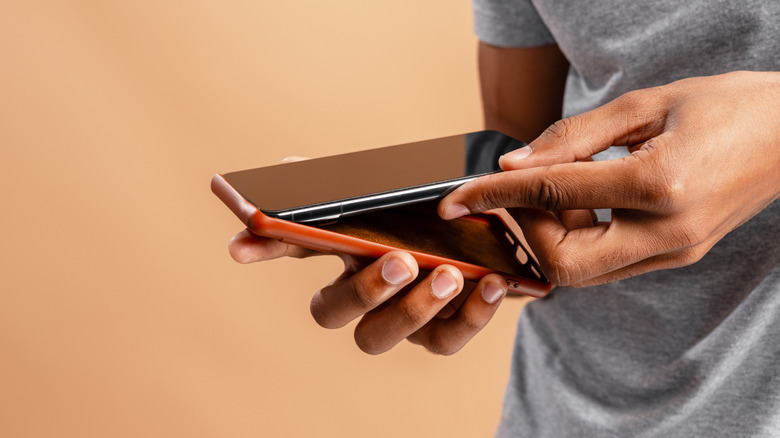
It would be nice if there were endless color choices for our smartphones, but at least cases let us break free from the boring, monotone pastels most manufacturers force on us. But not all phone cases are the same, and there are a few features you should look for when purchasing one. From ensuring a proper fit and finish to shopping around for a reliable warranty, all without overcomplicating things or overspending, these are the features that matter most when purchasing worthwhile cellular phone cases.
Beyond obvious considerations like aesthetics or whether a phone case supports MagSafe charging, we wanted to look at what really makes one option different from the next. Ultimately, protection is the whole point, and in this regard, reliability is much more important than a flashy design, which is where many cases fall short. A fun theme may look great, but will a smart-looking case hold up to repeated use over time, and will it protect during an inevitable accident? That's not to say design is unimportant — it definitely matters for features like raised edges, durable buttons, and robust USB port openings that can withstand repeated plugging and unplugging.
If you've been seeing signs that it's time for a new phone, you should already be in the market for a case to pair with it. Instead of opting for whatever your local carrier offers, use the tips in this roundup to find a smartphone case that will cover your new expensive purchase without worry.
Function over style
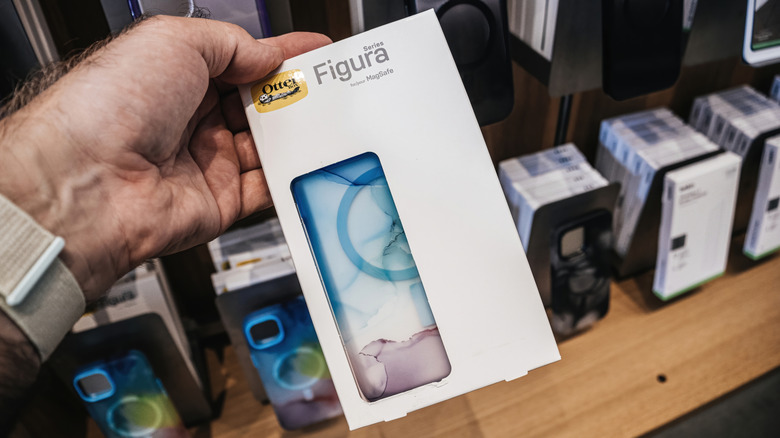
Above all else, the first feature to look for in a phone case should be protection. Since not all cases are made equally, it's up to you to find one that protects your phone best. User reviews and testimonials across social media can help identify cases with stronger protection features, but it's also a good idea to look for brands with reliable track records in this regard.
There are two main ways a case can protect a phone. The first is shock protection, which will come in handy if you drop the device. For this, many users swear by silicone and TPU cases. No, a silicone case isn't the height of fashion, but it will protect a phone better than one made of cheap plastic. It doesn't offer a premium feel, either, but many cases come with silicone or TPU interiors and a more premium exterior, combining both form and function. Some will use a hard plastic shell over a softer silicone lining, while others use TPU with a premium inlay like wood or leather, though you would lose some protection with the latter. As an example of a stronger option, brands like OtterBox and Spigen are known for their soft interiors paired with hard shells.
Secondly, the design of a phone case is important for protection. Cases with a raised edge around the front let you place your phone screen down without worrying about scratches. Similarly, a raised edge for the camera bump is important. Material also matters, especially if you plan to venture outside of typical plastics. Premium leather can peel away from an interior case, so if you're going for an inlay option, wood might be the better choice. In general, the fewer materials in a case, the better.
The longer the warranty, the better
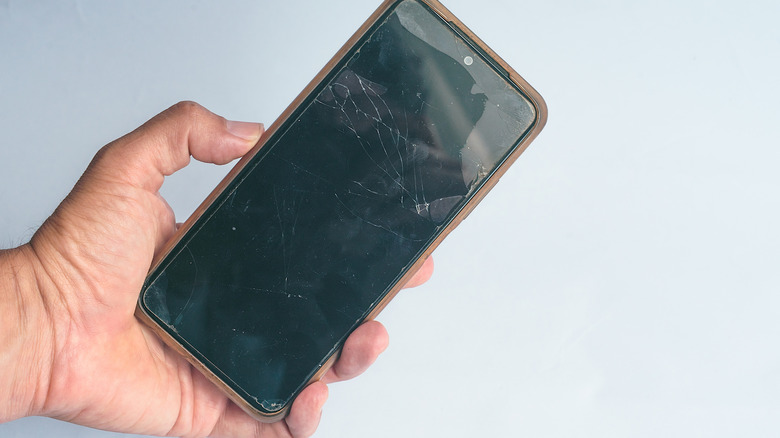
There are a lot of cell phone cases on the market, and not every company offers a notable warranty. The cheapest options don't usually come with one, and the step above typically gets you a limited one-year warranty. But there are phone cases that come with lifetime warranties, which might be worth seeking out. While these are often attached to the more expensive case purchases out there, like OtterBox, even companies like Mous offer lifetime warranties on cases in the $20 range.
A case with a lifetime warranty can protect not only your phone, but also your future self from having to spend more on replacing your case if it is faulty or otherwise fails. Smartish, Speck, and Case-Mate are a few other brands worth looking at when seeking out a lifetime warranty.
The thing to keep in mind with many lifetime warranties is that they don't really cover wear and tear, like fading colors, scratches, peeling, or anything else that can be attributed to the daily use of a phone. So a lifetime warranty is not a cure-all, and if your phone breaks in such a case, the case manufacturer won't replace the phone — only the case in question, and even then, typically only if it's failing. So you still need to choose wisely, prioritizing function over style, but a lifetime warranty can protect your purchase far more than a limited or nonexistent one.
Tactility is key
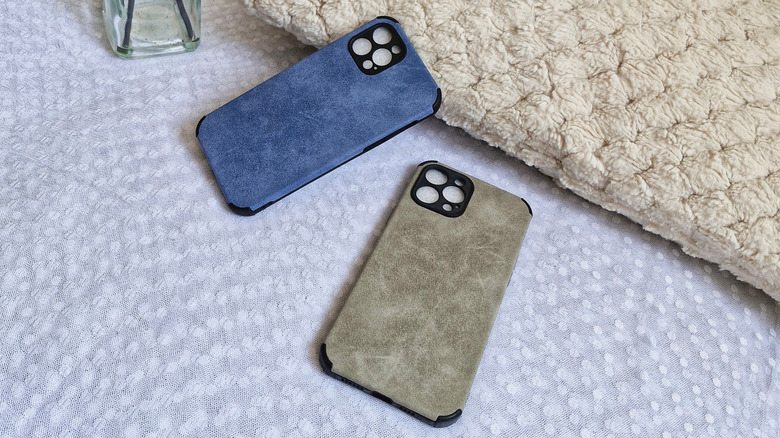
A shiny smartphone case may look cool from a distance, but a slick case that shows endless fingerprints isn't a good choice for protection. Making your phone more slippery is a bad idea, and that's why textured cases are recommended — something you can comfortably grip and hold onto for extended sessions. Leather, for example, tends to lean towards the high end on price and is less durable for protection, but on the upside, it offers a soft-touch feel and a textured surface, making it comfy to hold and harder to accidentally drop. For other finishes, a matte surface can be less of a fingerprint magnet while also offering a texture you can grip.
Another excellent tactile material is woven fabric, which not only offers a pleasing look, but also a comfy texture that's easy to grip. Much like leather, this material is usually glued to a form-fitting plastic case, but unlike genuine leather or suede, fabric cases tend to be pretty affordable, covering the low end of the spectrum. There are also faux leather cases that are pretty affordable. In other words, the case market is very hip to textured finishes, with options ranging from wood to faux grass. No matter your material preference, there's likely a textured case that'll strike your fancy while helping to avoid accidental slips.
Keep it simple
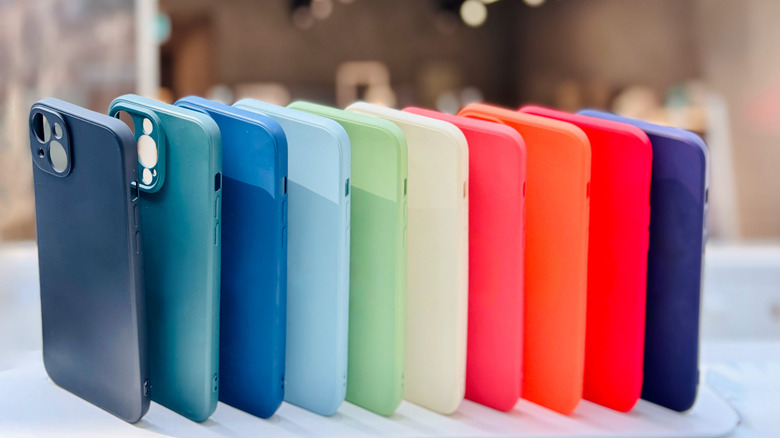
Not every bell and whistle is worth your money. Rather than getting suckered by a bunch of marketing, keep things simple by looking for a purpose-built case that is good at its one job: protecting your phone. Simple silicone cases may not sound flashy, but they protect well while keeping things affordable. If your budget is higher, you should still try to avoid getting caught up in extra features when looking for protection. Some of the higher-end "armor" cases use multiple parts, which introduce extra failure points, not to mention adding bulk to the phone and cost to the purchase.
Take, for example, Spigen's Tough Armor or UAG's Monarch Pro Kevlar. Sure, they look pretty hearty, but neither is cheap and both are bulky, adding extra features that have little to do with protection, like MagSafe support and a kickstand. At this point, you're not necessarily paying for better protection — you're paying for extra, possibly unneeded, features. Meanwhile, cheaper cases can protect just as well, but without the extra bells and whistles that raise costs.
A dual-case design can also add extra complications to applying and removing the case, which might not be ideal for everyday usage. Unless you're a construction worker or someone with a tough, demanding physical job that requires your phone to be with you at all times, a more practical option would be a simple tactile case that offers a lifetime warranty, like the Smartish Gripmunk or the Speck Presidio2 Pro.