

3 Sound Upgrades That Are A Waste Of Money, According To Audiophiles
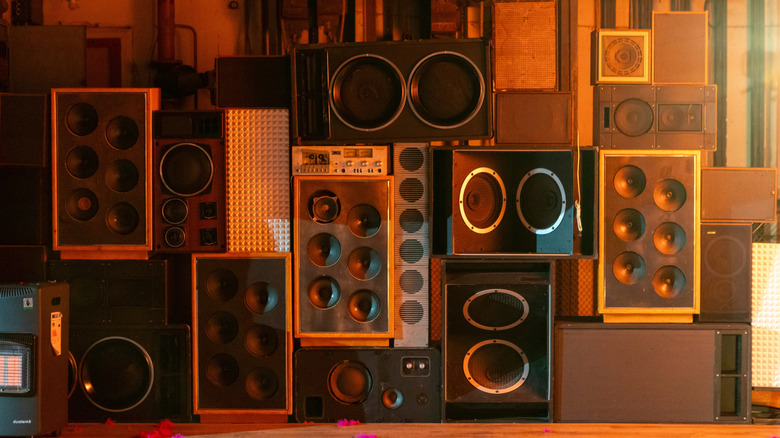
Optimizing your home or vehicle sound system typically requires at least some degree of financial investment. Although there are some surprisingly affordable ways to indulge your inner audiophile, you're still likely to spend money when purchasing new audio equipment. However, that doesn't mean that every single potential upgrade you could make is worth your hard-earned dollars. There are a few sound system upgrades that audiophiles may generally warn against wasting your money on.
Conducting basic research is always important when making these types of purchases. If your goal is to put together a sound system that has a genuine, positive impact on the way you experience music, movies, and games, you want to spend money on items you're confident will help you achieve that goal. It's important to consider when you might spend money on something you don't really need. Audiophiles particularly highlight these examples of common financial errors consumers can make when choosing new equipment.
You probably don't need the expensive wires and cables
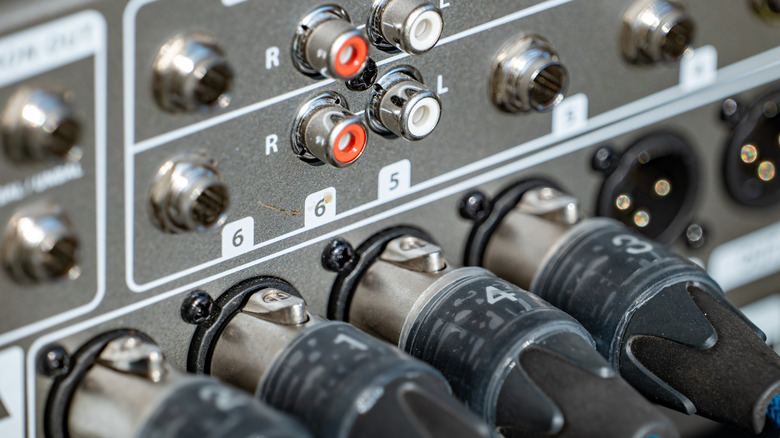
High-end audio wires and cables may represent the most common unnecessary purchases for budding audiophiles, as the very notion that they deliver superior performance is essentially a myth. Multiple informal experiments suggest that listeners often can't tell the difference between premium cables and various other means of transmitting sound.
In one notable example, the team at SoundGuys performed a test in which participants listened to audio samples recorded via premium cables. Then they had them listen to the same samples, but recorded with makeshift cables made from coat hangers. Of the 300 participants, nearly half reported that the samples sounded essentially the same. The remaining participants were split between those who preferred the audio played back through high-end cables and those who preferred it through makeshift cables. A similar experiment at DIY Audio indicated that listeners often can't tell the difference when audio is run through copper wire, a banana, or mud.
You don't necessarily need new gear
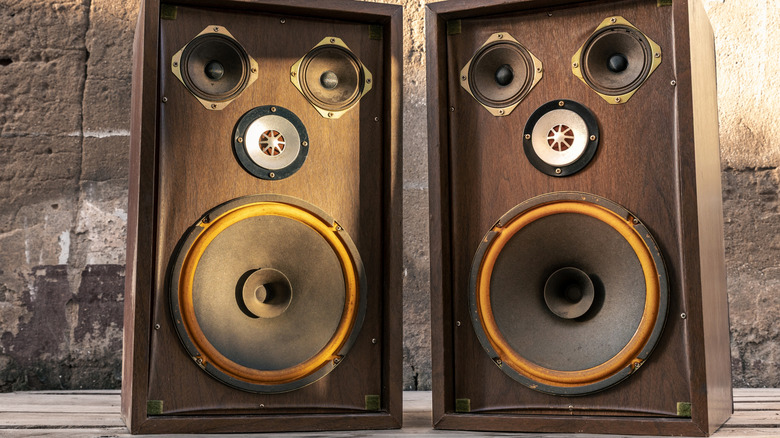
If you're a genuine audiophile (or just aspire to be one), there will certainly be a time when it's worth spending your cash on new equipment. As with any technology, new innovations can yield real improvements to audio gear and significantly impact the listening experience. However, purchasing new gear isn't always the only option to consider.
For example, perhaps you're in the market for a set of bookshelf speakers. You may be able to find a quality set at a thrift store. In addition, users on Reddit's /r/audiophile community often discuss the merits of buying used equipment. They explain that, as long as you can test the equipment in person before making a purchase, you may find that quality speakers are quite "resilient" and don't typically present any issues just because they're used. On some threads, audiophile Redditors even claim that they prefer used gear.
As YouTuber CheapAudioMan points out, sometimes, the urge to purchase new gear as an audiophile is simply a natural impulse for anyone with a hobby. The point is, just because you can spend money on new gear doesn't mean it's always worthwhile. Research brands and manufacturers known for offering robust equipment that lasts a long time, and see if you can save some money on audio gear by thrifting instead of buying new.
Large speakers can be a waste of money if you don't have a large room for them
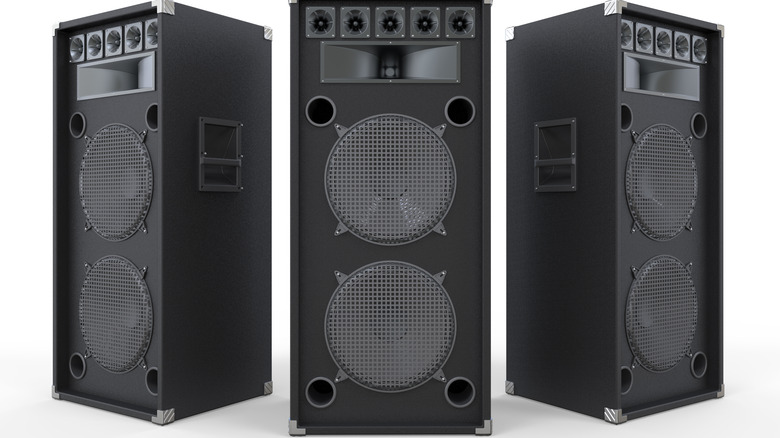
Testing out a set of speakers at a store isn't exactly the same as listening to them in your home. When buying audio equipment, always remember that the listening environment can play a major role in the overall sound quality you get from your gear. Yes, as you might assume, a set of small speakers will likely fail to deliver on its full potential in a large space.
However, the opposite is also true. Although large, high-quality speakers can impress in large, spacious environments, they can fail to deliver on their potential in smaller rooms. As a user on /r/audiophile explains, speakers can be thought of as monitors or TV screens. You need to be a certain distance from the screen so that all the individual pixels appear to be a single image. Similarly, you need to be a certain distance from large speakers for the sound waves to appear as though they're all coming from the same point rather than from separate drivers.
That's not to mention that large audio equipment can take up a lot of space in small settings. Before spending money on large speakers, ask yourself if there's enough space where you plan to install them to justify the purchase. A trustworthy seller may be better able to help you find the right speakers for your needs if you provide them with details about the room where you'll be installing them.
Factors to consider when upgrading your audio system

While this guide will hopefully help you avoid wasting money on unnecessary audio system upgrades, what's most critical is that you do your own research. It's also vital to account for factors you might not immediately consider when buying audio gear. For example, a piece of equipment that seems expensive up front may be worth the investment if it's built to last decades.
Audiophile YouTuber Matt Coykendall makes a point to keep in mind when upgrading your audio system: What sounds good to you is entirely subjective. Do your research to be confident you're buying quality products and not getting ripped off, but also, trust your ears. A guide like this can help you avoid impulse buys that only drain your bank account while making little difference to your audio setup, but what matters most is that your equipment sounds good to you.